Andy Warhol Polaroids, 1971-1986
Softcover | 22.86 x 1.27 x 27.94 cm | 112 pp
Pace Gallery | 1992 | 9781879532038
Rare & Collectible
Condition: new copies with some discolouration to the pages - very good condition considering the age.
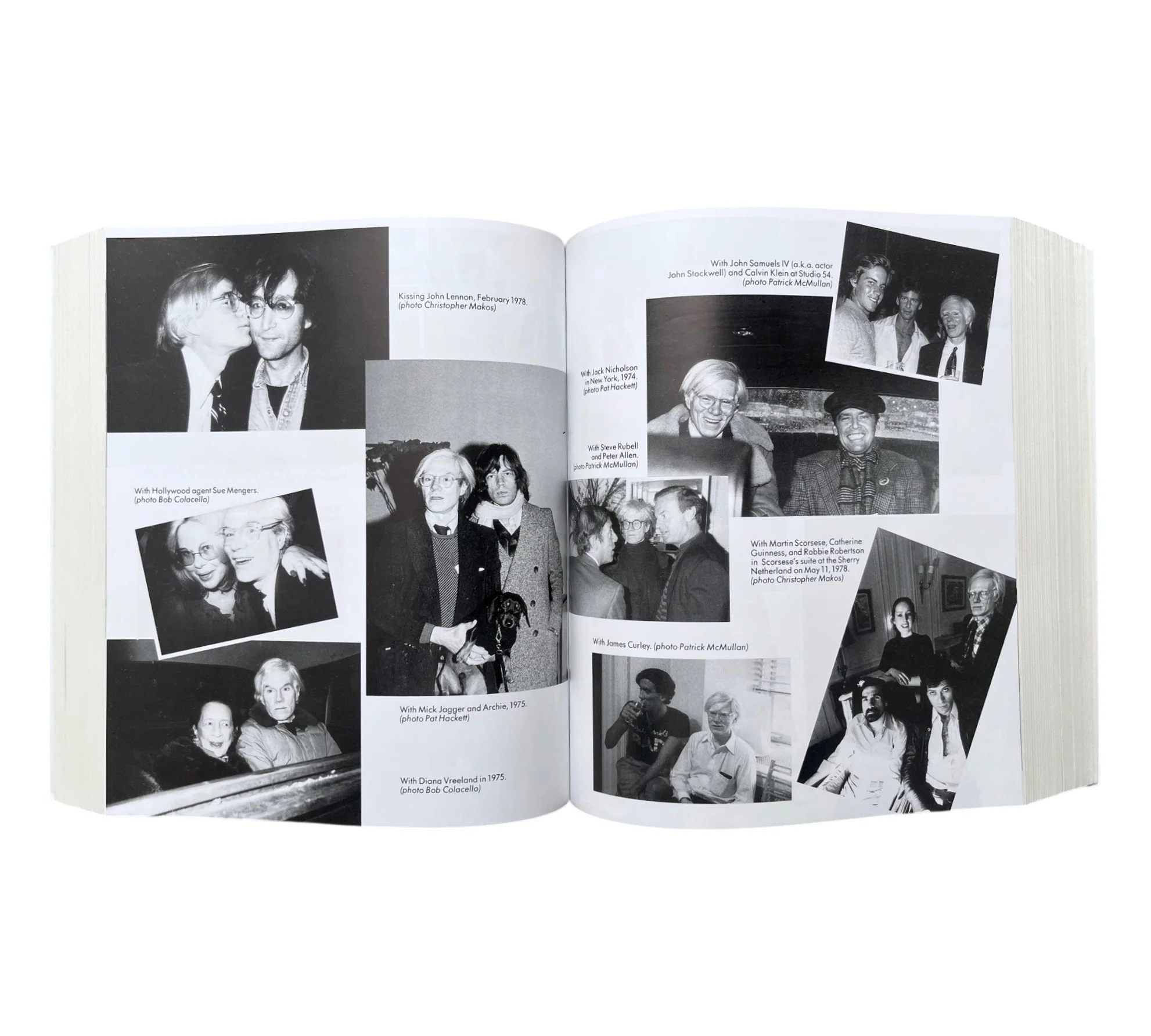
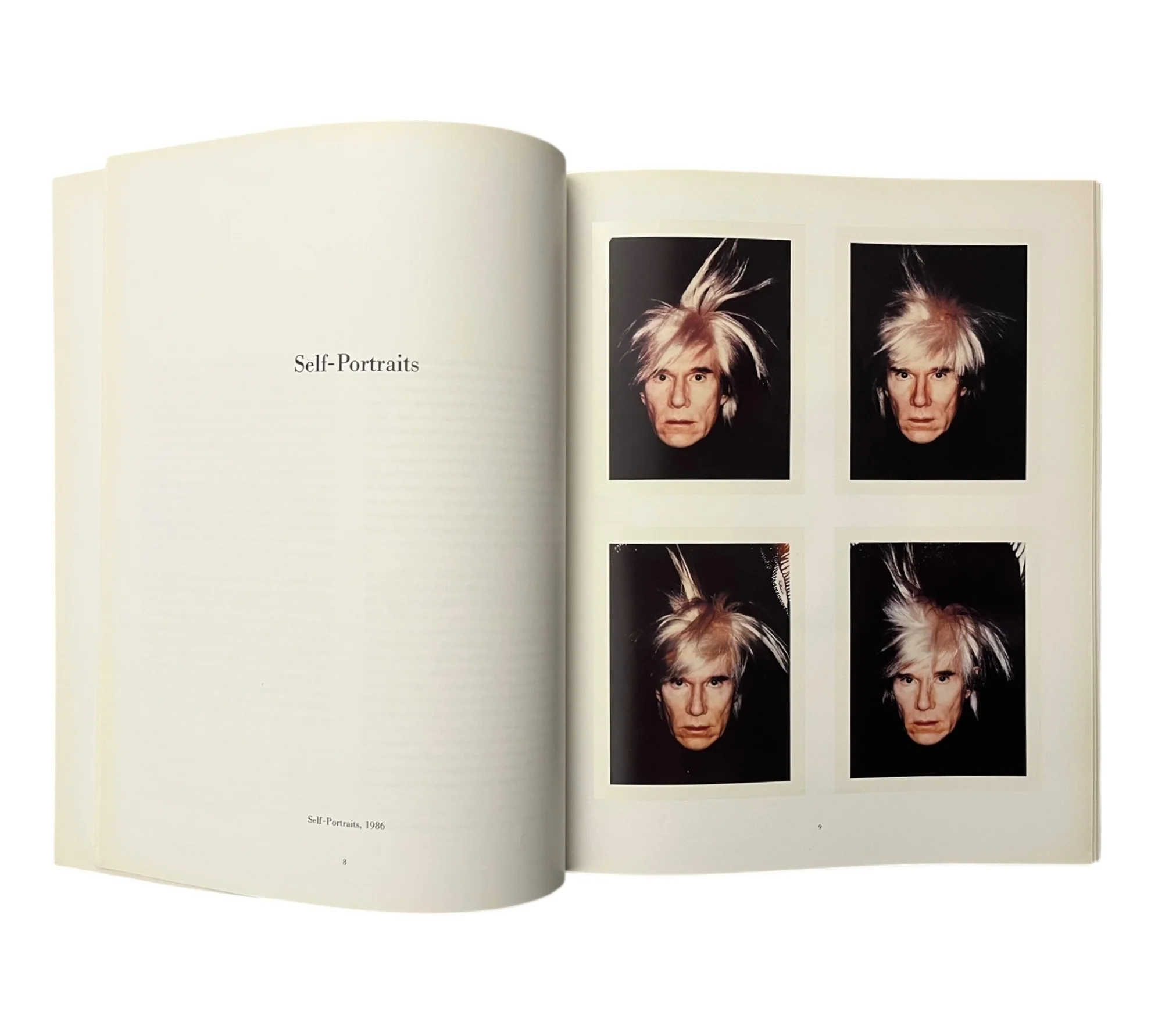
This book presents a selection of Andy Warhol's Polaroid pictures. From self-portraits to still lives, from anonymous nudes to New York high society, these polaroids offer a unique record of the artist's world - a time-journey back to New York in the 1970s and 80s.
From the early 1970s until his death in 1987 the instant camera became Warhol’s main instrument: The Big Shot camera, acquired by the artist in 1971, was a simple tool with an integrated flash, an impeccable viewfinder-mechanism and a standard brightness controller. The fixed focal distance of one meter was ideal for the egalitarian mise-en-scène of the physiognomy of faces.
Warhol’s polaroids document the surface of an emotionless reality: No pathos, no psychopathology, no particular individuation. All of these pictures follow the artist’s notion of a time, where in Warhol's words "everybody looks alike and acts alike, and we’re getting more and more that way".
Original: $74.44
-65%$74.44
$26.05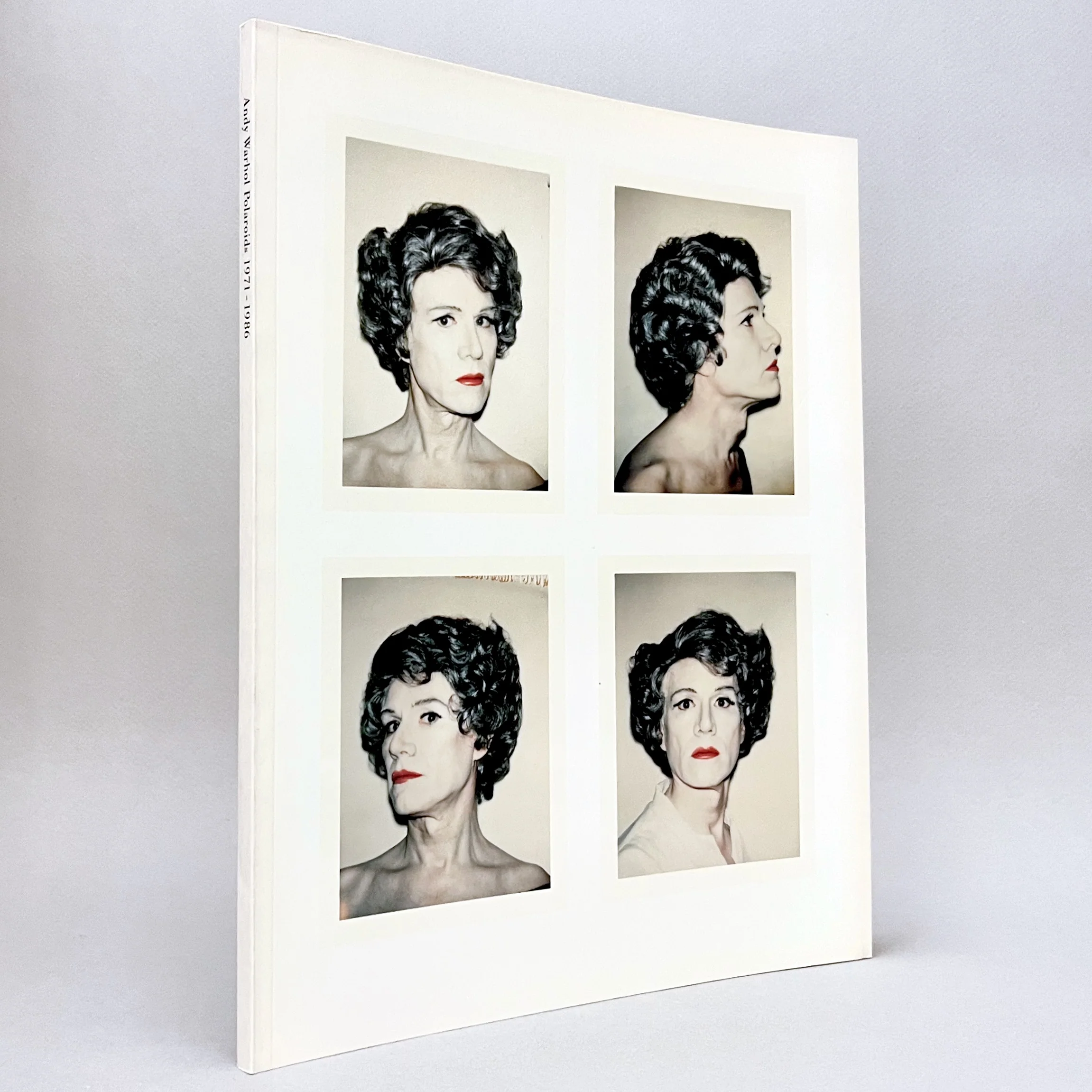


Description
Softcover | 22.86 x 1.27 x 27.94 cm | 112 pp
Pace Gallery | 1992 | 9781879532038
Rare & Collectible
Condition: new copies with some discolouration to the pages - very good condition considering the age.
This book presents a selection of Andy Warhol's Polaroid pictures. From self-portraits to still lives, from anonymous nudes to New York high society, these polaroids offer a unique record of the artist's world - a time-journey back to New York in the 1970s and 80s.
From the early 1970s until his death in 1987 the instant camera became Warhol’s main instrument: The Big Shot camera, acquired by the artist in 1971, was a simple tool with an integrated flash, an impeccable viewfinder-mechanism and a standard brightness controller. The fixed focal distance of one meter was ideal for the egalitarian mise-en-scène of the physiognomy of faces.
Warhol’s polaroids document the surface of an emotionless reality: No pathos, no psychopathology, no particular individuation. All of these pictures follow the artist’s notion of a time, where in Warhol's words "everybody looks alike and acts alike, and we’re getting more and more that way".