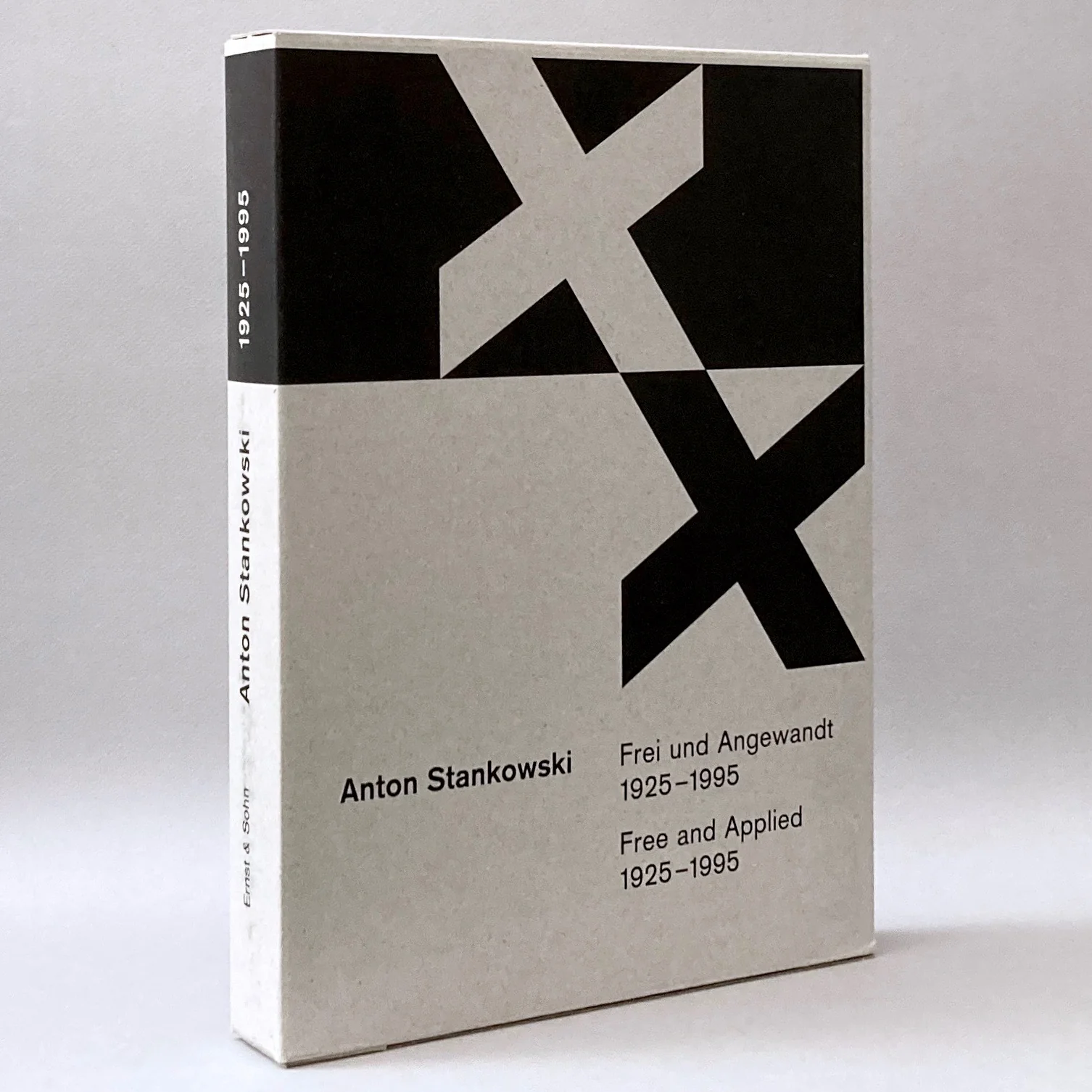
Anton Stankowski: Free and Applied 1925-1995 (Rare edition)
Stefan von Wiese, Max Bense, Karl Duschek, Eugen Gomringer et al.
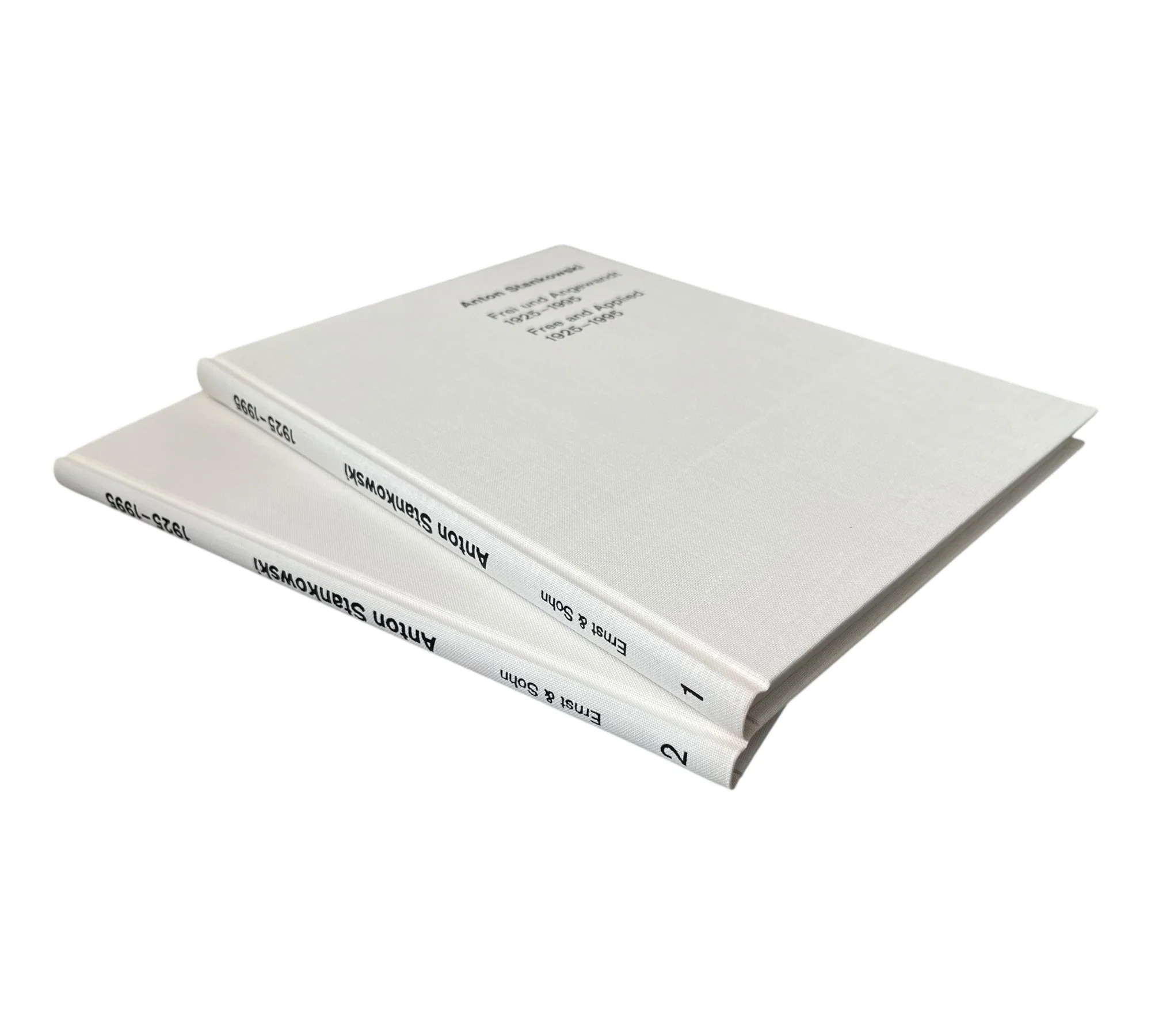
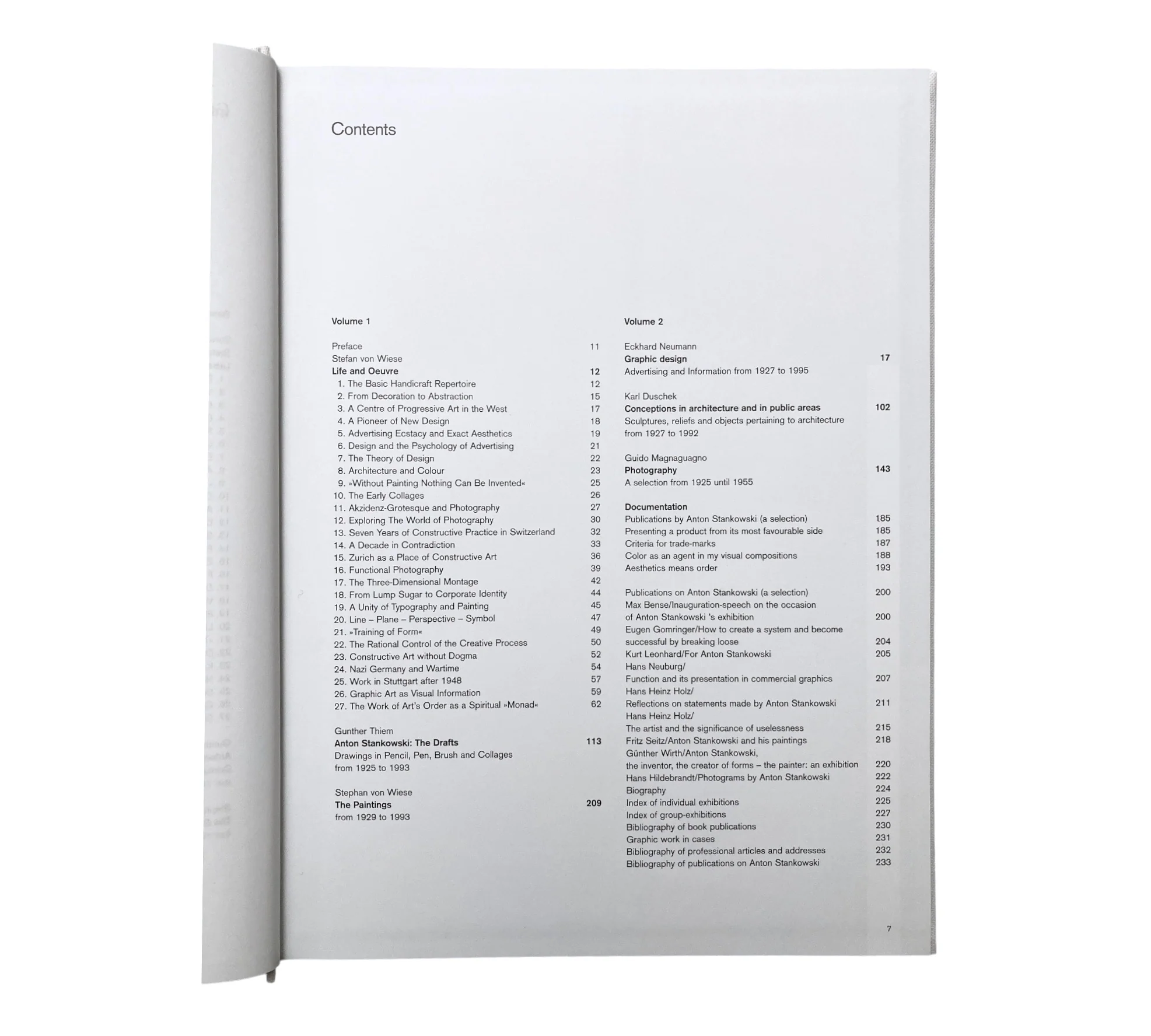
Hardcover | 25.5 x 34.5 cm | 519 pp
Ernst & Sohn | 1996 | 9783433023709
Text in English and German
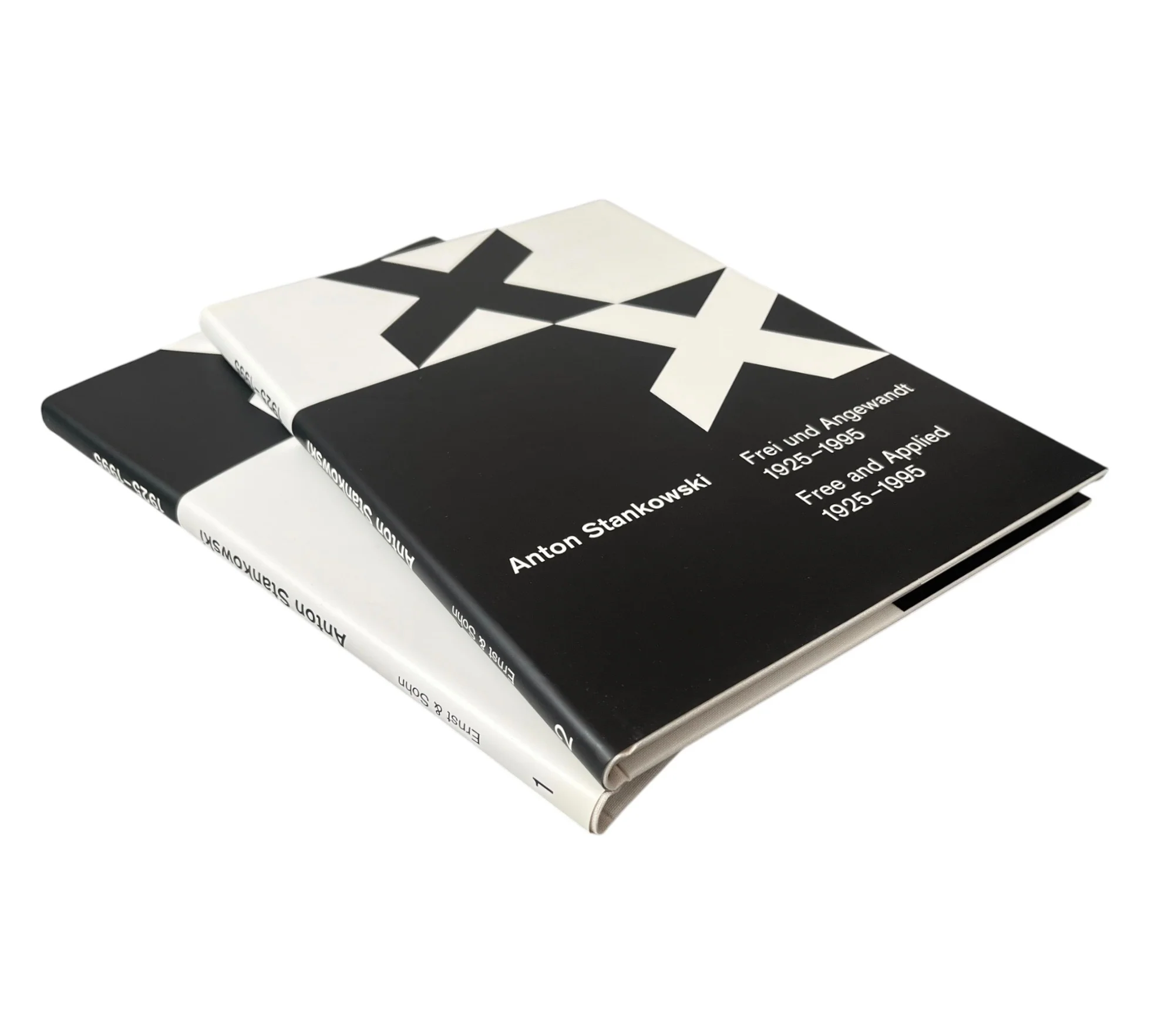
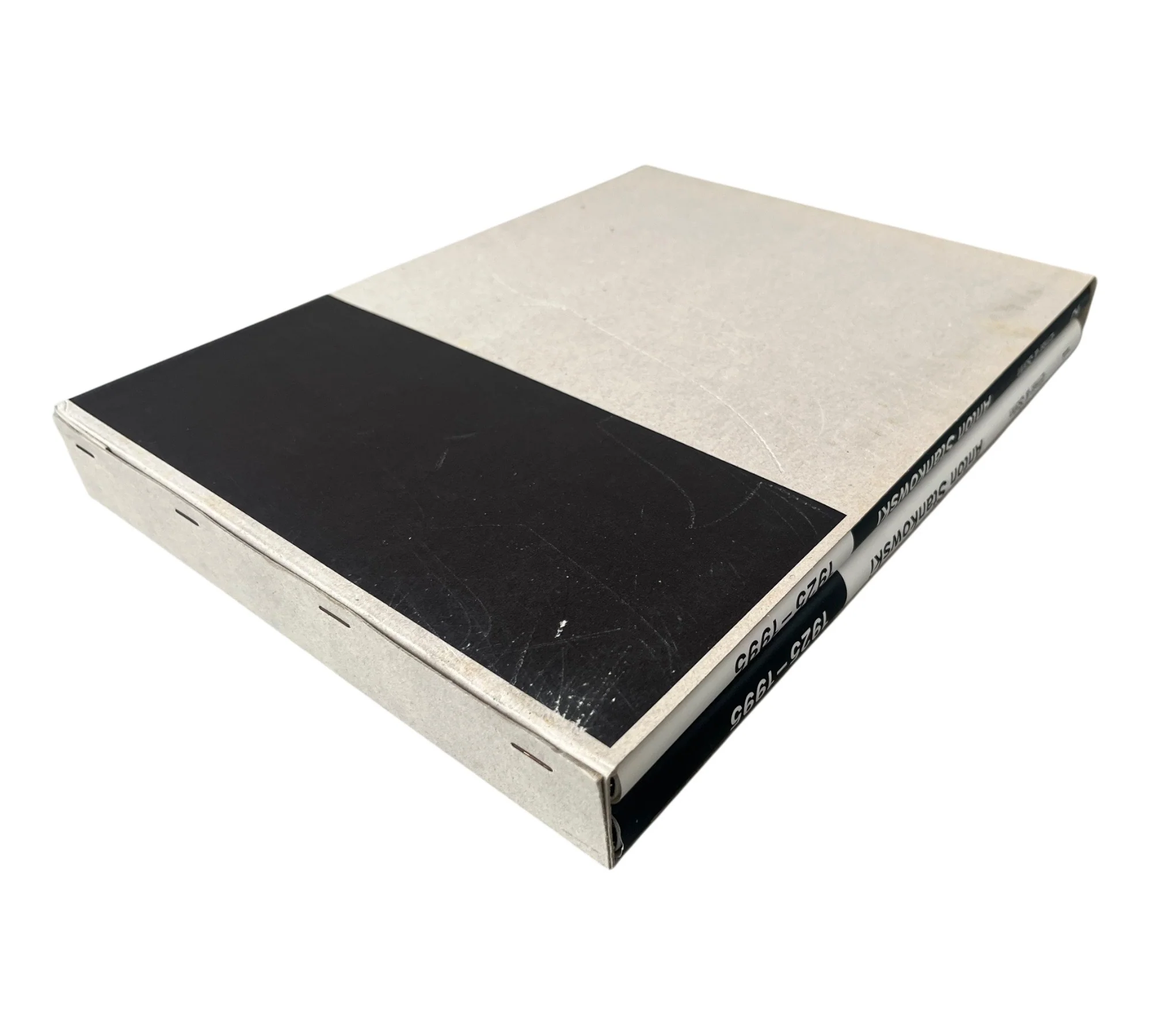
Two clothbound volumes with dust jackets in printed greyboard slipcase
Rare & Collectable
PLEASE NOTE: The slipcases have some very minor marks or scratches - see final image for example.
This beautifully produced monograph on the German painter, photographer and graphic designer Anton Stankowski (1906-1998).
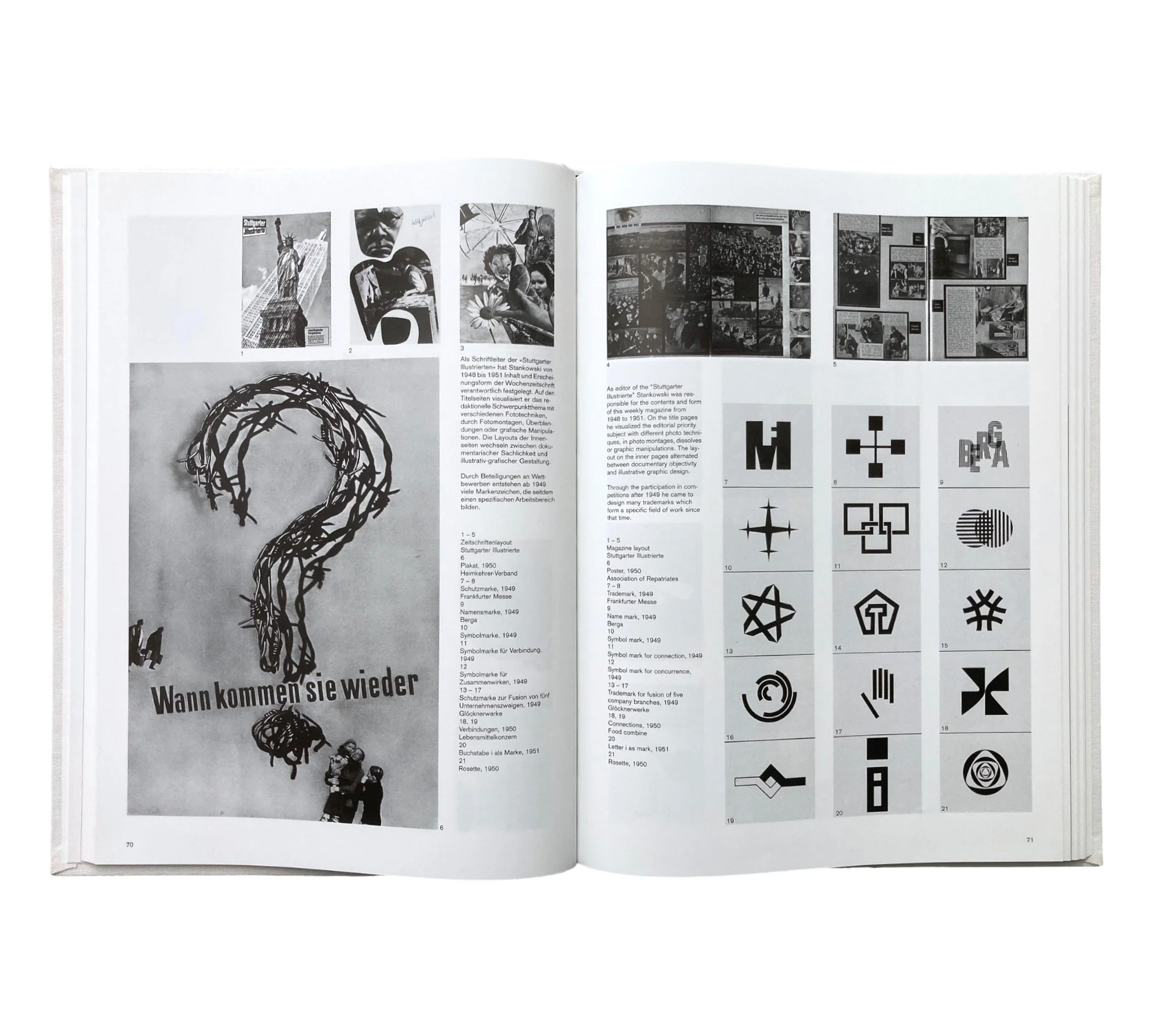
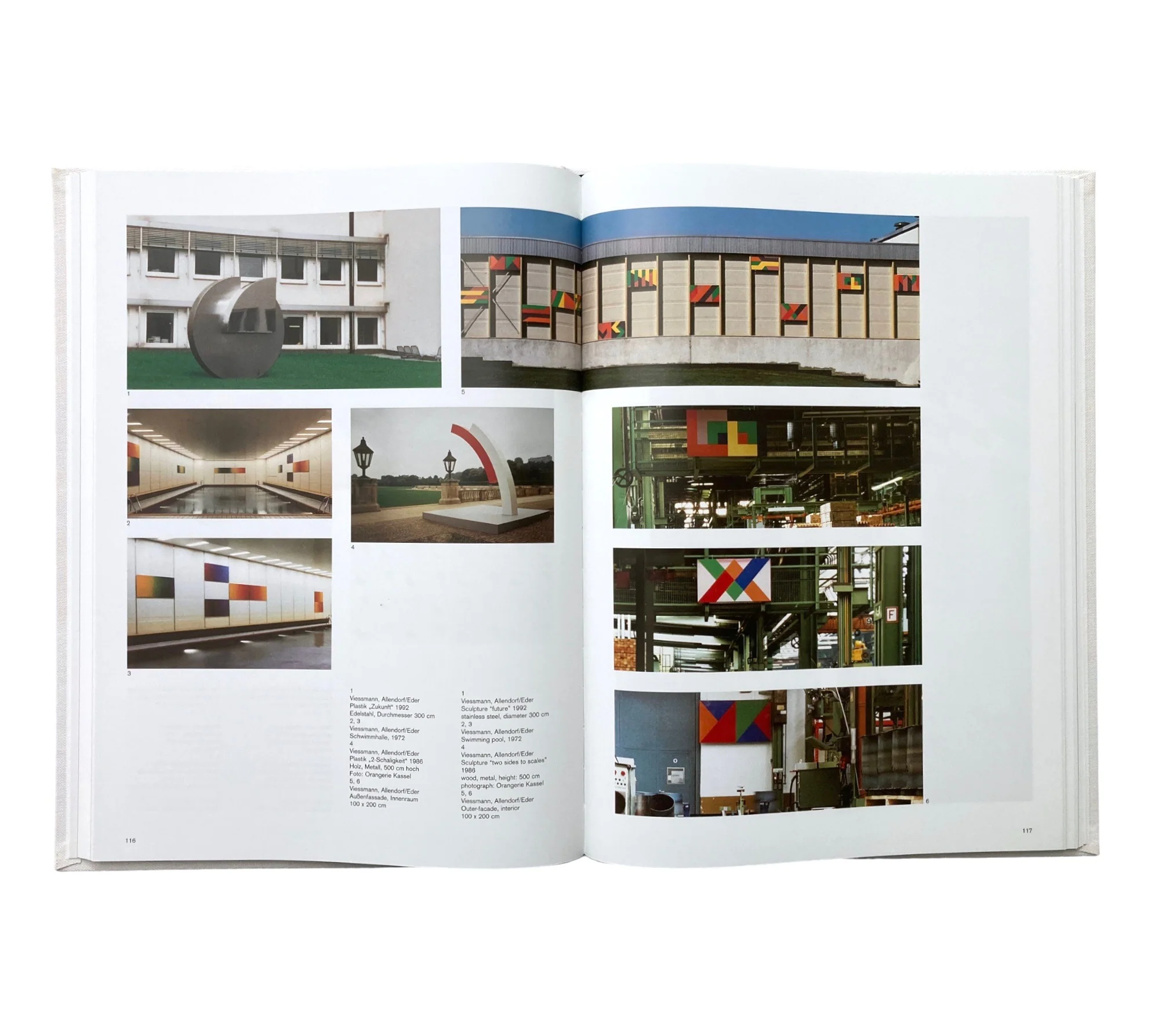
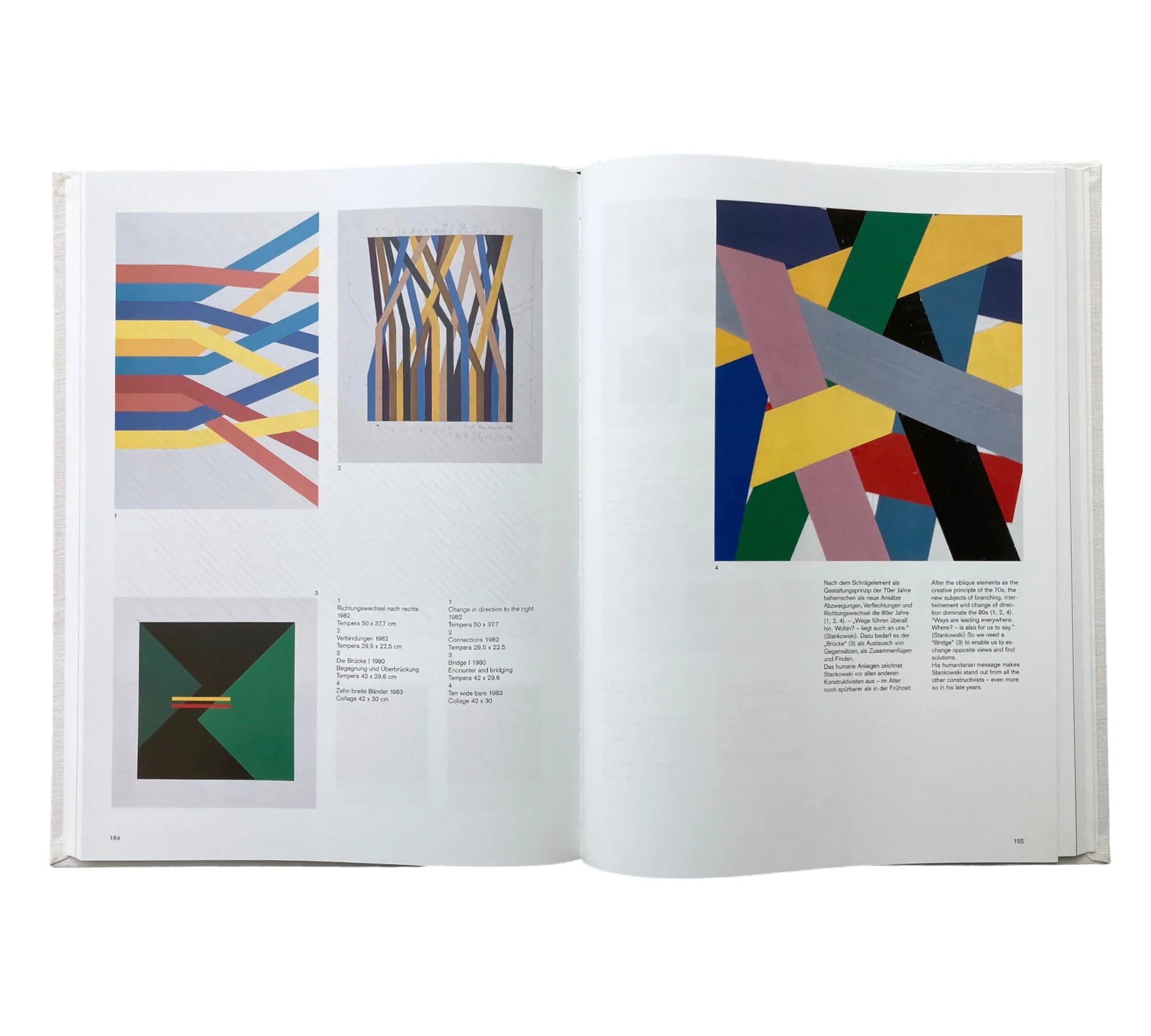
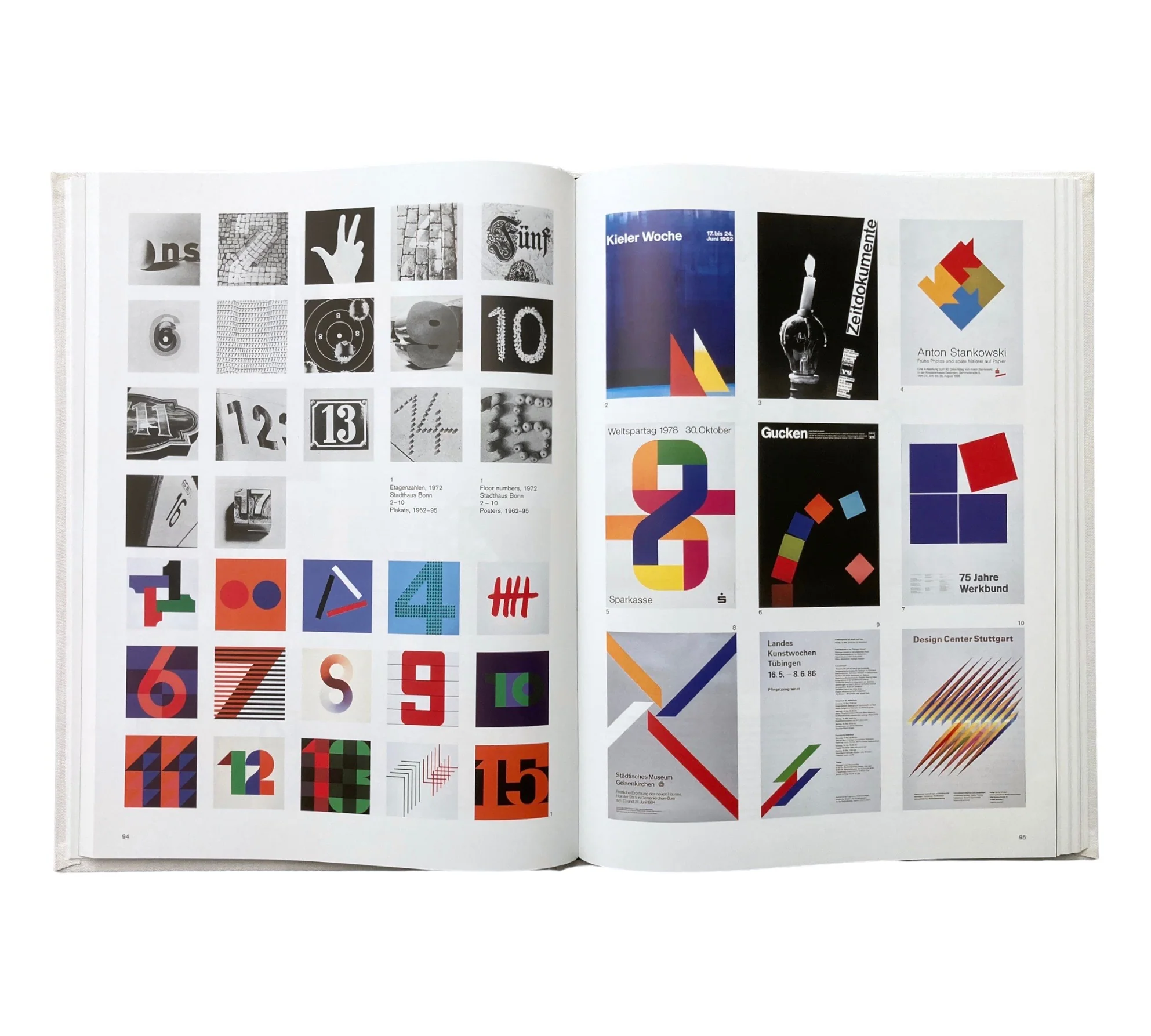
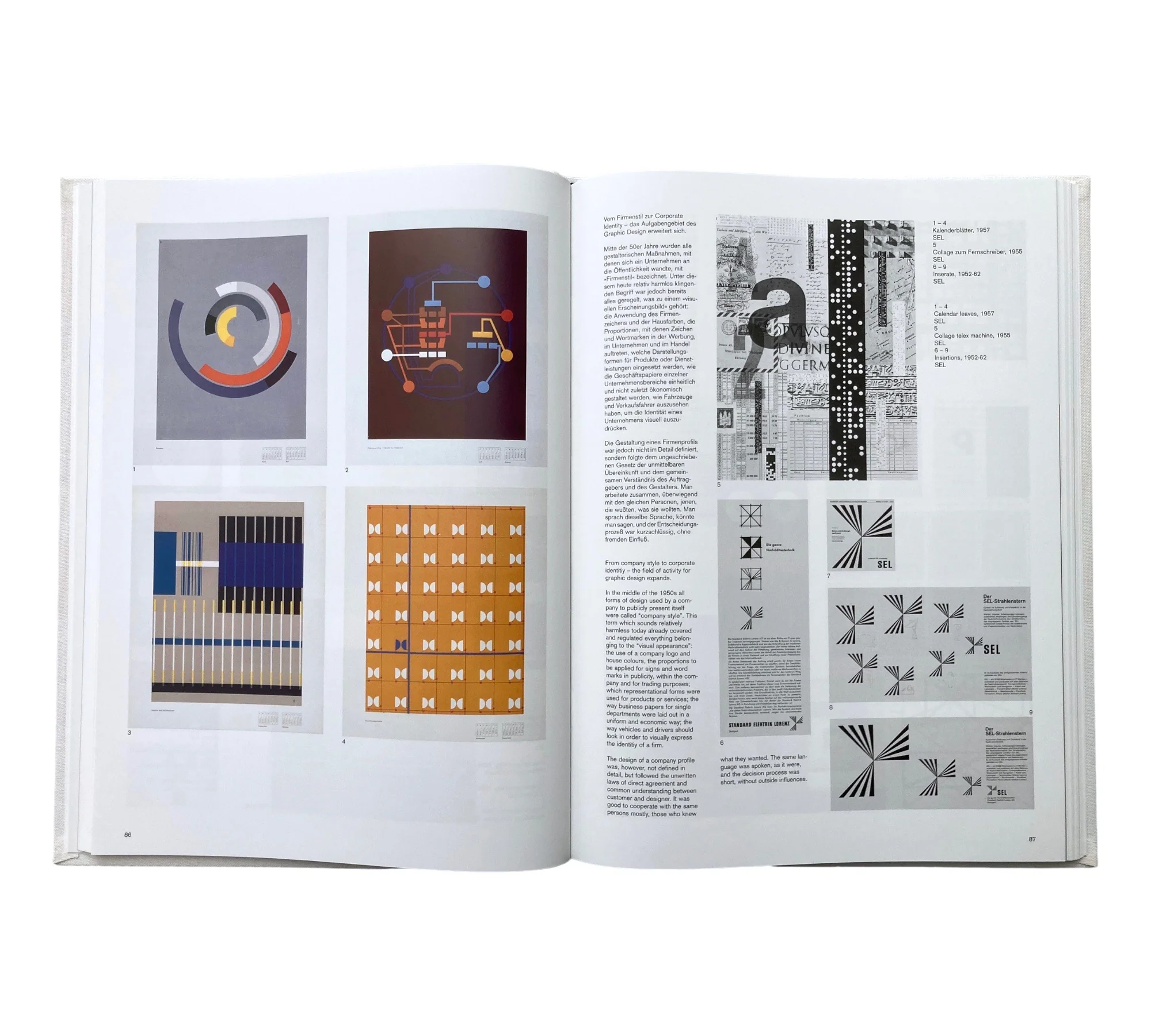
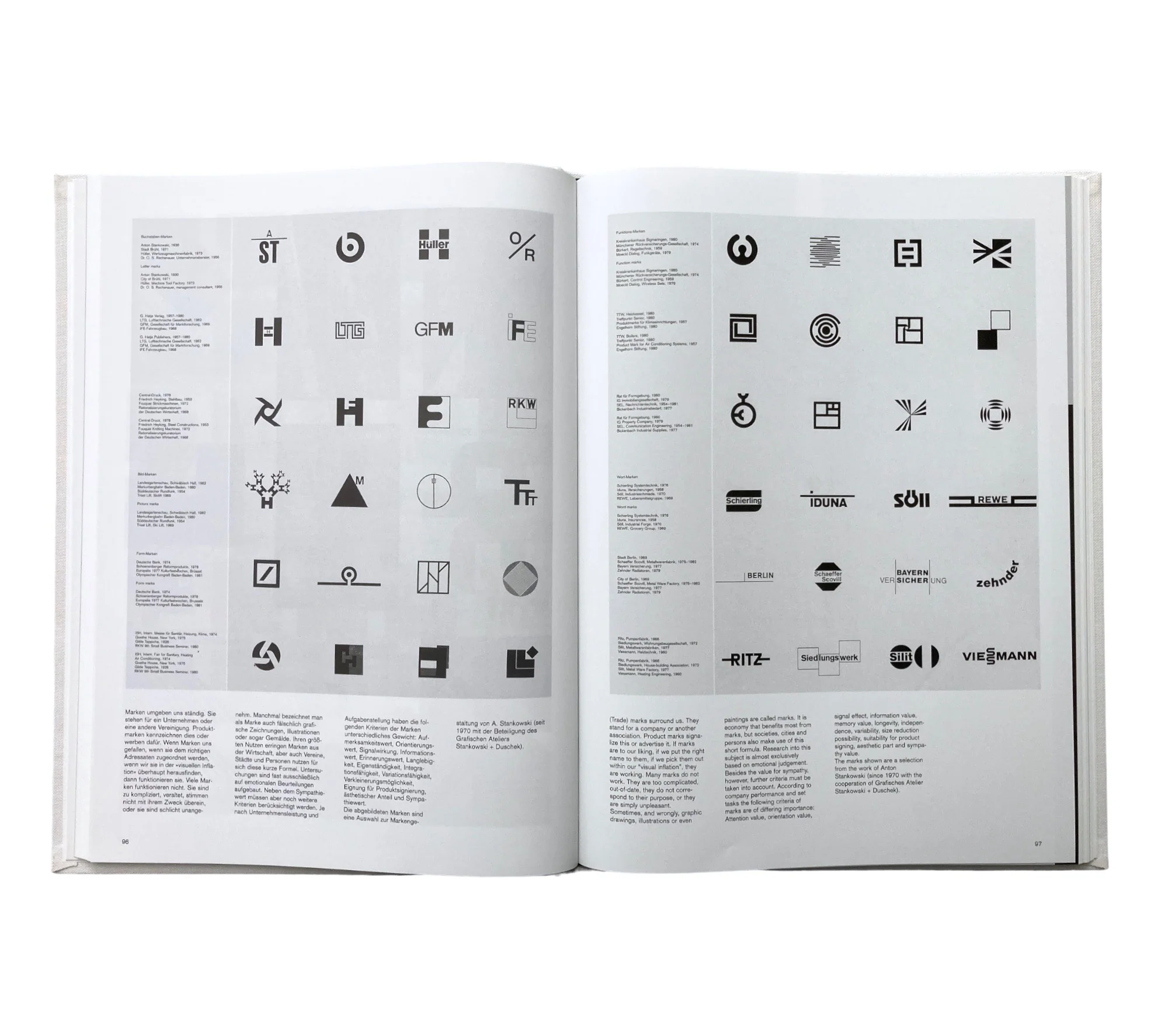
The basic concepts for his work developed out of the context of the 1920s. Lasting impressions were made on him especially by the New Objectivity, the Russian avant-garde, the Stijl movement, and the theoretical concepts of the Bauhaus. Stankowski was a dedicated proponent of the unity of free and applied art. For the field of commercial art, this approach logically entails the most demanding of artistic expectations. In advertising, he utterly renounced decorative elements and concentrated, in the visual realisation of the information to be conveyed, on objective and compressed representation.
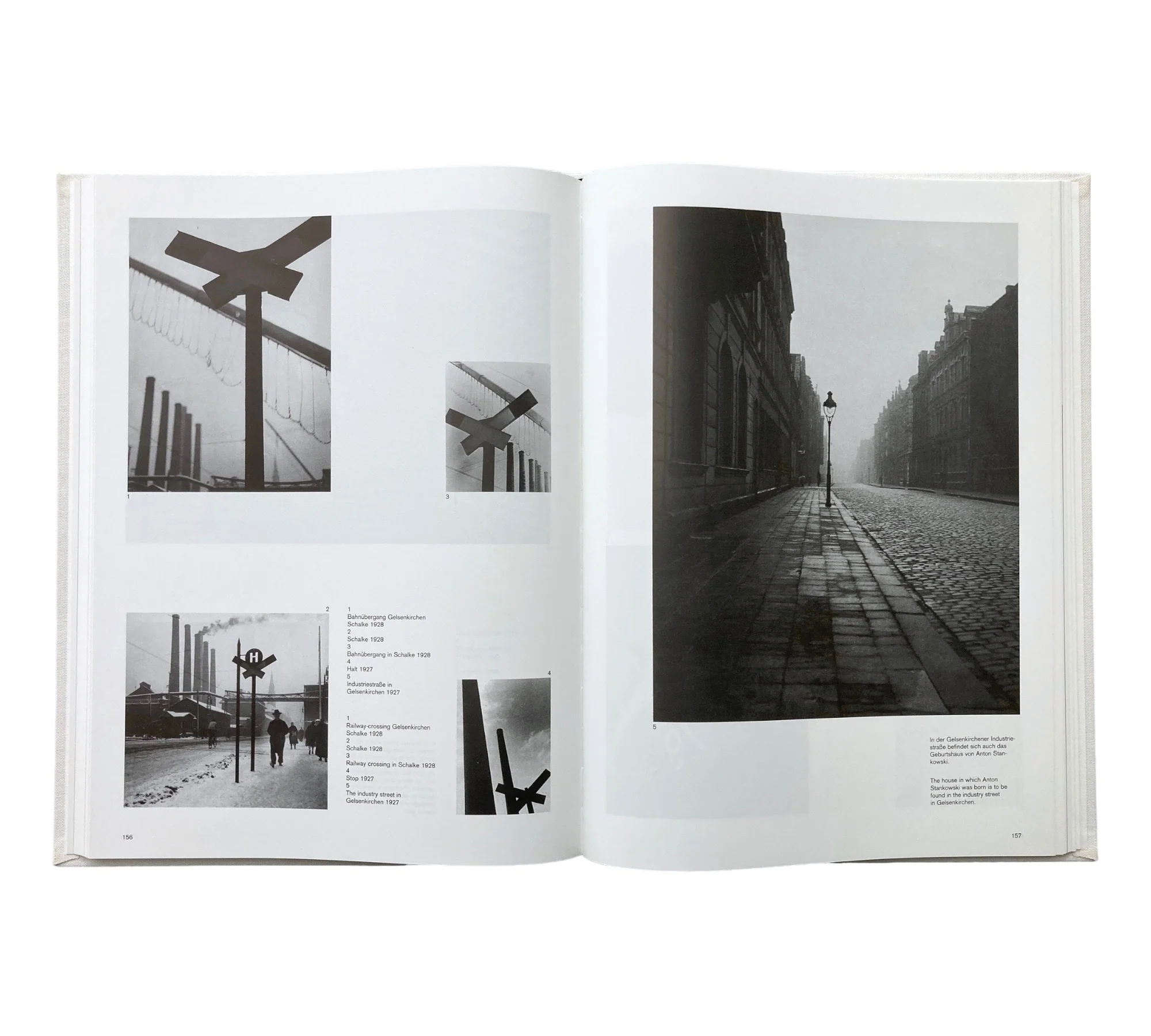
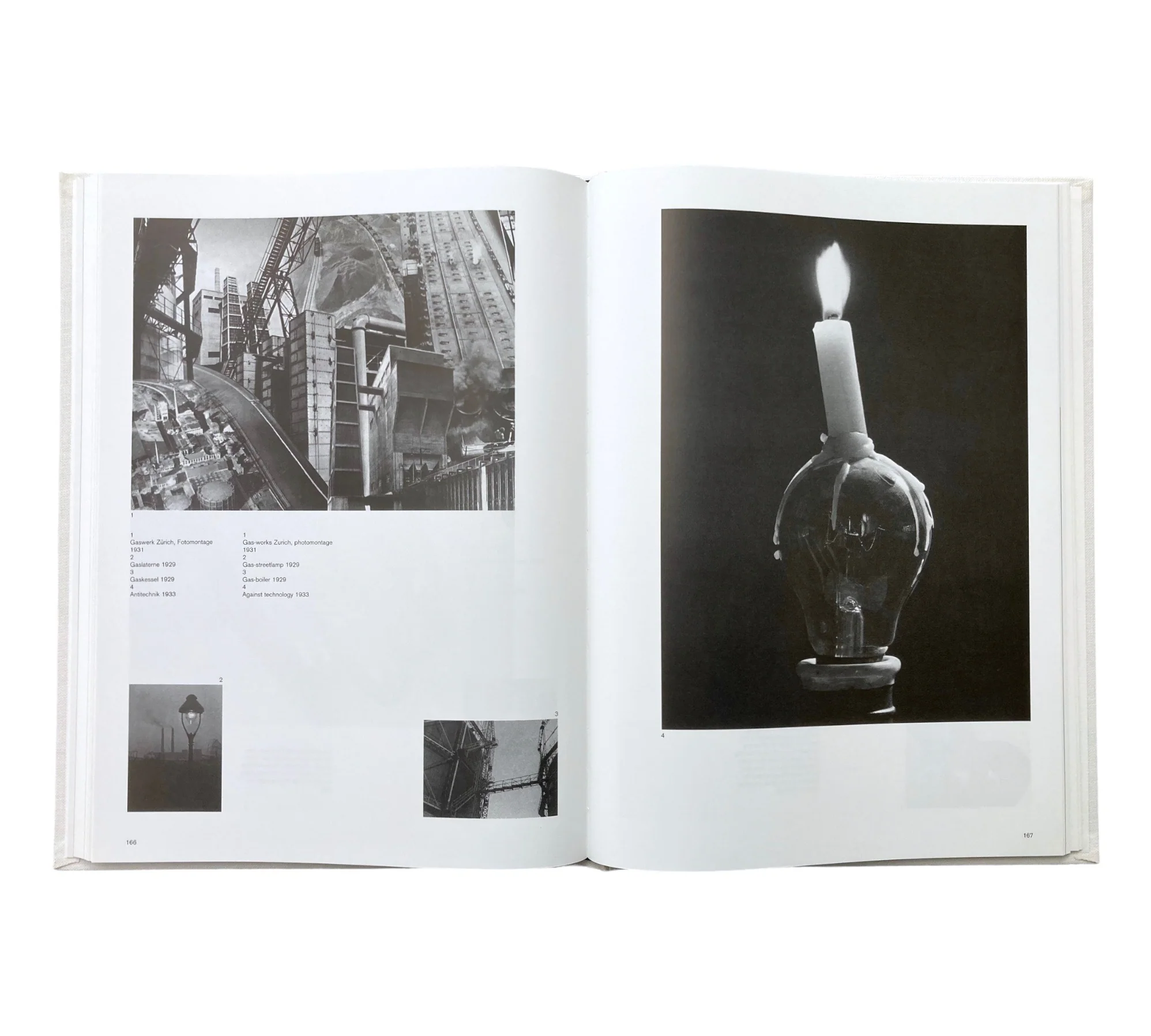
Through photography Stankowski presented reality with an immediacy befitting the medium. His street scenes created at the end of the 1920s clearly reveal the demands he imposed in this respect. Stankowski is considered a predecessor of the "Züricher Konkrete," and of the "Neue Fotografie." These movements turned away from stylised artistic photography as it had been cultivated by conservative photographers since the beginning of the century.
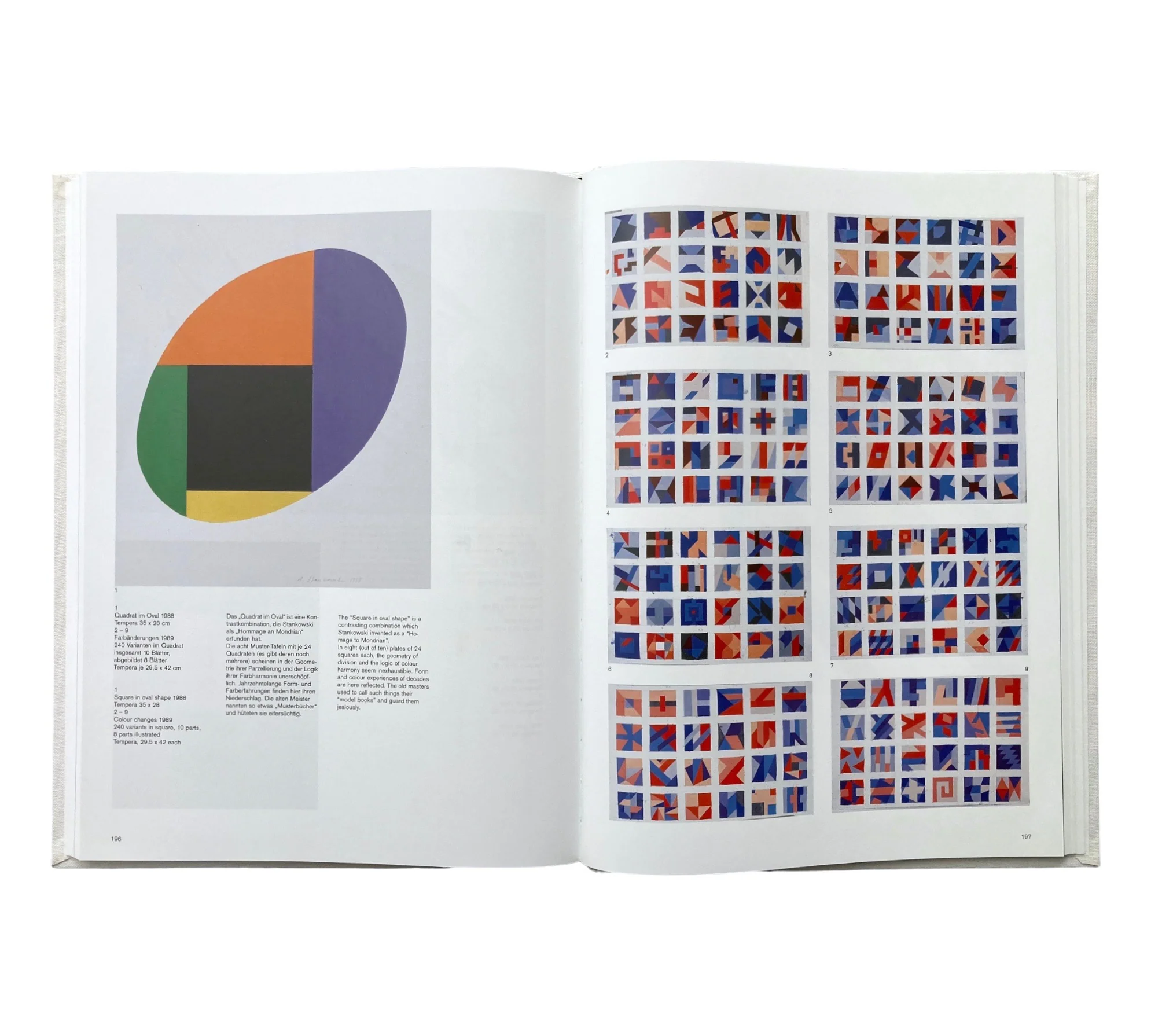
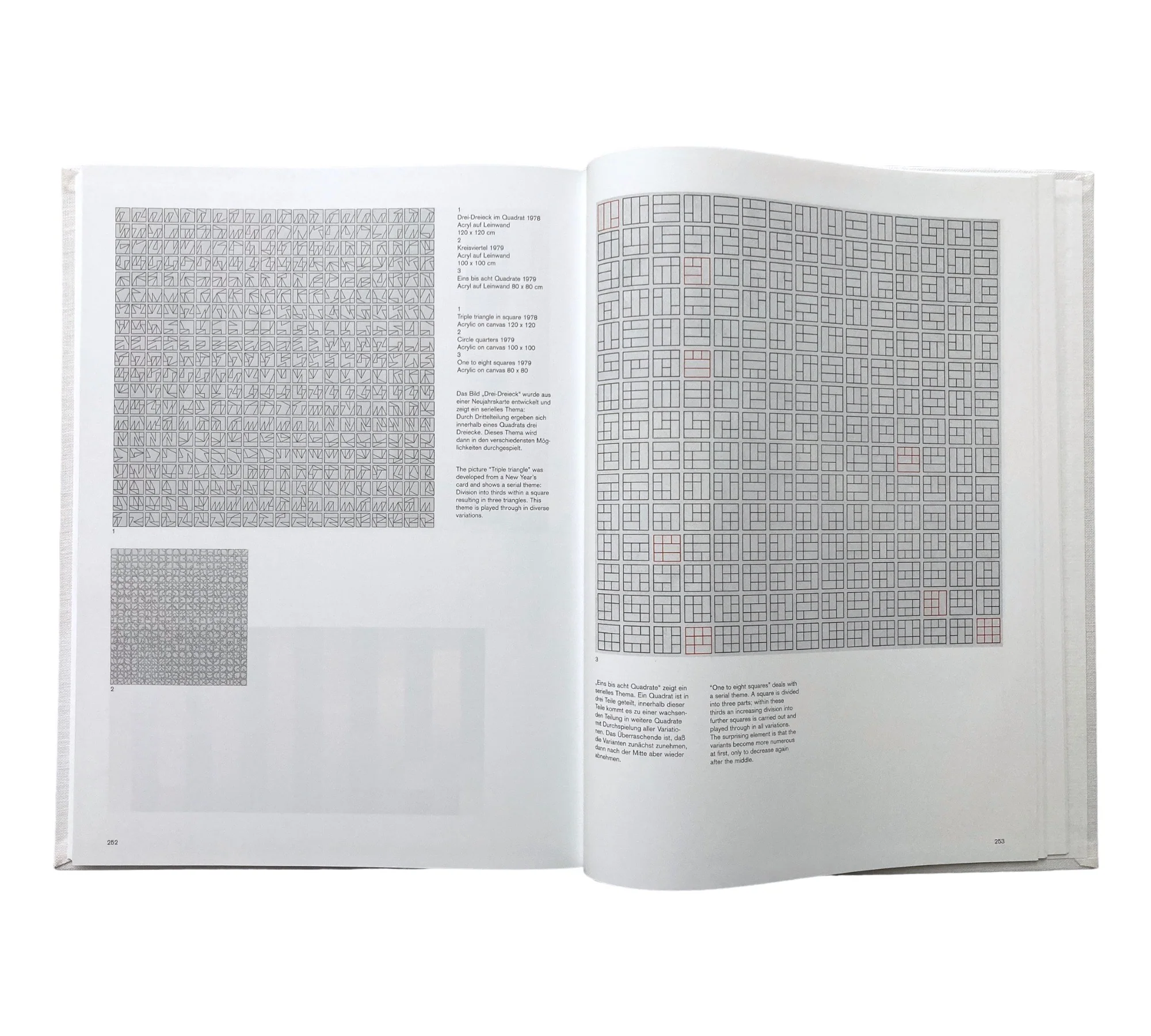
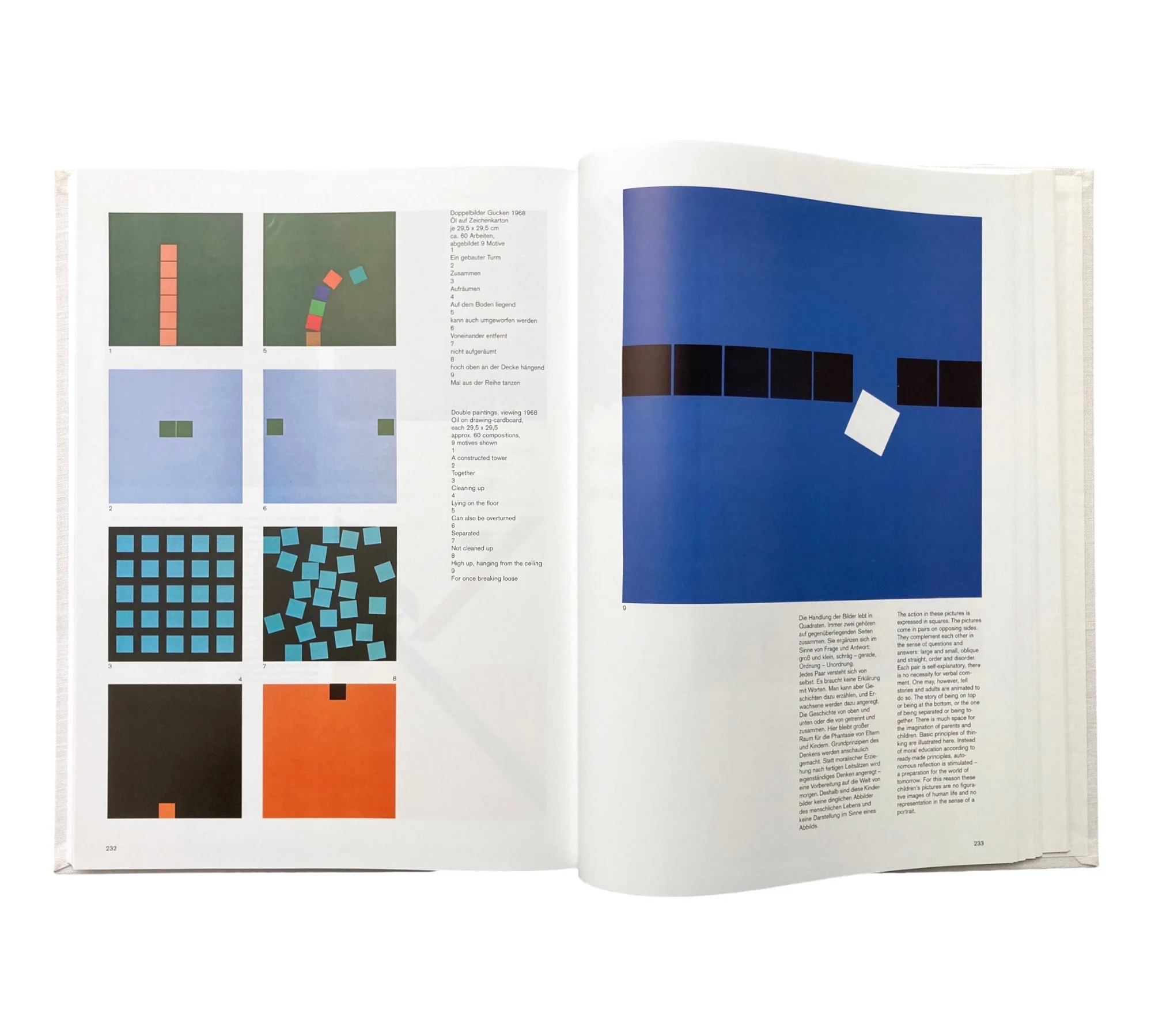
Commercial art and photography, however, are not the only fields in which Stankowski became involved. He increasingly dedicated himself to painting and showed his works in a number of exhibitions since the 1970s. His earliest paintings date from about 1925.




Description
Stefan von Wiese, Max Bense, Karl Duschek, Eugen Gomringer et al.
Hardcover | 25.5 x 34.5 cm | 519 pp
Ernst & Sohn | 1996 | 9783433023709
Text in English and German
Two clothbound volumes with dust jackets in printed greyboard slipcase
Rare & Collectable
PLEASE NOTE: The slipcases have some very minor marks or scratches - see final image for example.
This beautifully produced monograph on the German painter, photographer and graphic designer Anton Stankowski (1906-1998).
The basic concepts for his work developed out of the context of the 1920s. Lasting impressions were made on him especially by the New Objectivity, the Russian avant-garde, the Stijl movement, and the theoretical concepts of the Bauhaus. Stankowski was a dedicated proponent of the unity of free and applied art. For the field of commercial art, this approach logically entails the most demanding of artistic expectations. In advertising, he utterly renounced decorative elements and concentrated, in the visual realisation of the information to be conveyed, on objective and compressed representation.
Through photography Stankowski presented reality with an immediacy befitting the medium. His street scenes created at the end of the 1920s clearly reveal the demands he imposed in this respect. Stankowski is considered a predecessor of the "Züricher Konkrete," and of the "Neue Fotografie." These movements turned away from stylised artistic photography as it had been cultivated by conservative photographers since the beginning of the century.
Commercial art and photography, however, are not the only fields in which Stankowski became involved. He increasingly dedicated himself to painting and showed his works in a number of exhibitions since the 1970s. His earliest paintings date from about 1925.