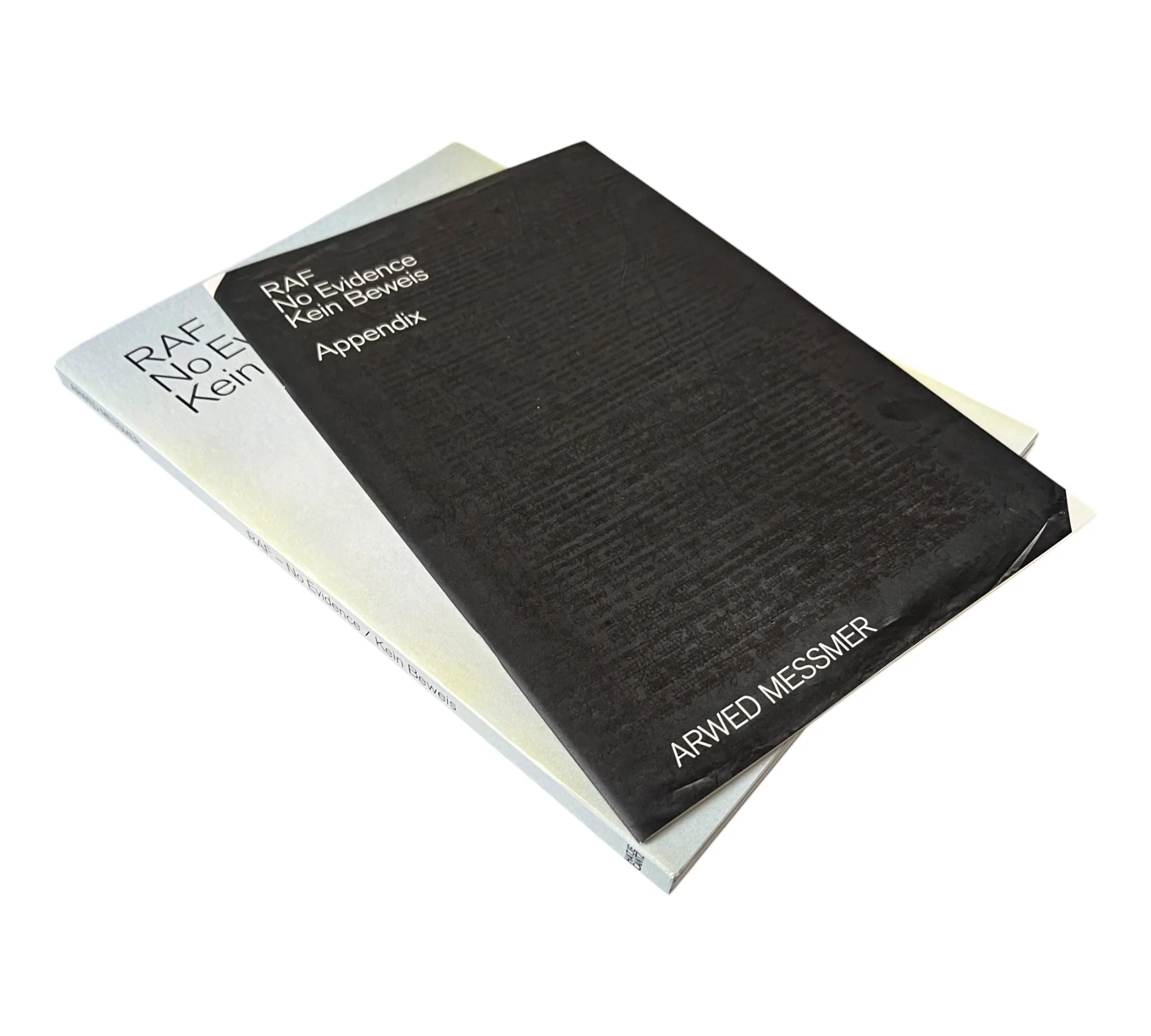
Arwed Messmer: RAF - No Evidence
Softcover | 23.88 x 1.27 x 32.77 cm | 136 pp
Hatje Cantz | 2017 | 9783775743464
Arwed Messmer (b. 1964) is a German photographer and artist. His work primarily uses recontextualised vernacular photographs of recent historical events, found in German state archives, in order to pose questions about photography.
'The German Autumn' was a period during September and October 1977 marked by a series of attacks by the Red Army Faction (RAF), a far-left militant group designated as a terrorist organisation by the West German government.
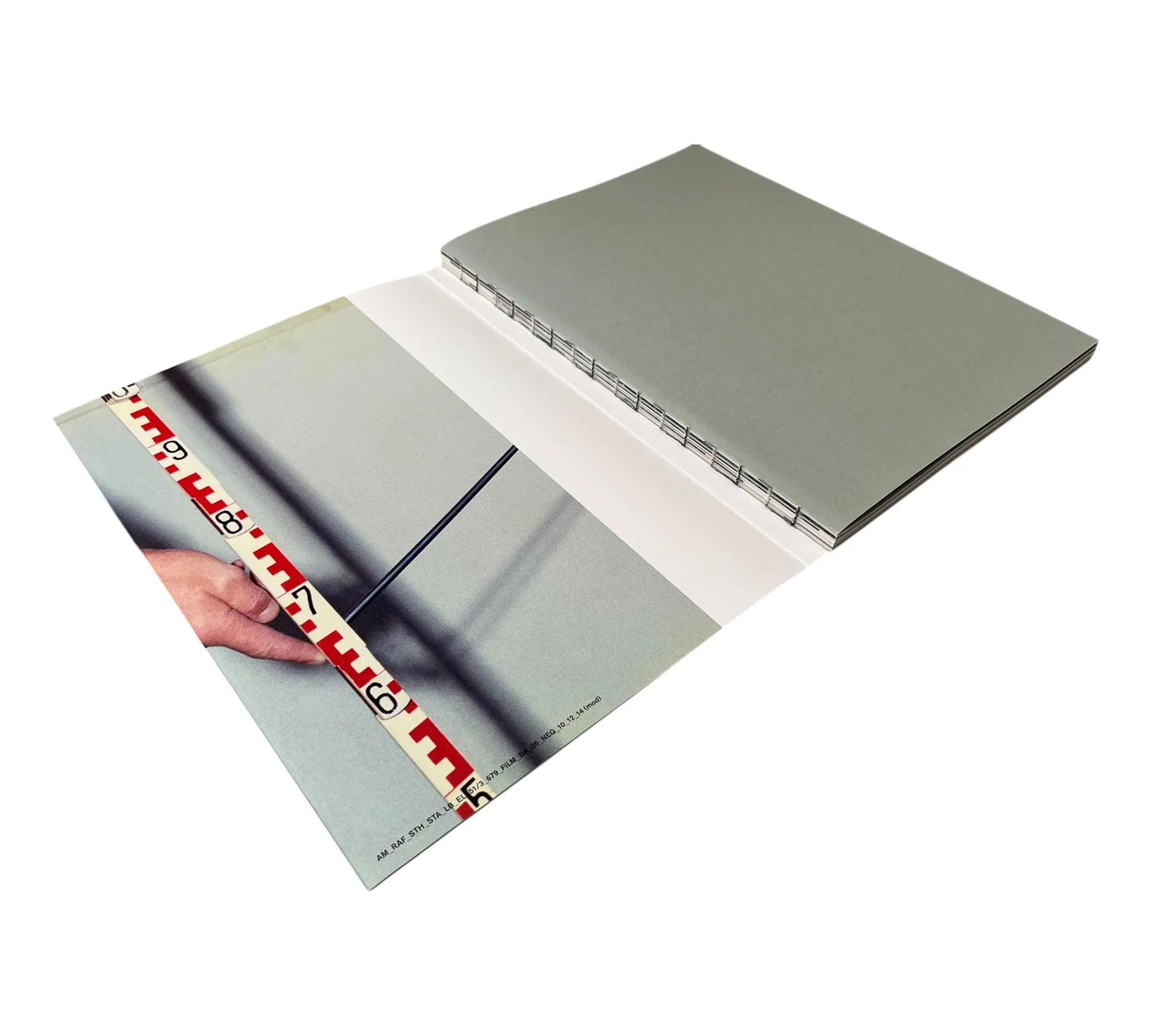
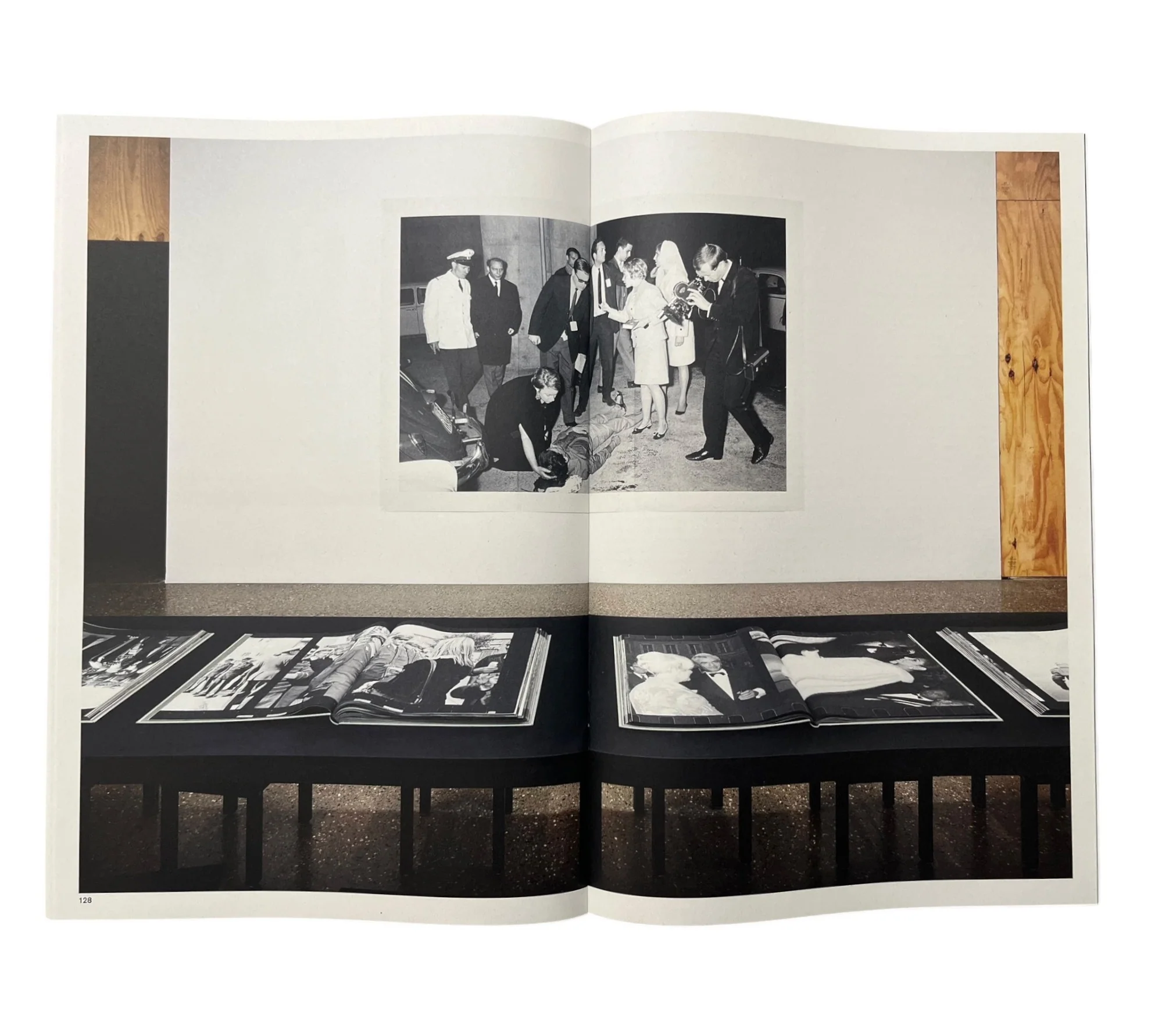
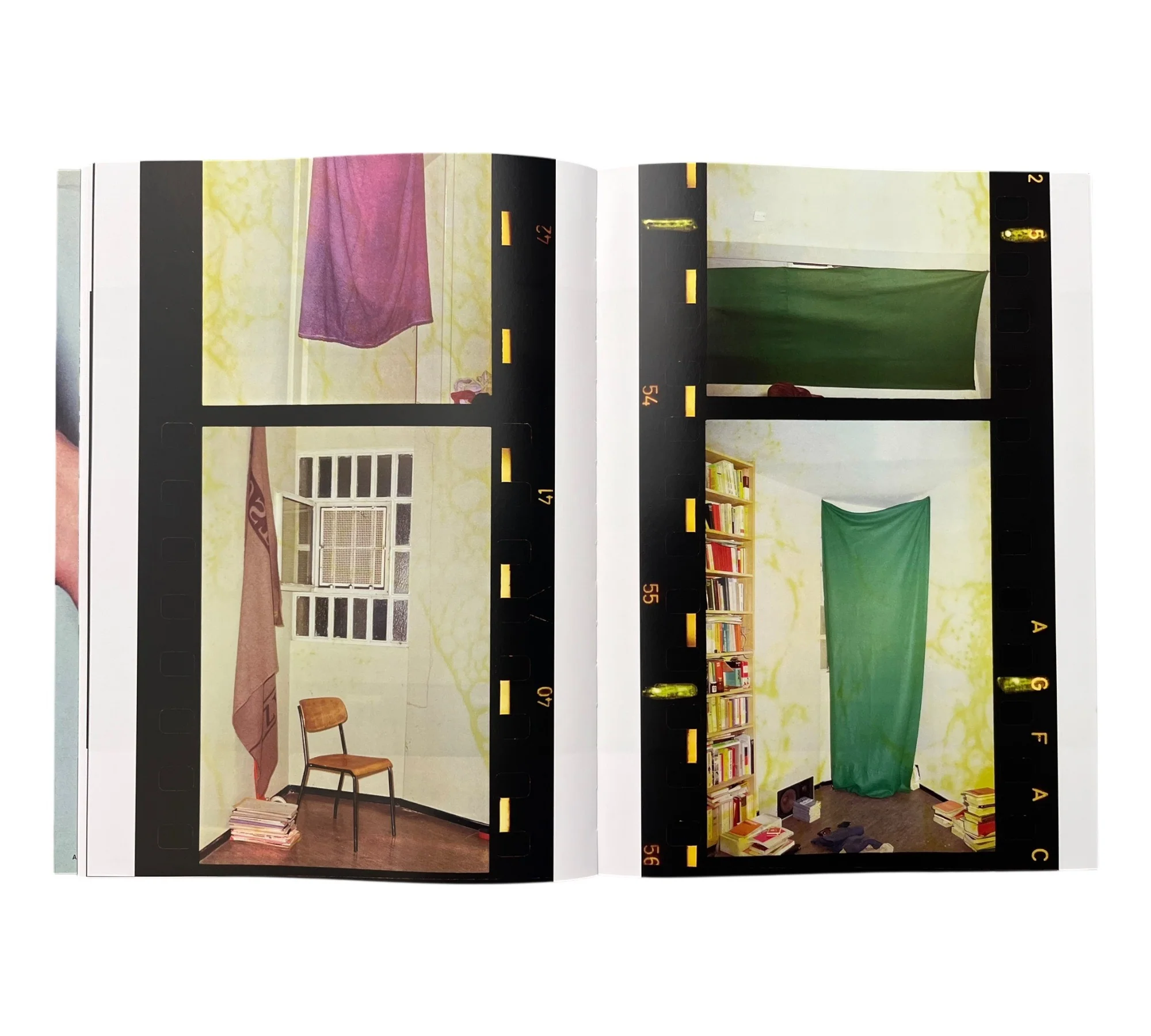
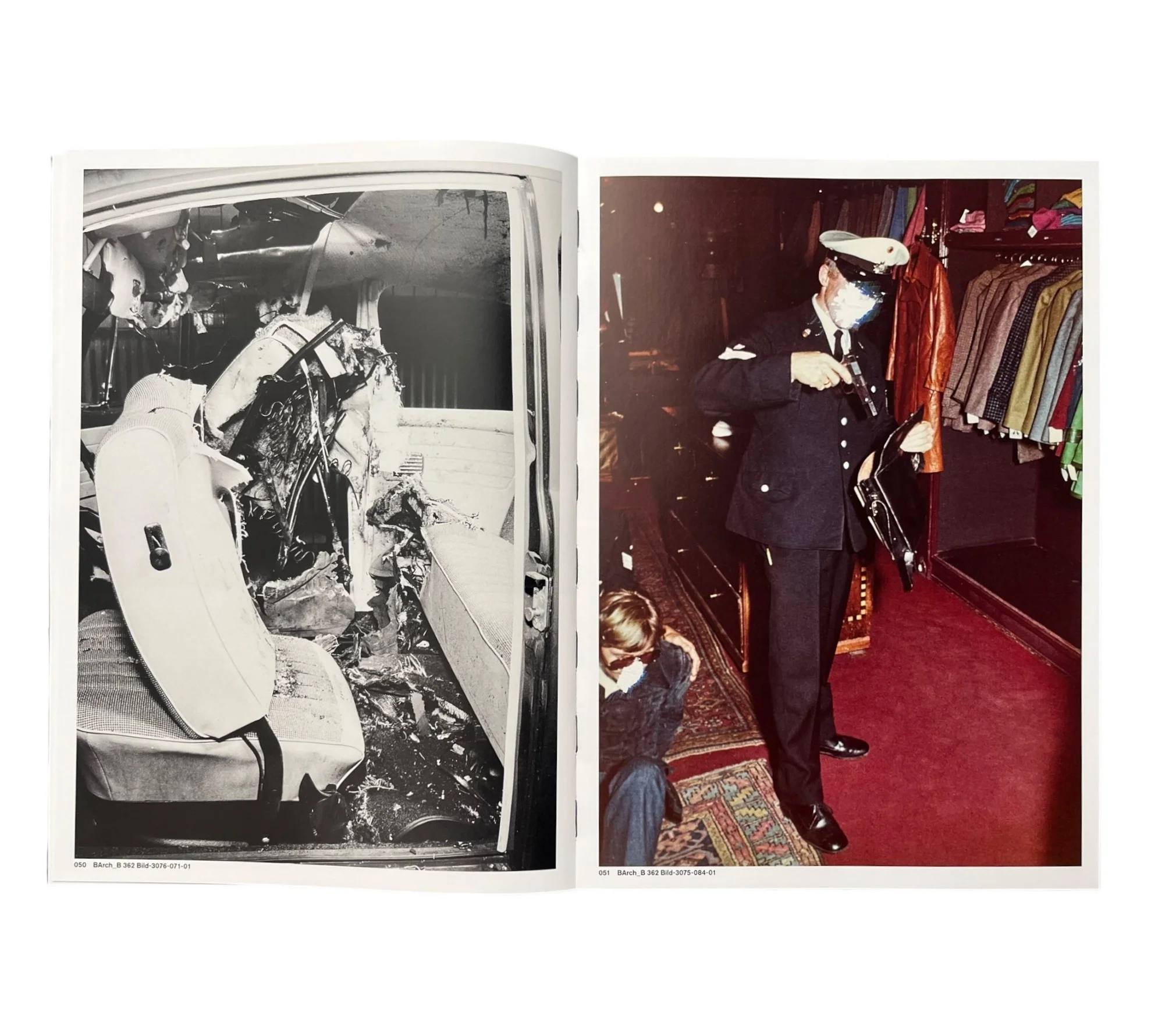
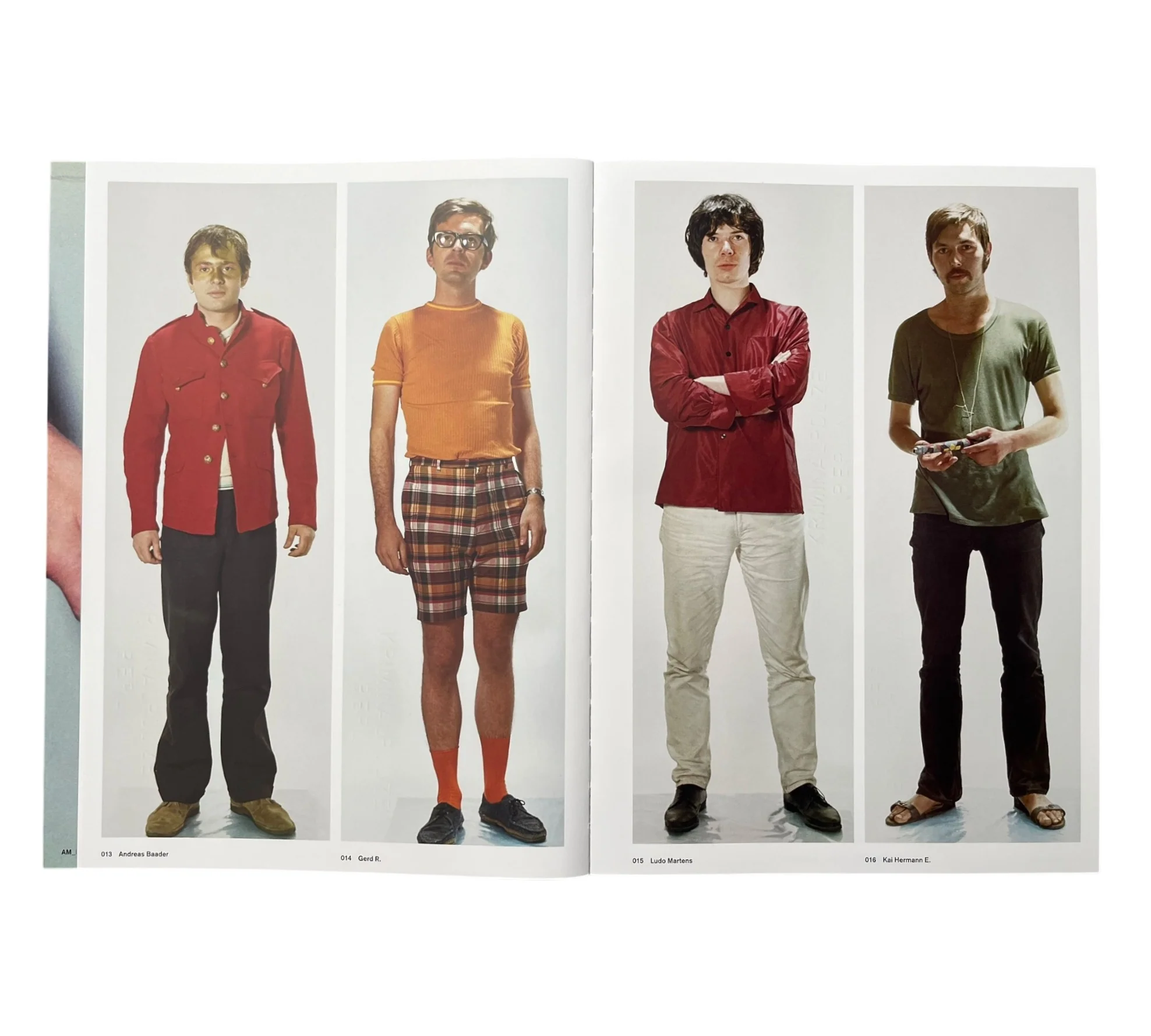
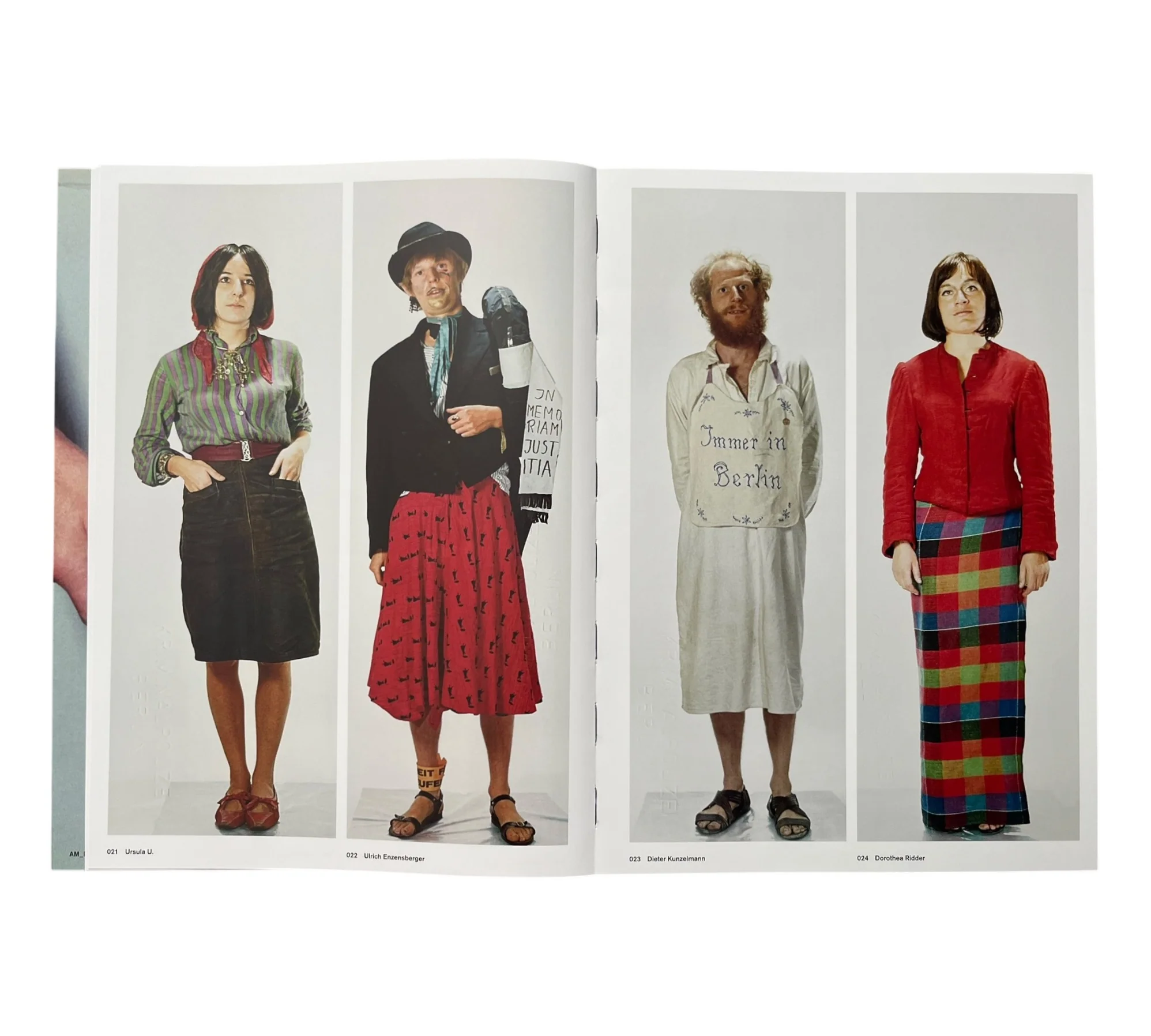
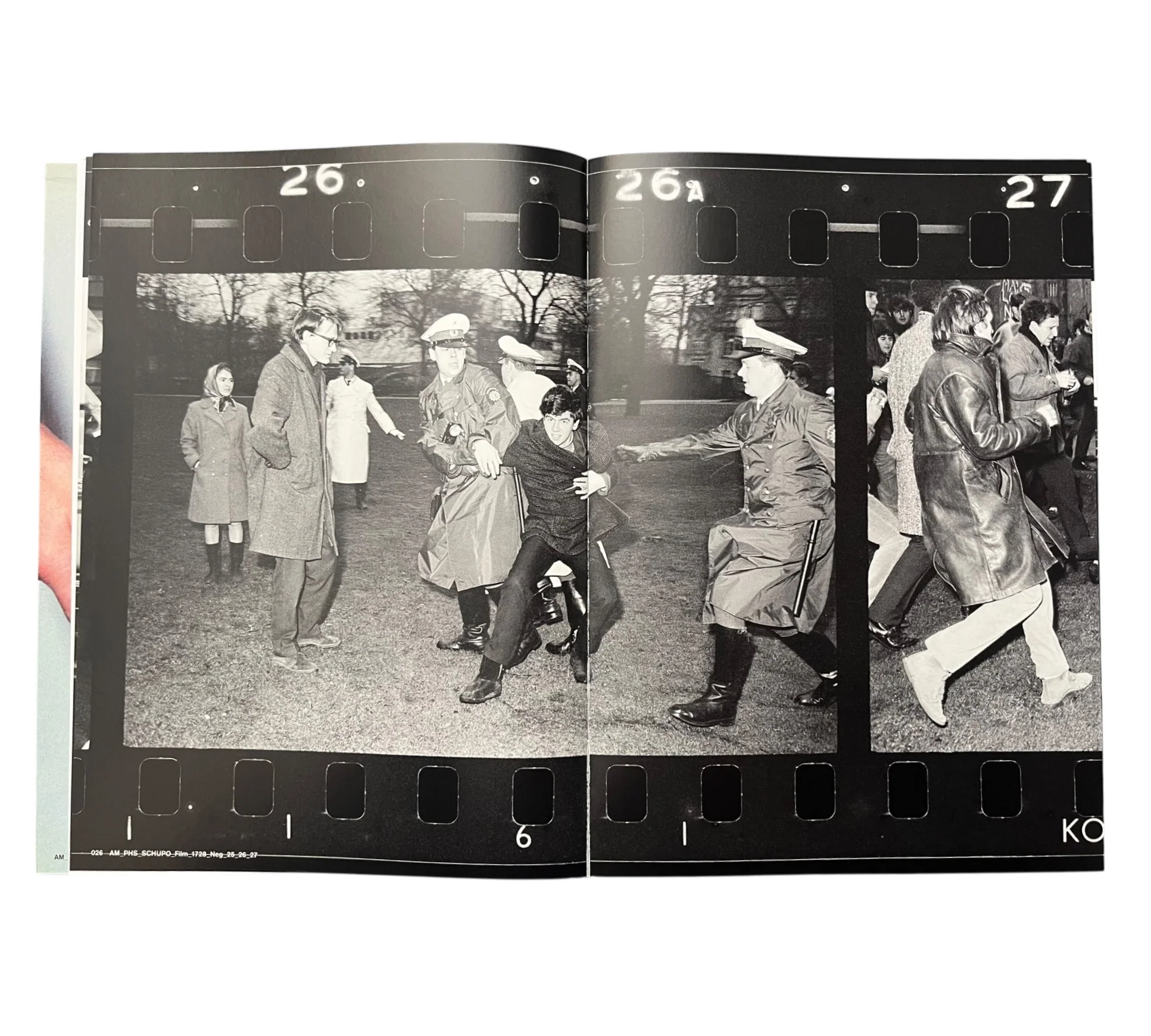
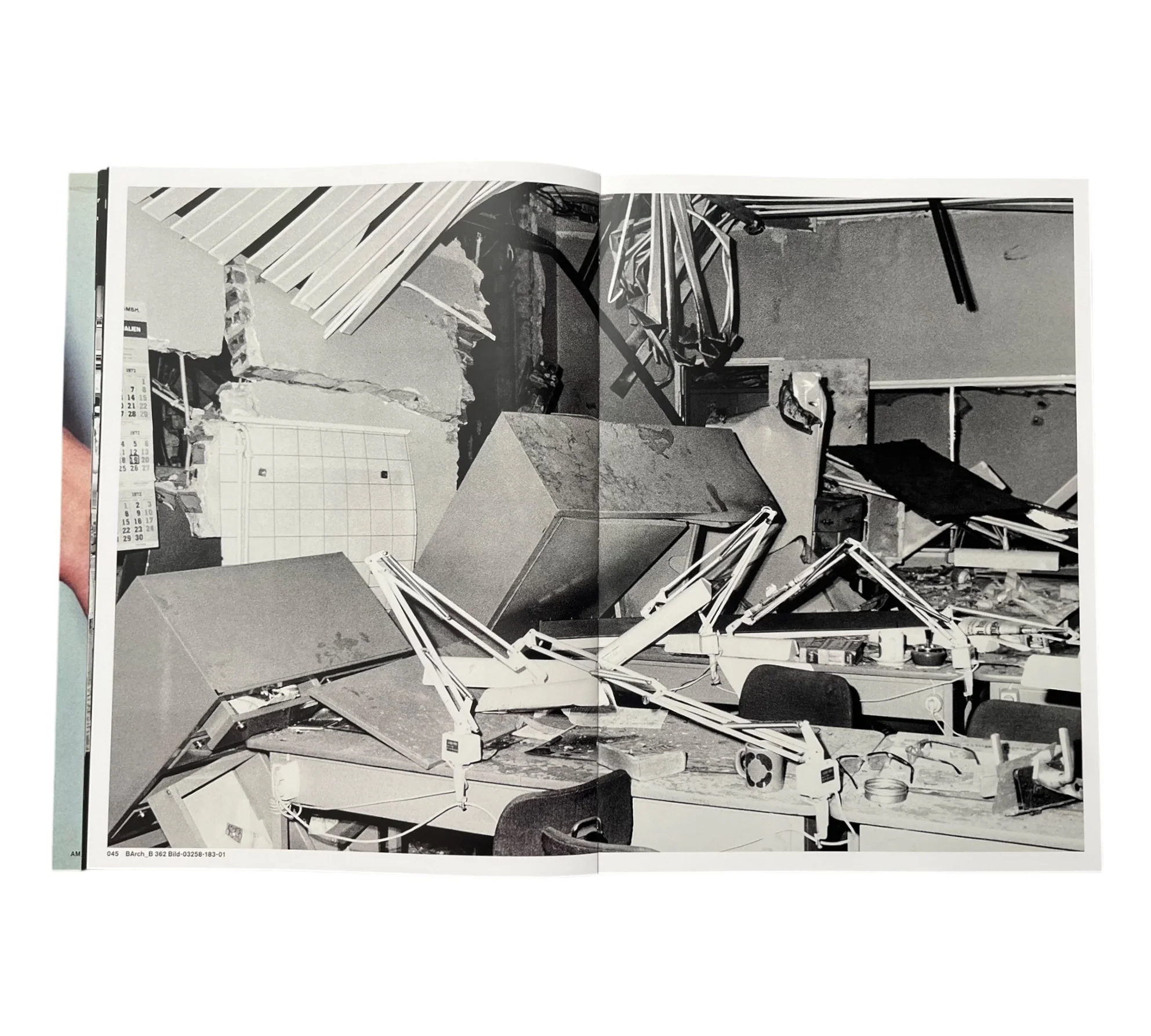
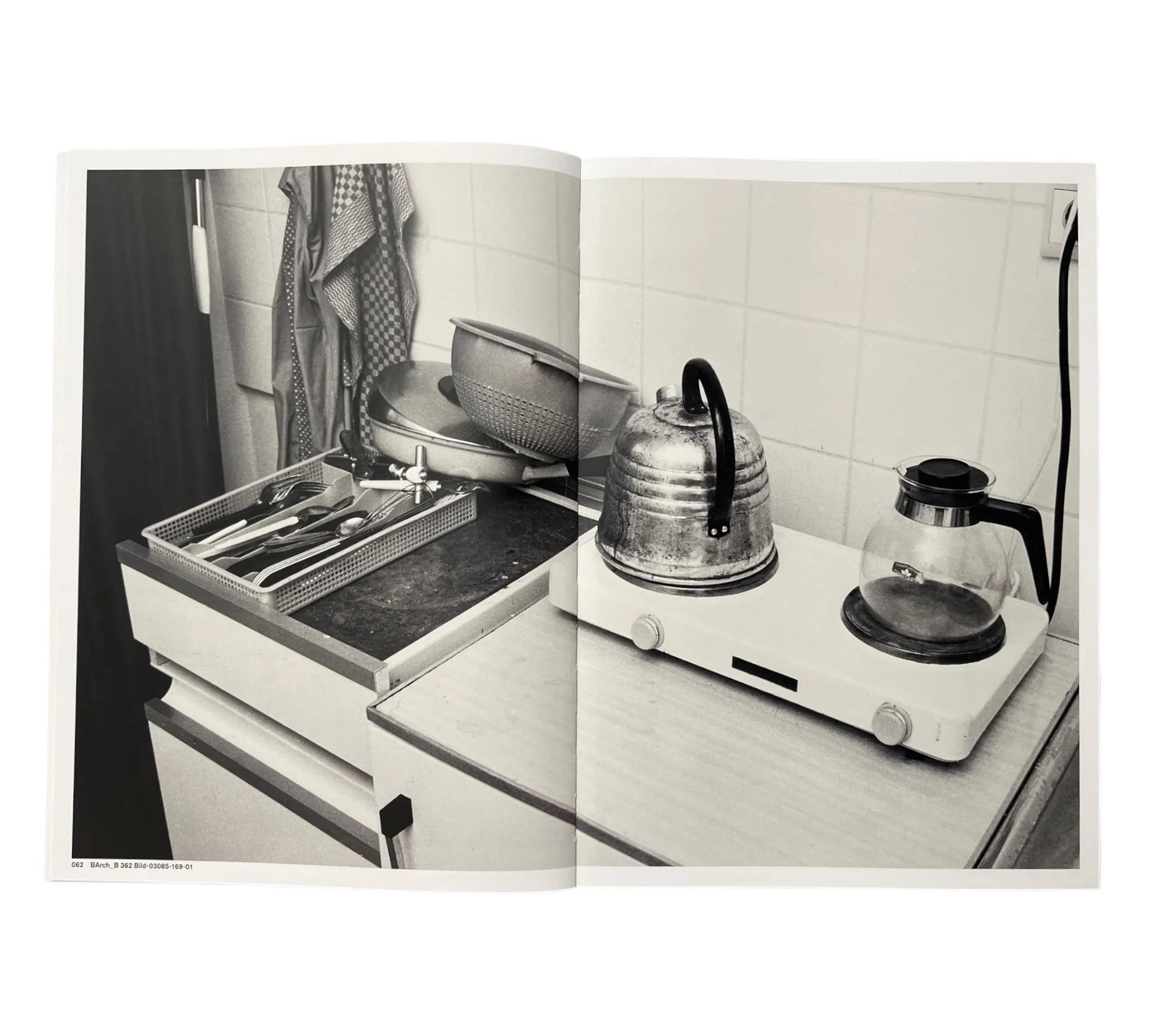
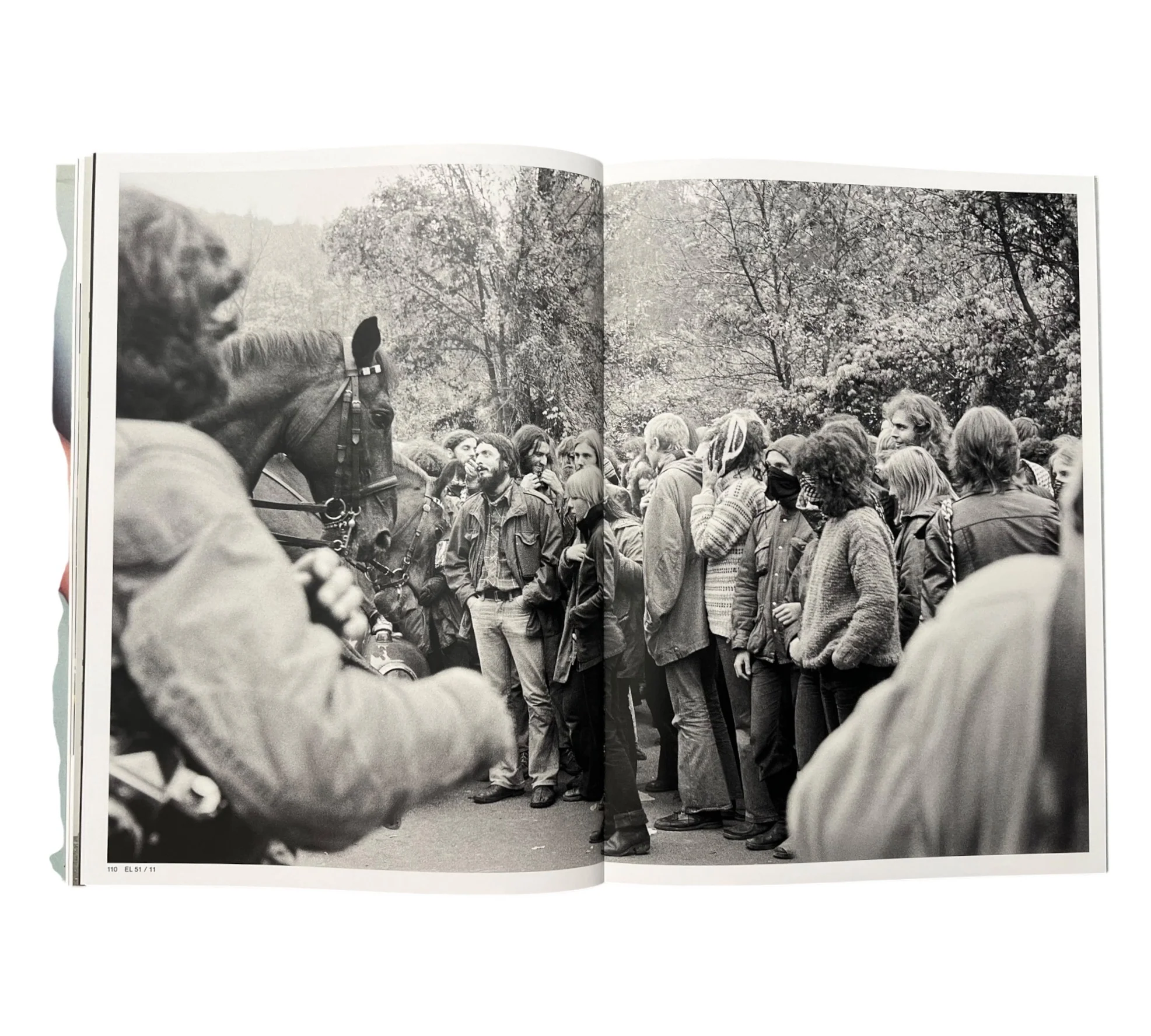
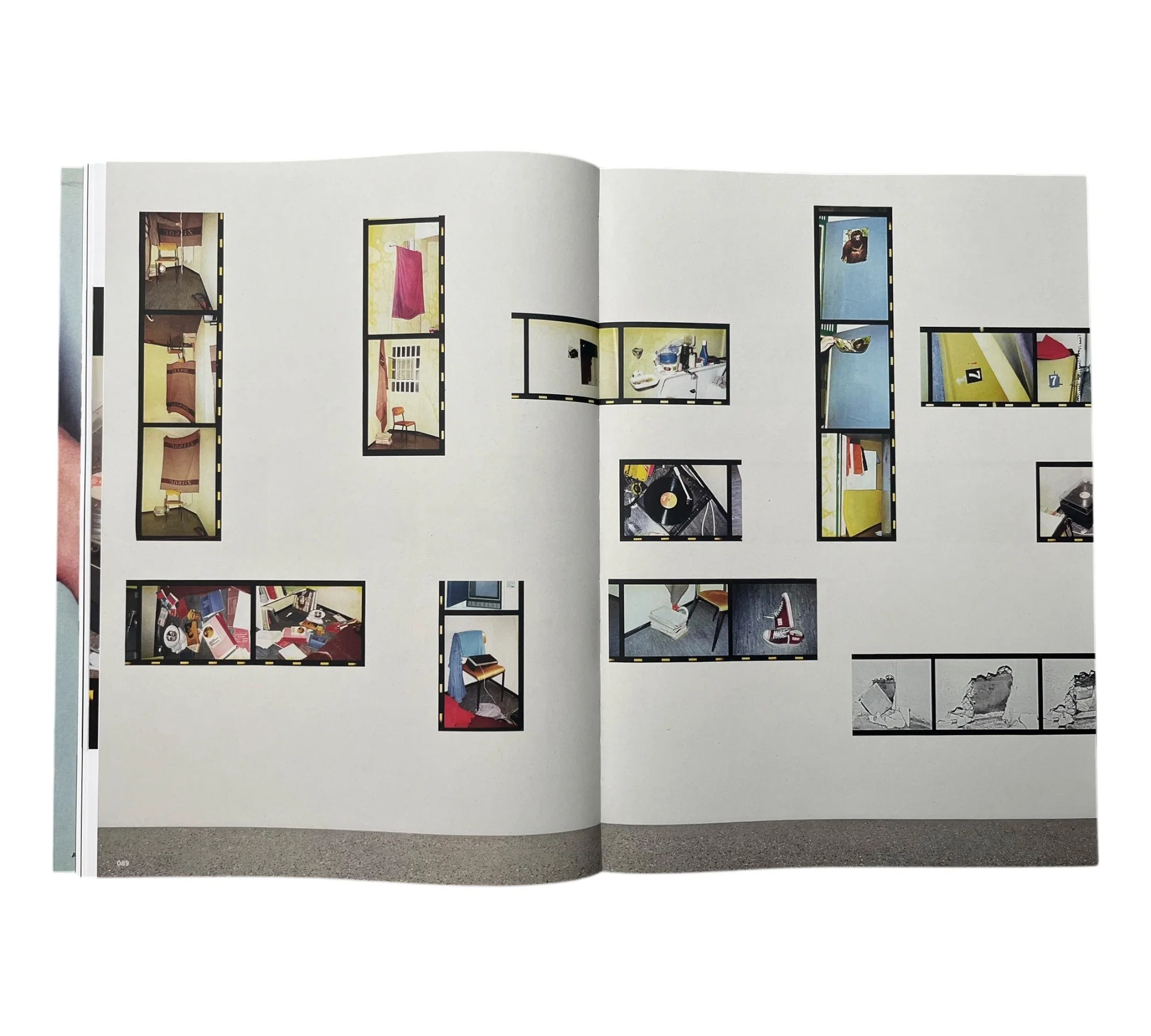
Numerous accounts of the RAF and the German Autumn in 1977 have been chronicled over the decades, from journalistic, historical, literary, cinematic, and artistic perspectives. Here Arwed Messmer begins with the various photographs made by police photographers at the time―pictures of demonstrators, crime scene images, and mug shots.
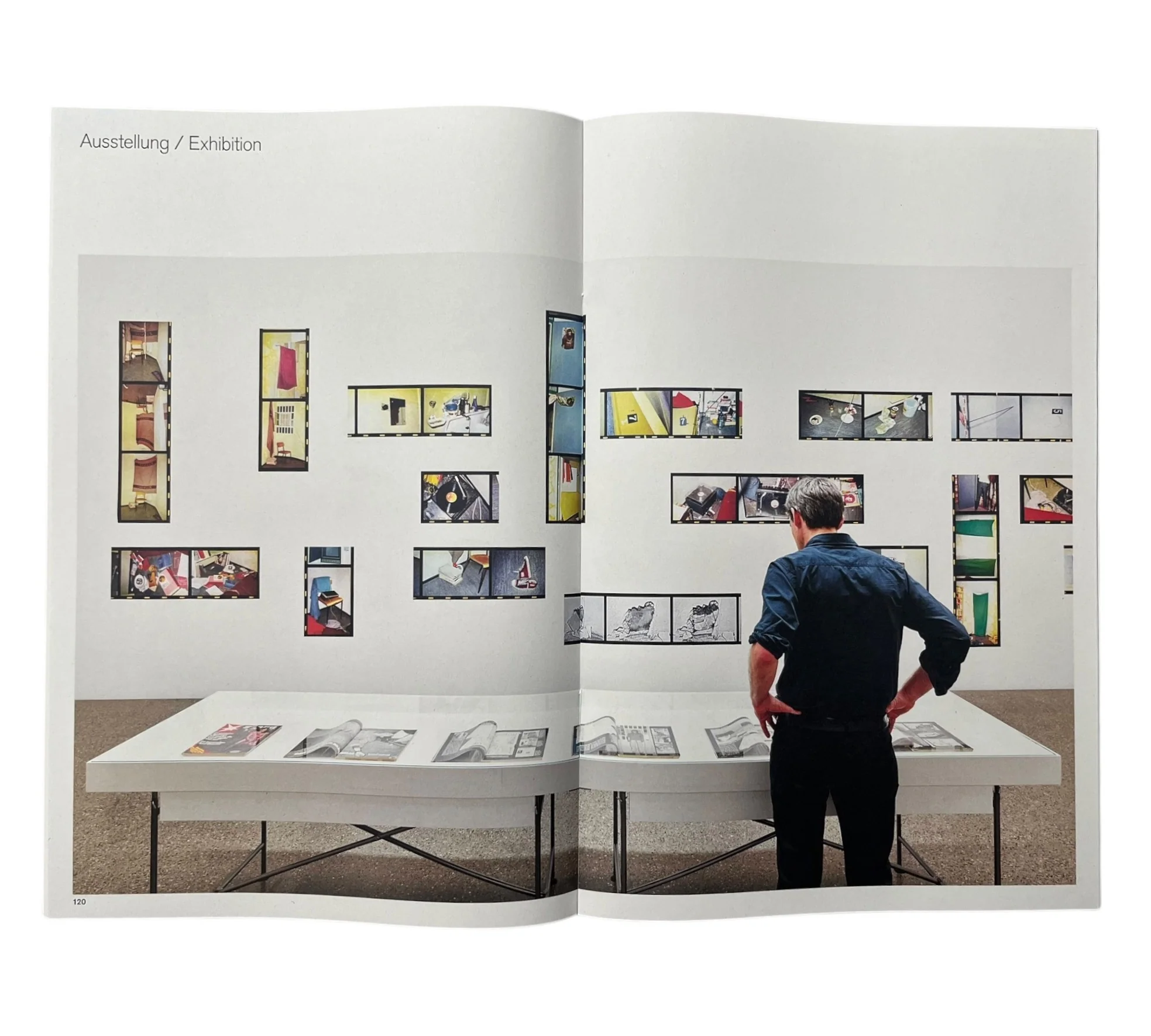
Messmer poses the question of how this past search for criminological evidence can be employed artistically. His narrative strikes an arc from the beginnings of the movement to the multiple eruptions of violence in 1977, the abduction and murder of Hanns-Martin Schleyer, and the suicides of Andreas Baader, Gudrun Ensslin, and Jan-Carl Raspe in Stammheim Prison. Messmer’s work therefore also has an ethical dimension: which photographs can be shown, how can they be shown, and why do we want to see them?
This investigation touches a key point in the debate on images that are on the one hand historical documents, and on the other hand embodiments of their own aesthetic with powerful potential for an empathetic examination of history.
Original: $40.61
-65%$40.61
$14.21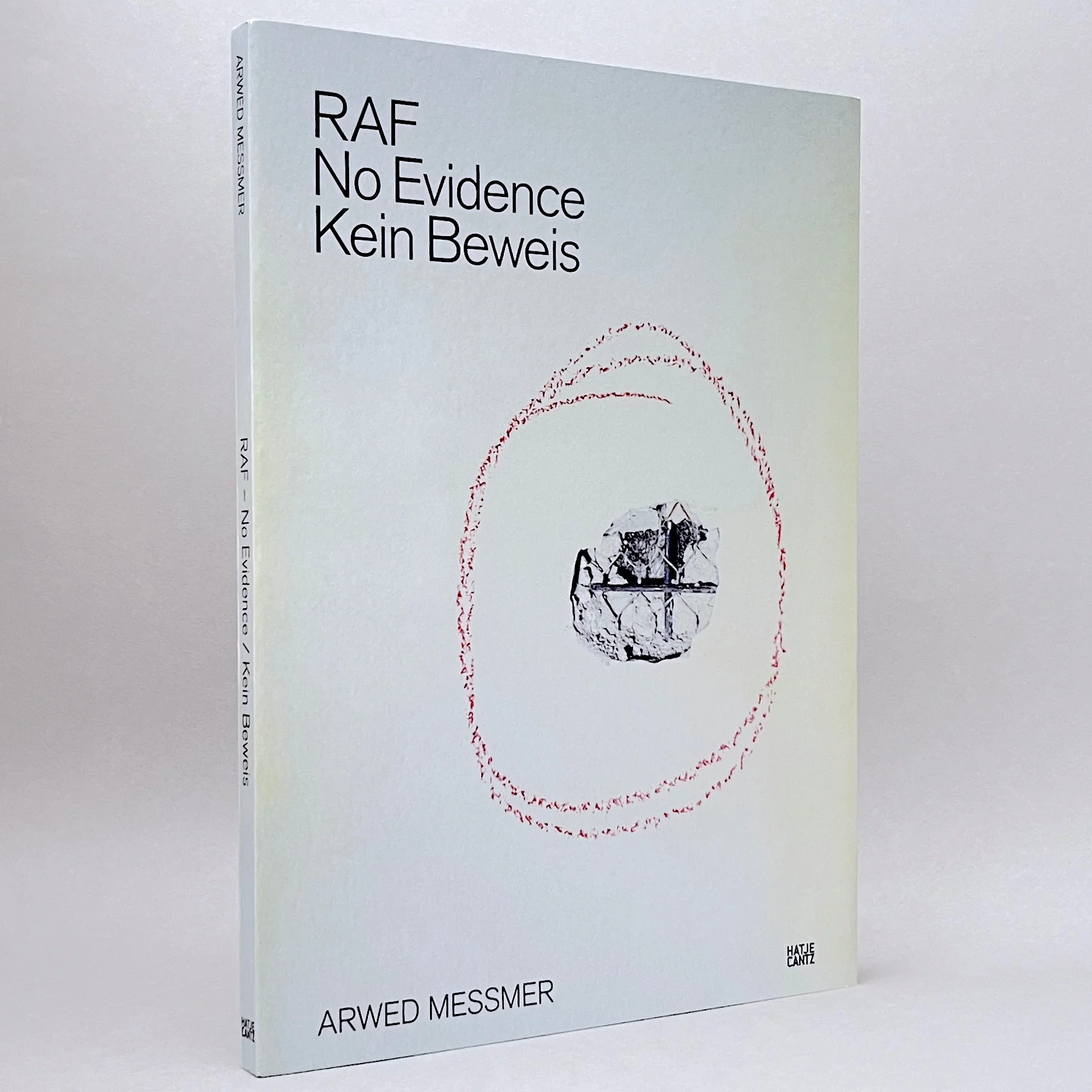


Description
Softcover | 23.88 x 1.27 x 32.77 cm | 136 pp
Hatje Cantz | 2017 | 9783775743464
Arwed Messmer (b. 1964) is a German photographer and artist. His work primarily uses recontextualised vernacular photographs of recent historical events, found in German state archives, in order to pose questions about photography.
'The German Autumn' was a period during September and October 1977 marked by a series of attacks by the Red Army Faction (RAF), a far-left militant group designated as a terrorist organisation by the West German government.
Numerous accounts of the RAF and the German Autumn in 1977 have been chronicled over the decades, from journalistic, historical, literary, cinematic, and artistic perspectives. Here Arwed Messmer begins with the various photographs made by police photographers at the time―pictures of demonstrators, crime scene images, and mug shots.
Messmer poses the question of how this past search for criminological evidence can be employed artistically. His narrative strikes an arc from the beginnings of the movement to the multiple eruptions of violence in 1977, the abduction and murder of Hanns-Martin Schleyer, and the suicides of Andreas Baader, Gudrun Ensslin, and Jan-Carl Raspe in Stammheim Prison. Messmer’s work therefore also has an ethical dimension: which photographs can be shown, how can they be shown, and why do we want to see them?
This investigation touches a key point in the debate on images that are on the one hand historical documents, and on the other hand embodiments of their own aesthetic with powerful potential for an empathetic examination of history.