CONTROL: ISSUE EIGHTEEN
Softcover | 23.2 x 30.3 cm | 28 pp
Control Magazine | 2009
Despite the forwarding of new forms of socially based and engaged art practice by artists, a feature of culture in the last decades has been the ethos surrounding the possession of art objects. Art as property has not only persisted in our culture but has been celebrated and projected as a dominate emulative icon. What cannot be ignored at the time of producing CONTROL Magazine, Issue Eighteen, is the sudden collapse of the financial markets that supported an inflated bubble. A bubble, which fostered the art object as financial investment.
This issue presents texts by artists that offer a vision, a way forward which connects with people, to externalise their work into the real world today. Here a group of texts are presented by artists in response cultural events and are offering strategies for the expression of social and community values in art practice.
Contributors
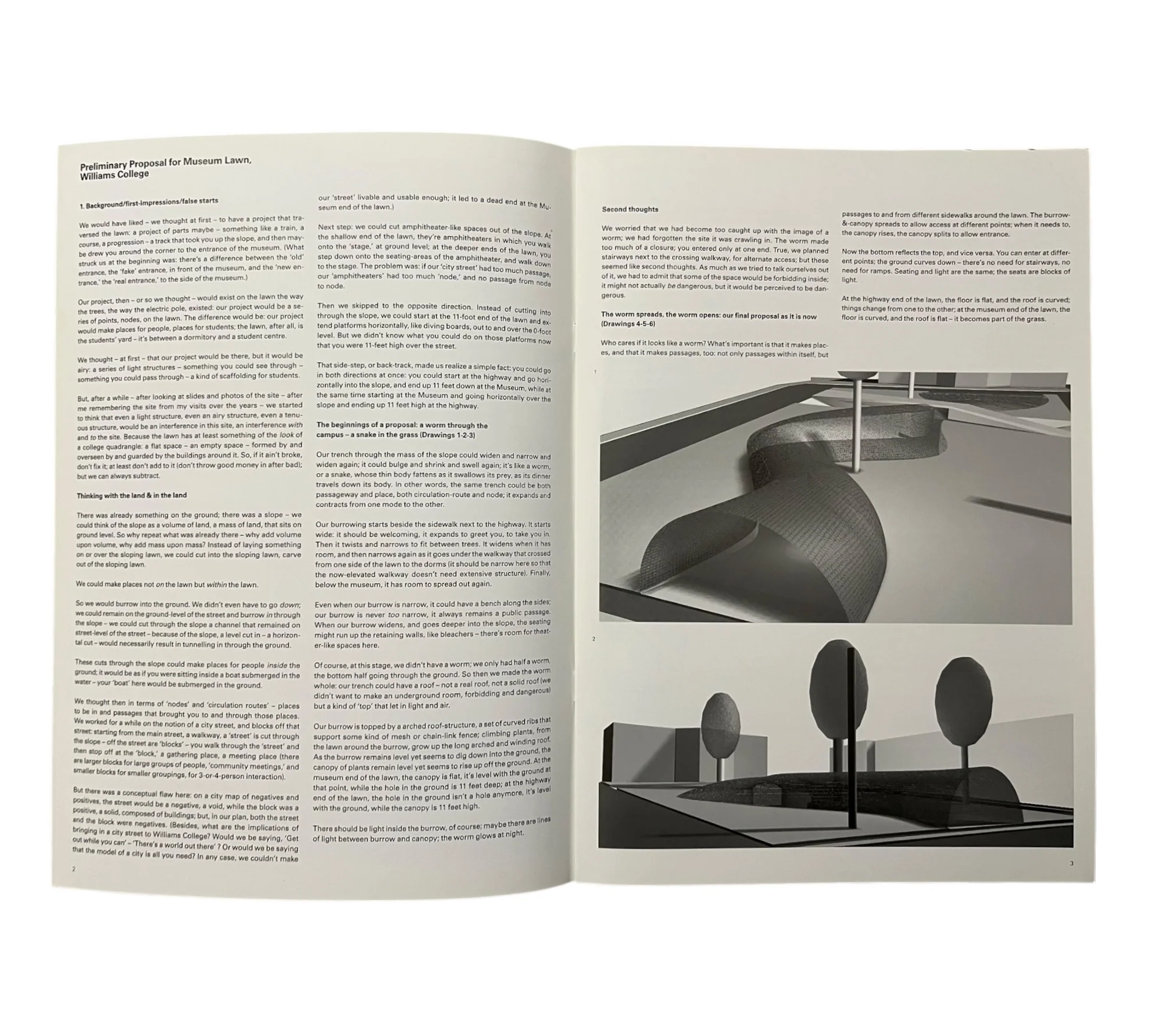
- Vito Acconci: Preliminary Proposal for museum lawn, Williams College
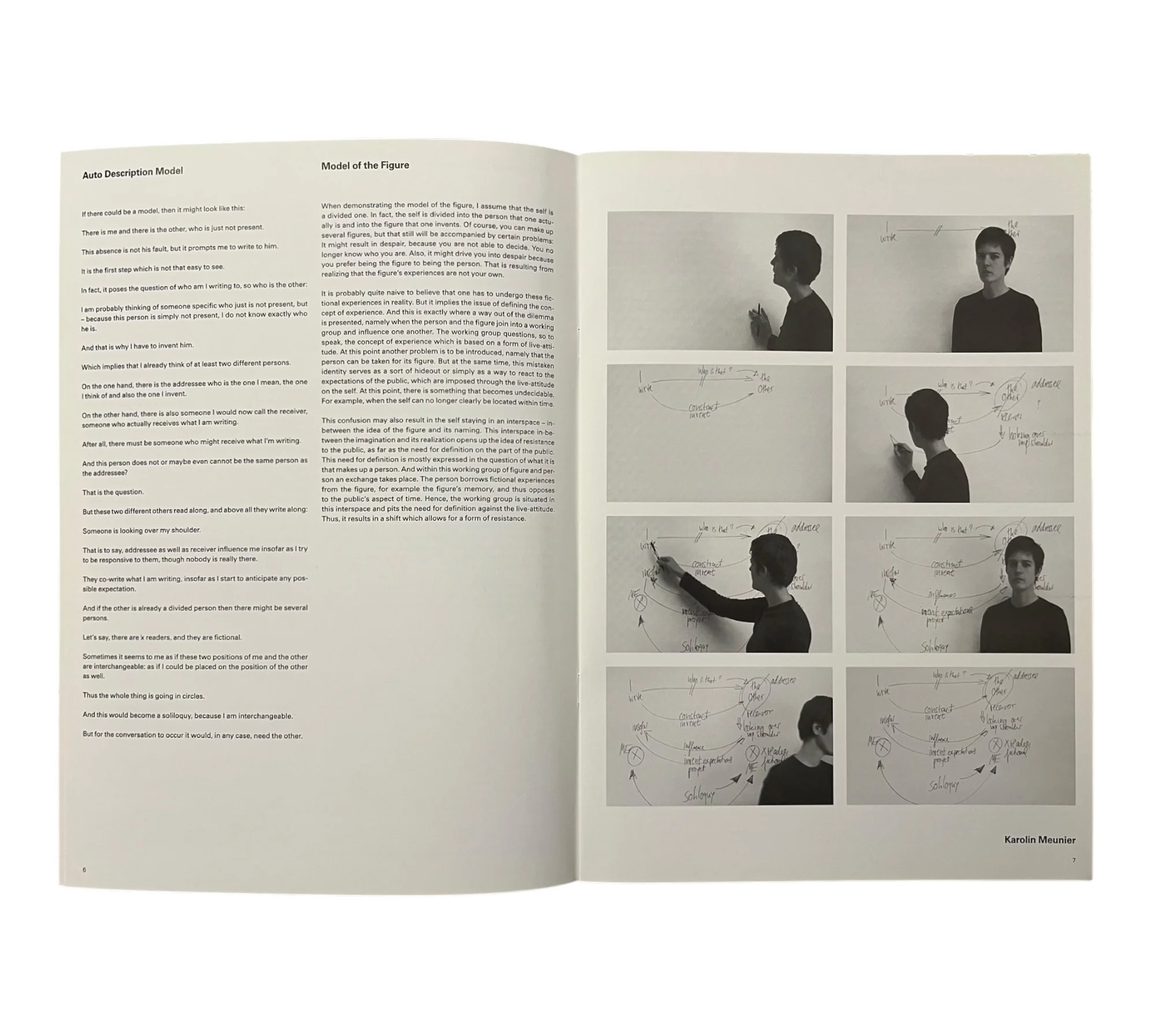
- Karolin Meunier: The Reference has Vanished
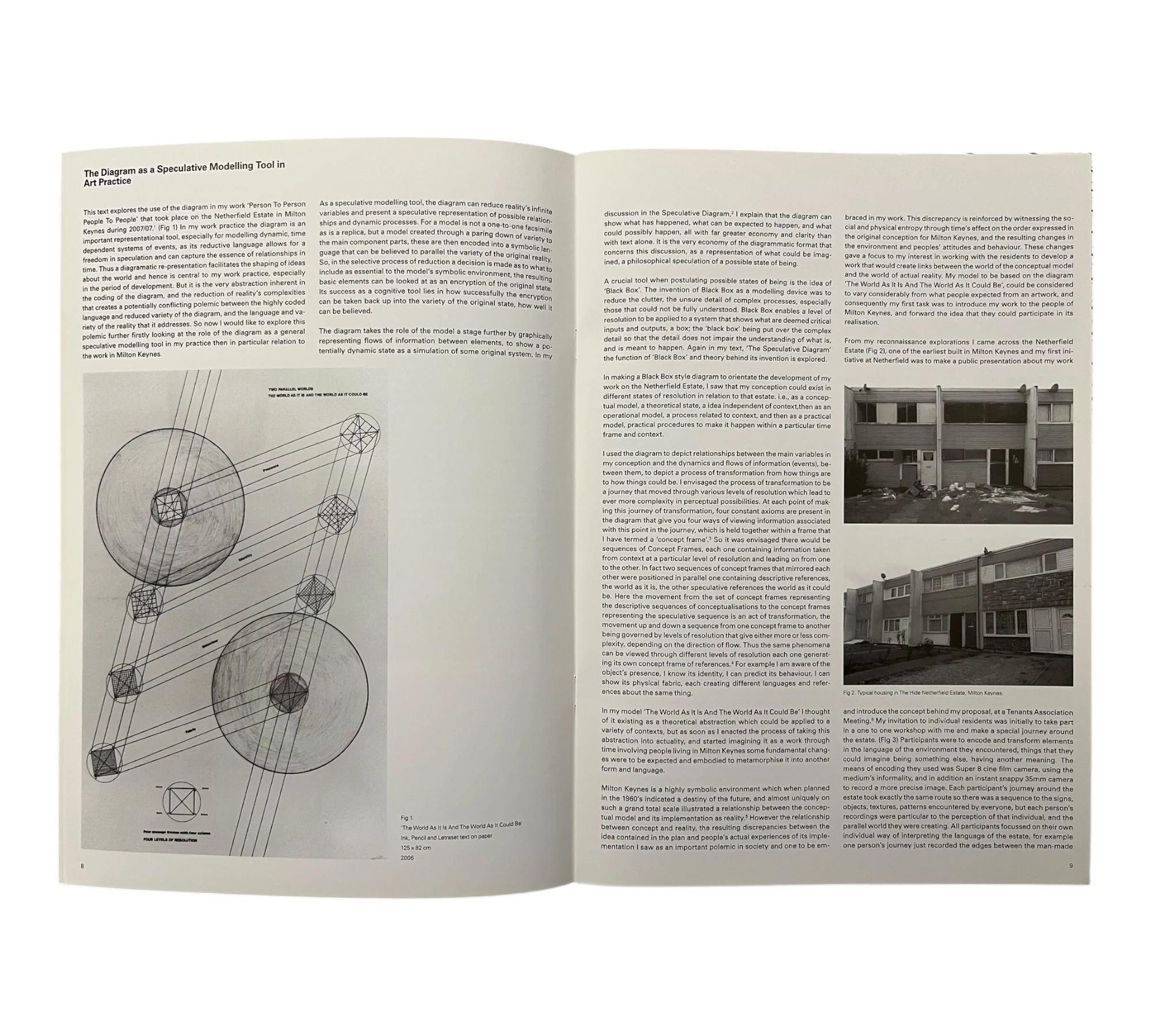
- Stephen Willats: The Diagram as a Speculative Modelling Tool in Art Practice
- Erwin van Doorn: Something is Missing, Basel/Kassel/Eindhoven 2007–2008
- Dan Mitchell: The Black and White pages of Control and Social Psychology
- Annette Krauss: Hidden Curriculum
- Thomas Hirschhorn: Presence and Production
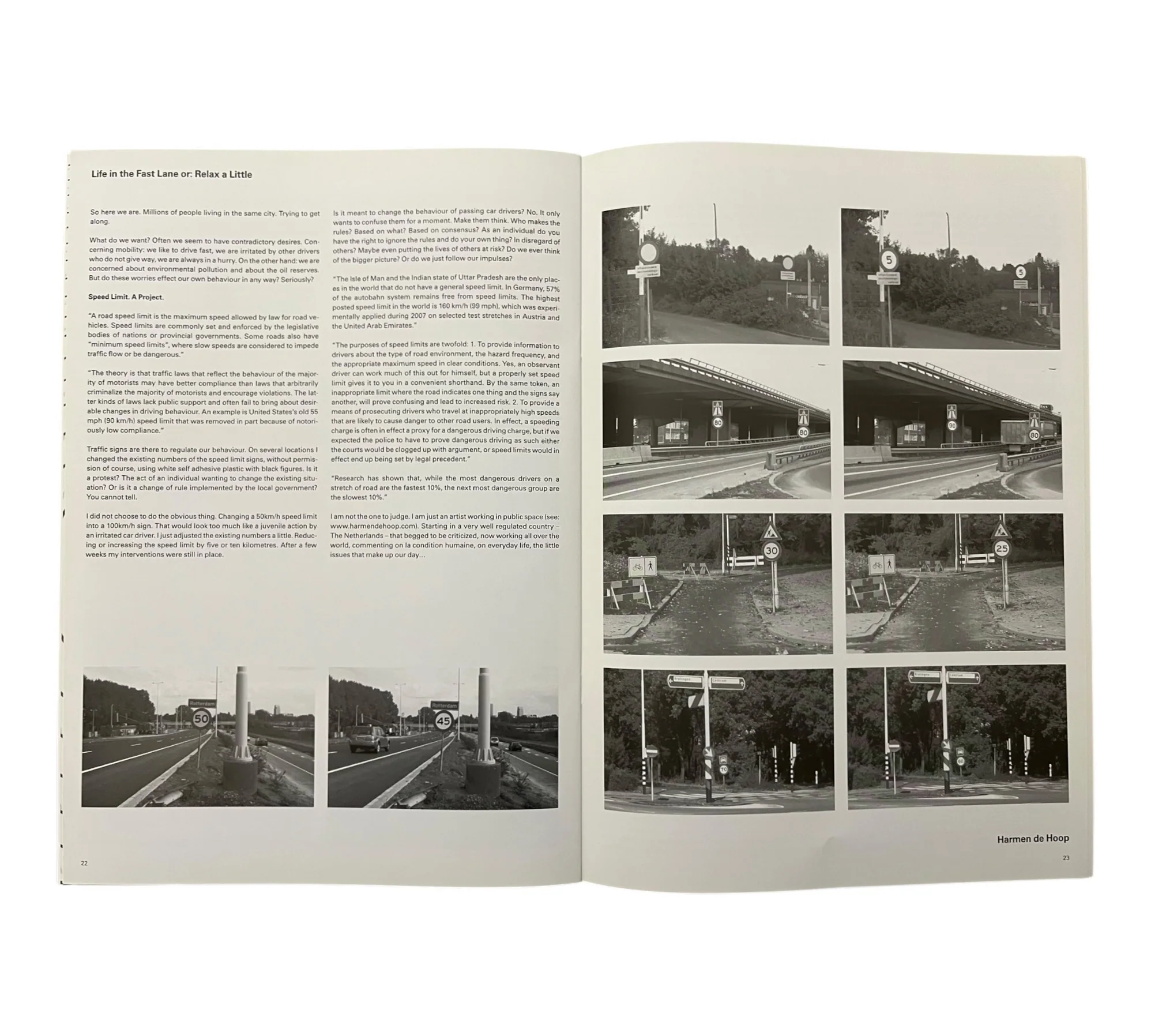
- Harmen de Hoop: Life in the Fast Lane or: Relax a Little
- Steve Rushton: Self-performance in the Social Studio
- Ricardo Basbaum: 9 Choreographic Diagrams
- Phil Coy: Notes for a Self-generating Script
About CONTROL Magazine
Founded in 1965 by the British artist and conceptual designer, Stephen Willats (born 1943), CONTROL remains one of the few artists' publications from the 1960s thriving to this day. The magazine acts as a vehicle for proposals and explanations of art practice between artists seeking to create a meaningful engagement with contemporary society.
Published and edited by Stephen Willats, this pioneering magazine has documented the work of many artists, both from the UK and abroad and encouraged a wide discussion of artists’ practices. It has included contributions and original pieces from an extensive range of artists over its eighteen issues. Since 1965, the magazine has published work and writing by over 150 artists, including John Latham, Roy Ascot, Anthony Benjamin, Dan Graham, Mary Kelly, Helen Chadwick, Tony Cragg, Dennis Adams, Lawrence Weiner, Anish Kapoor, Martha Rosler, Jeremy Deller, alongside collectives and collaboratives such as Gallerie in Friedrichstrasse, Artists Placement Group and early producer’s galleries such as that of Dieter Hacker. Many of the artists have made artwork specially for the magazine.
CONTROL Magazine’s function has always been to provide a resource for artists to discuss their work and, in particular, to make connections with other disciplines such as social or computer sciences, technology etc. Its eighteen issues provide a unique record of a specific area of art practice over four decades and this non-profit making publication has had an acknowledged influence on the practice of artists.
Original: $16.24
-65%$16.24
$5.68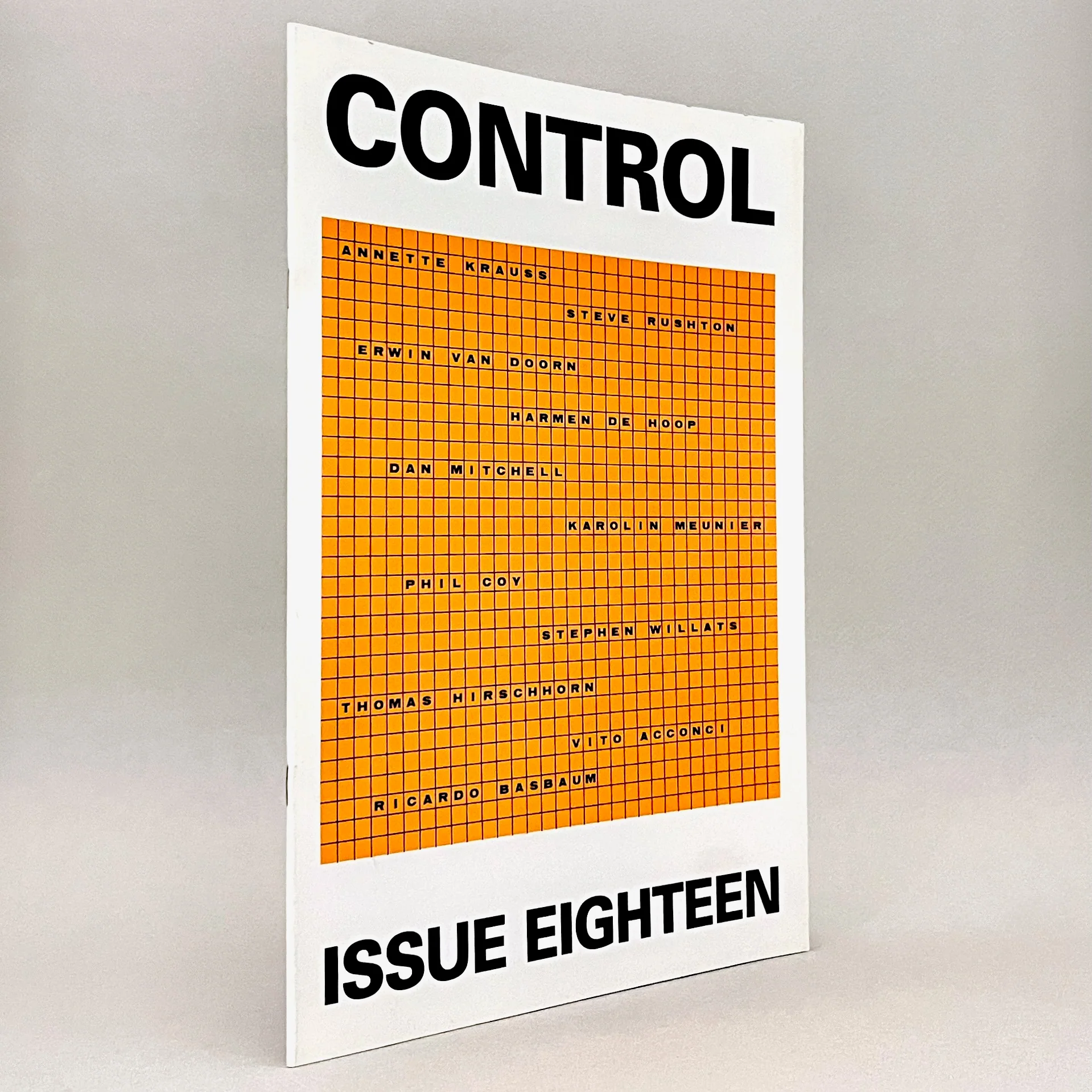

Description
Softcover | 23.2 x 30.3 cm | 28 pp
Control Magazine | 2009
Despite the forwarding of new forms of socially based and engaged art practice by artists, a feature of culture in the last decades has been the ethos surrounding the possession of art objects. Art as property has not only persisted in our culture but has been celebrated and projected as a dominate emulative icon. What cannot be ignored at the time of producing CONTROL Magazine, Issue Eighteen, is the sudden collapse of the financial markets that supported an inflated bubble. A bubble, which fostered the art object as financial investment.
This issue presents texts by artists that offer a vision, a way forward which connects with people, to externalise their work into the real world today. Here a group of texts are presented by artists in response cultural events and are offering strategies for the expression of social and community values in art practice.
Contributors
- Vito Acconci: Preliminary Proposal for museum lawn, Williams College
- Karolin Meunier: The Reference has Vanished
- Stephen Willats: The Diagram as a Speculative Modelling Tool in Art Practice
- Erwin van Doorn: Something is Missing, Basel/Kassel/Eindhoven 2007–2008
- Dan Mitchell: The Black and White pages of Control and Social Psychology
- Annette Krauss: Hidden Curriculum
- Thomas Hirschhorn: Presence and Production
- Harmen de Hoop: Life in the Fast Lane or: Relax a Little
- Steve Rushton: Self-performance in the Social Studio
- Ricardo Basbaum: 9 Choreographic Diagrams
- Phil Coy: Notes for a Self-generating Script
About CONTROL Magazine
Founded in 1965 by the British artist and conceptual designer, Stephen Willats (born 1943), CONTROL remains one of the few artists' publications from the 1960s thriving to this day. The magazine acts as a vehicle for proposals and explanations of art practice between artists seeking to create a meaningful engagement with contemporary society.
Published and edited by Stephen Willats, this pioneering magazine has documented the work of many artists, both from the UK and abroad and encouraged a wide discussion of artists’ practices. It has included contributions and original pieces from an extensive range of artists over its eighteen issues. Since 1965, the magazine has published work and writing by over 150 artists, including John Latham, Roy Ascot, Anthony Benjamin, Dan Graham, Mary Kelly, Helen Chadwick, Tony Cragg, Dennis Adams, Lawrence Weiner, Anish Kapoor, Martha Rosler, Jeremy Deller, alongside collectives and collaboratives such as Gallerie in Friedrichstrasse, Artists Placement Group and early producer’s galleries such as that of Dieter Hacker. Many of the artists have made artwork specially for the magazine.
CONTROL Magazine’s function has always been to provide a resource for artists to discuss their work and, in particular, to make connections with other disciplines such as social or computer sciences, technology etc. Its eighteen issues provide a unique record of a specific area of art practice over four decades and this non-profit making publication has had an acknowledged influence on the practice of artists.