Craft in the Laboratory: The Science of Making Things
Hardcover | 22.23 x 1.27 x 28.58 cm | 96 pp
D Giles | 2022 | 9781911282723
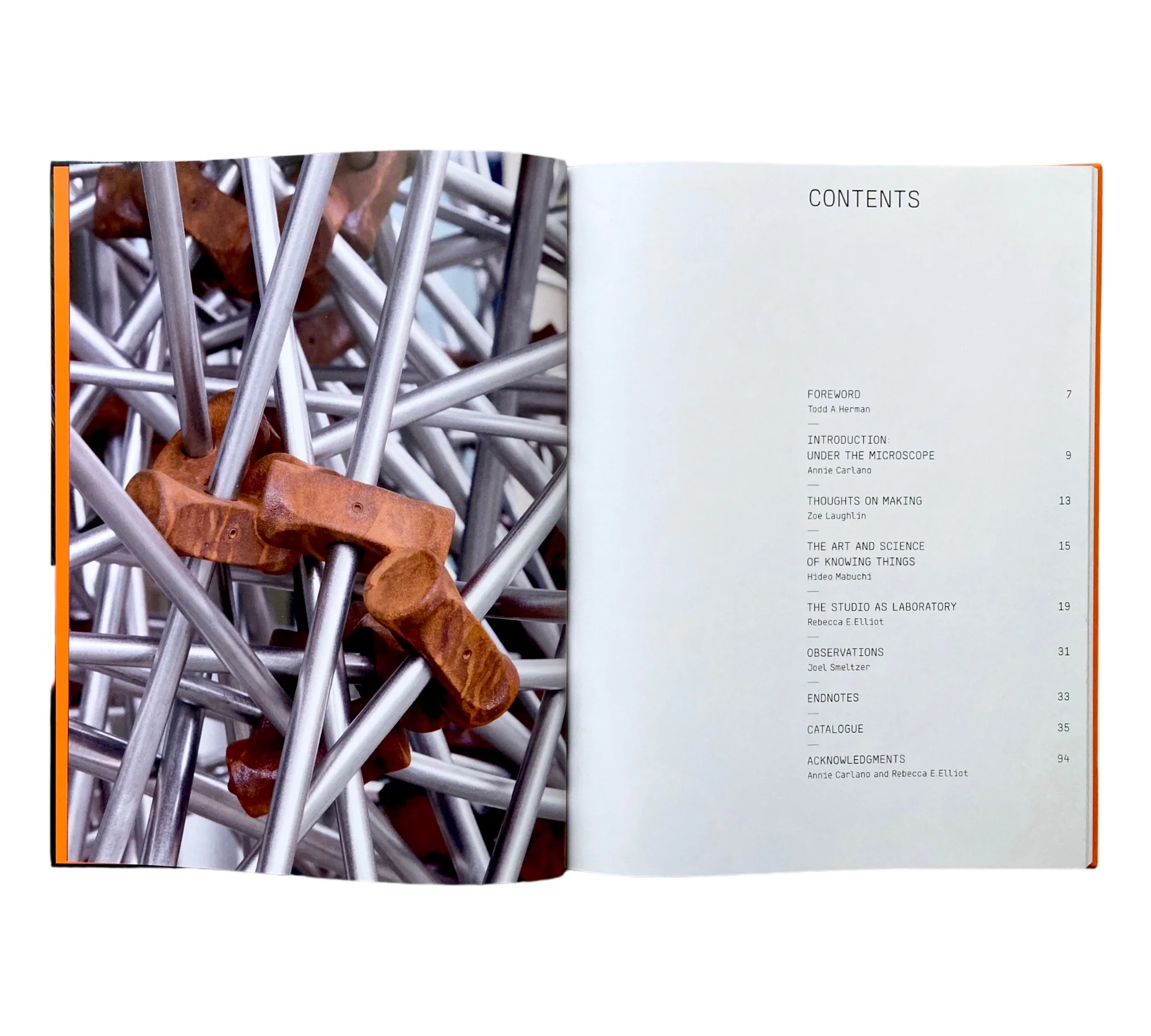
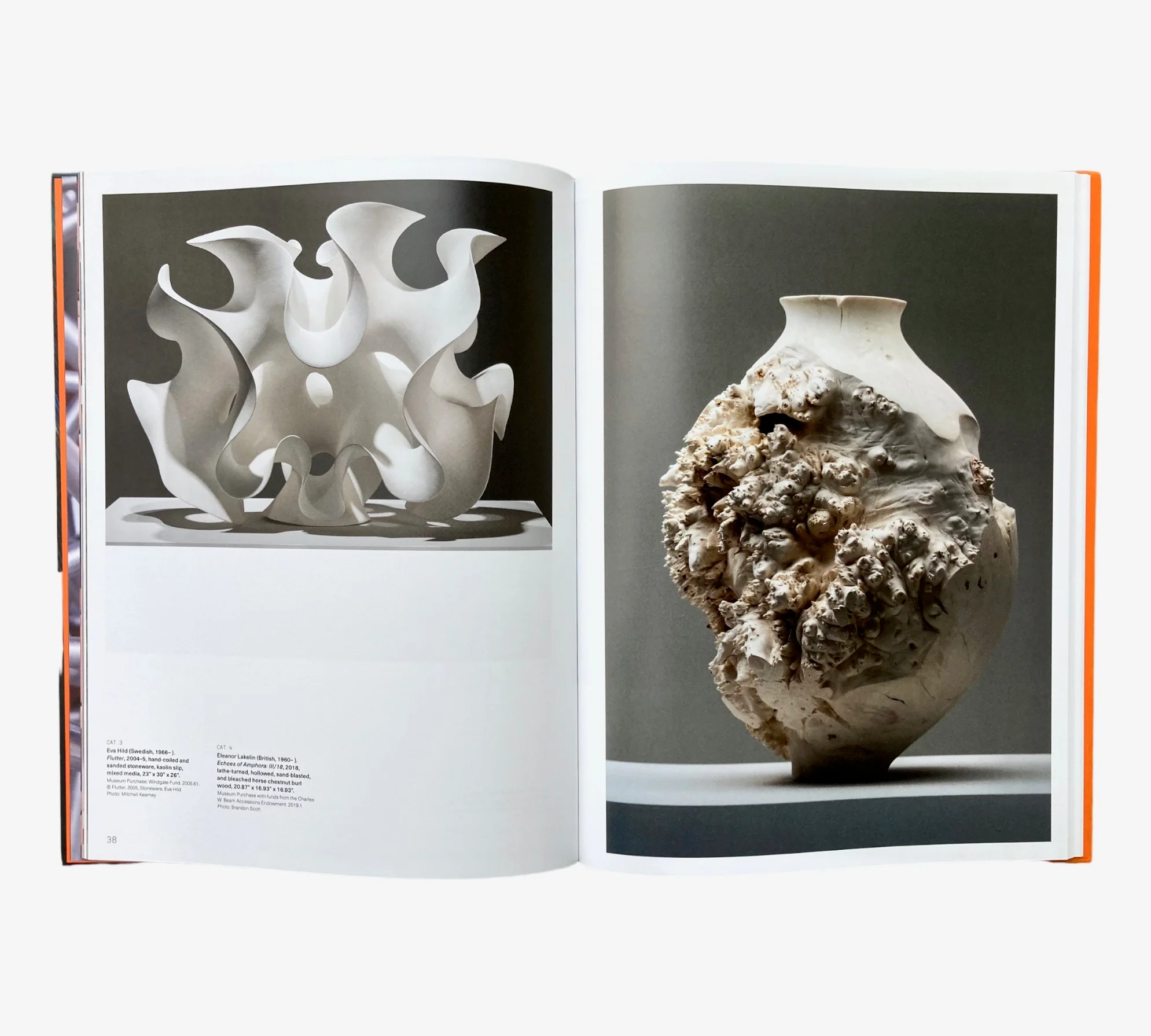
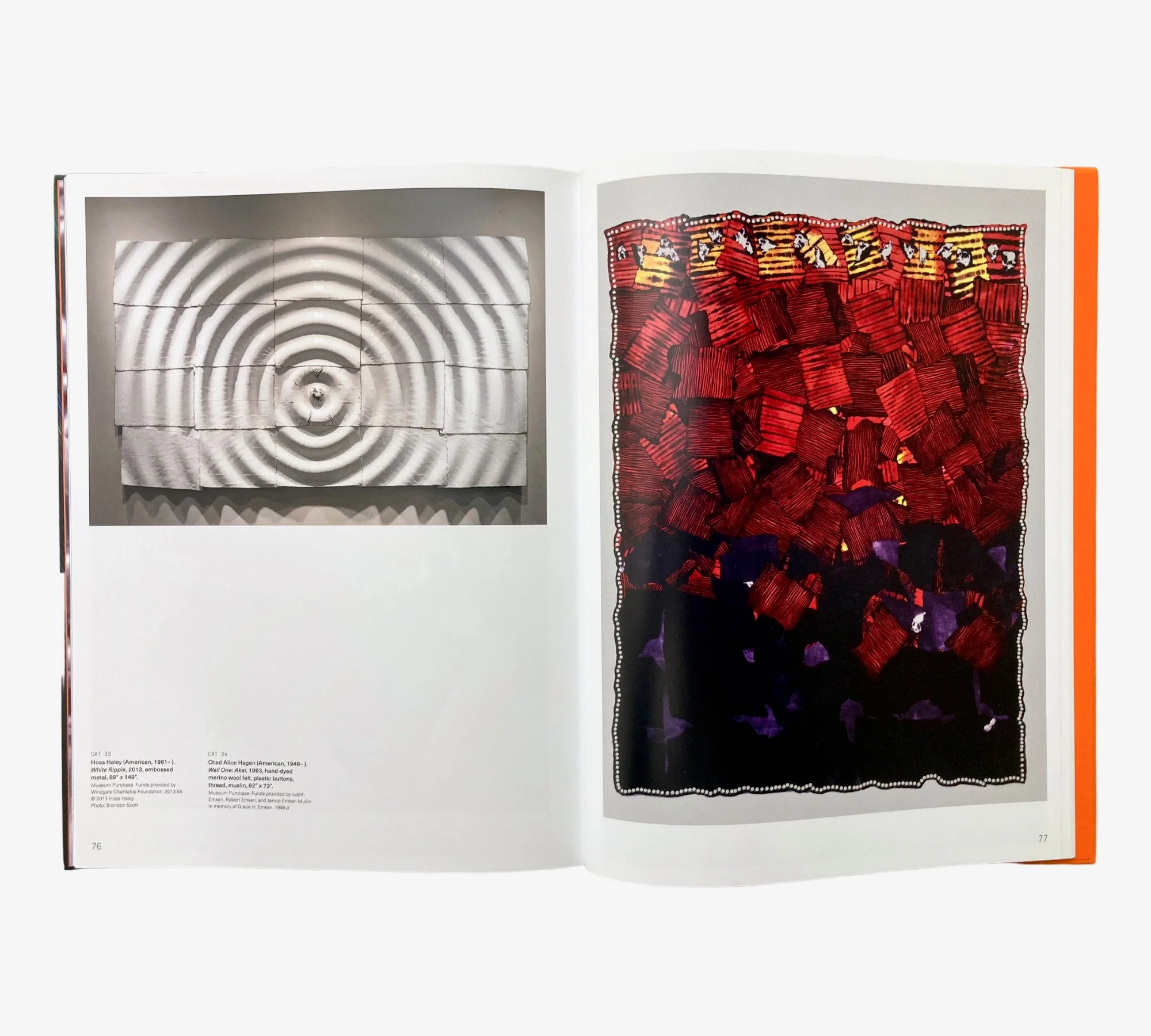
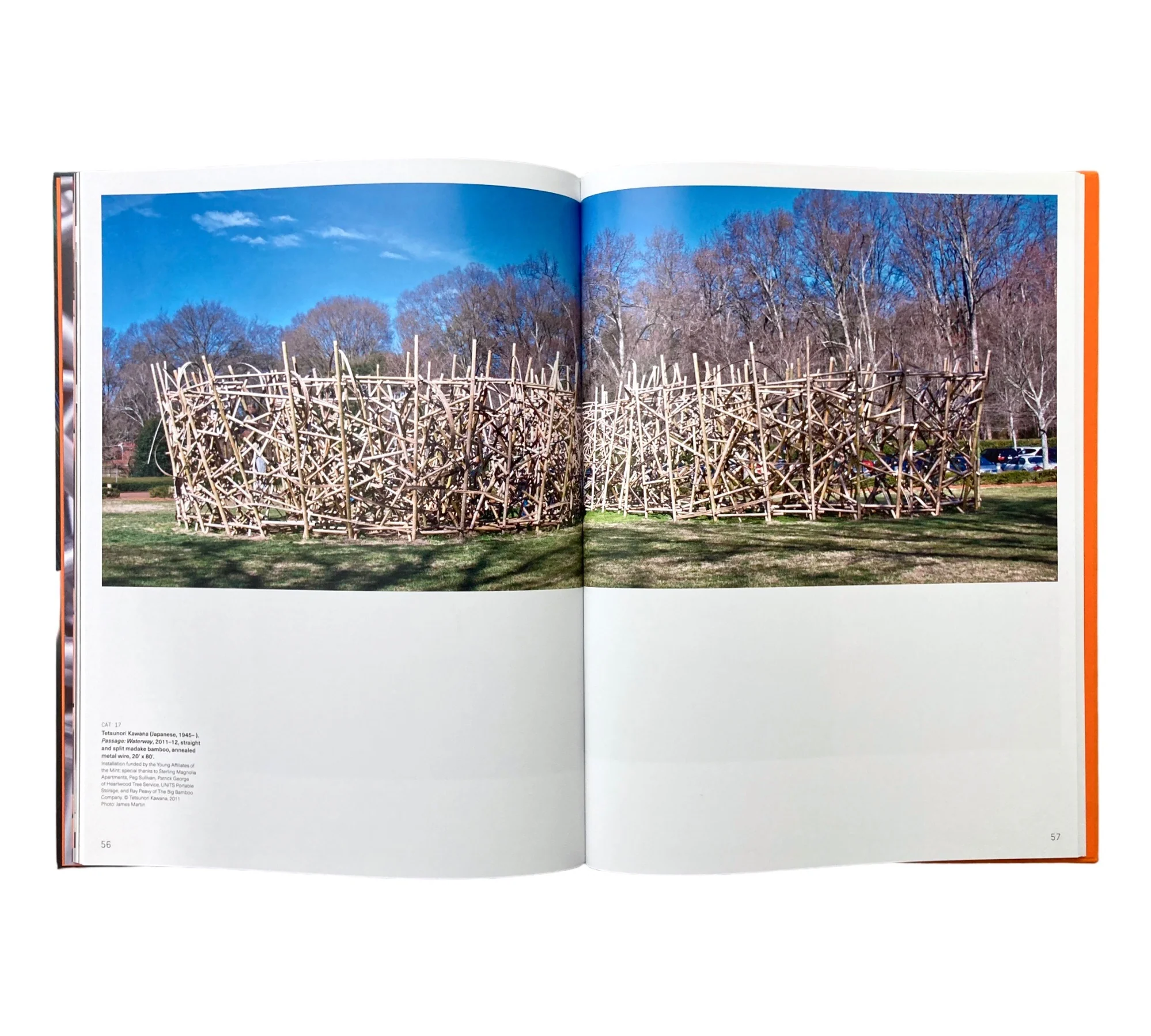
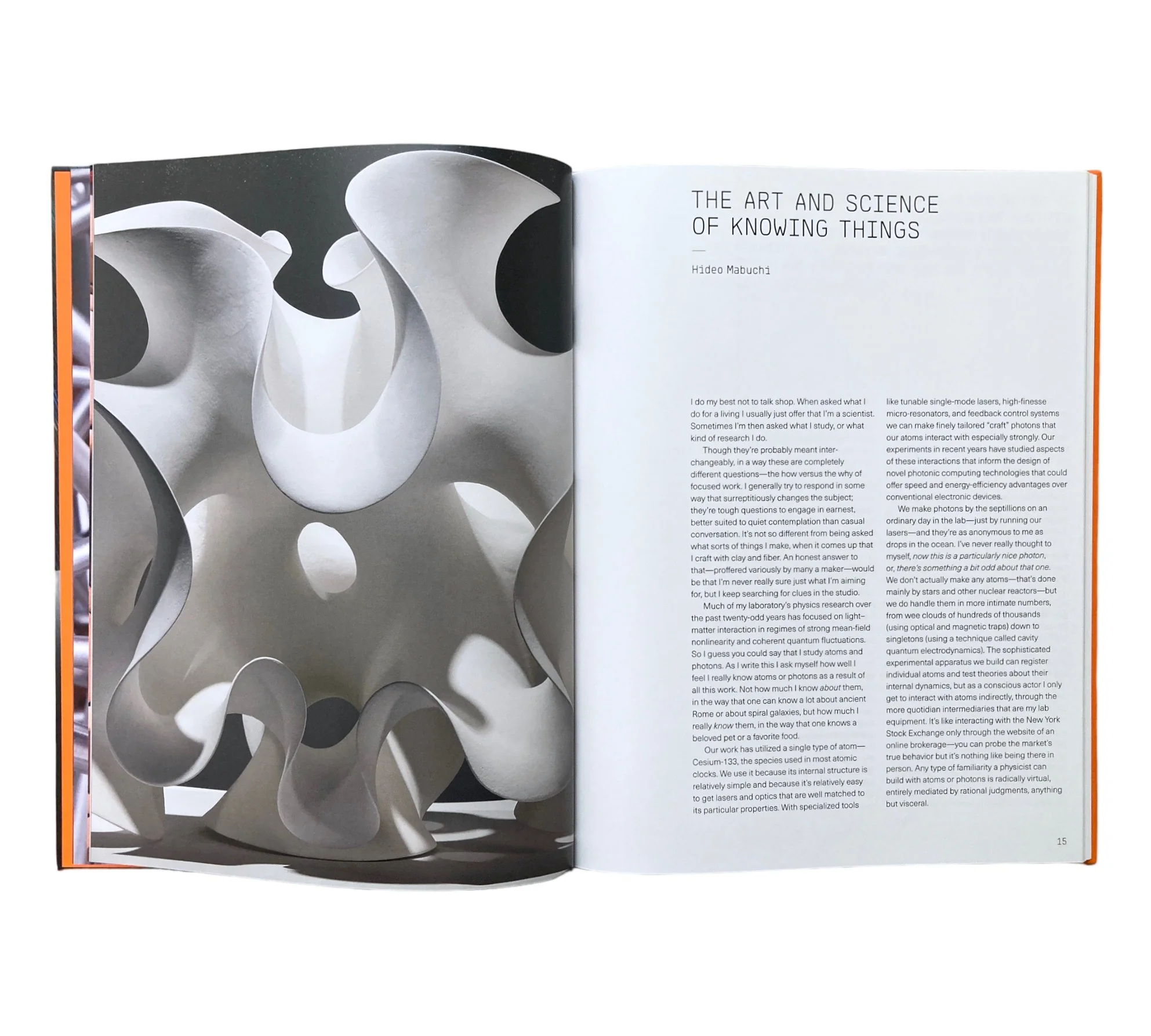
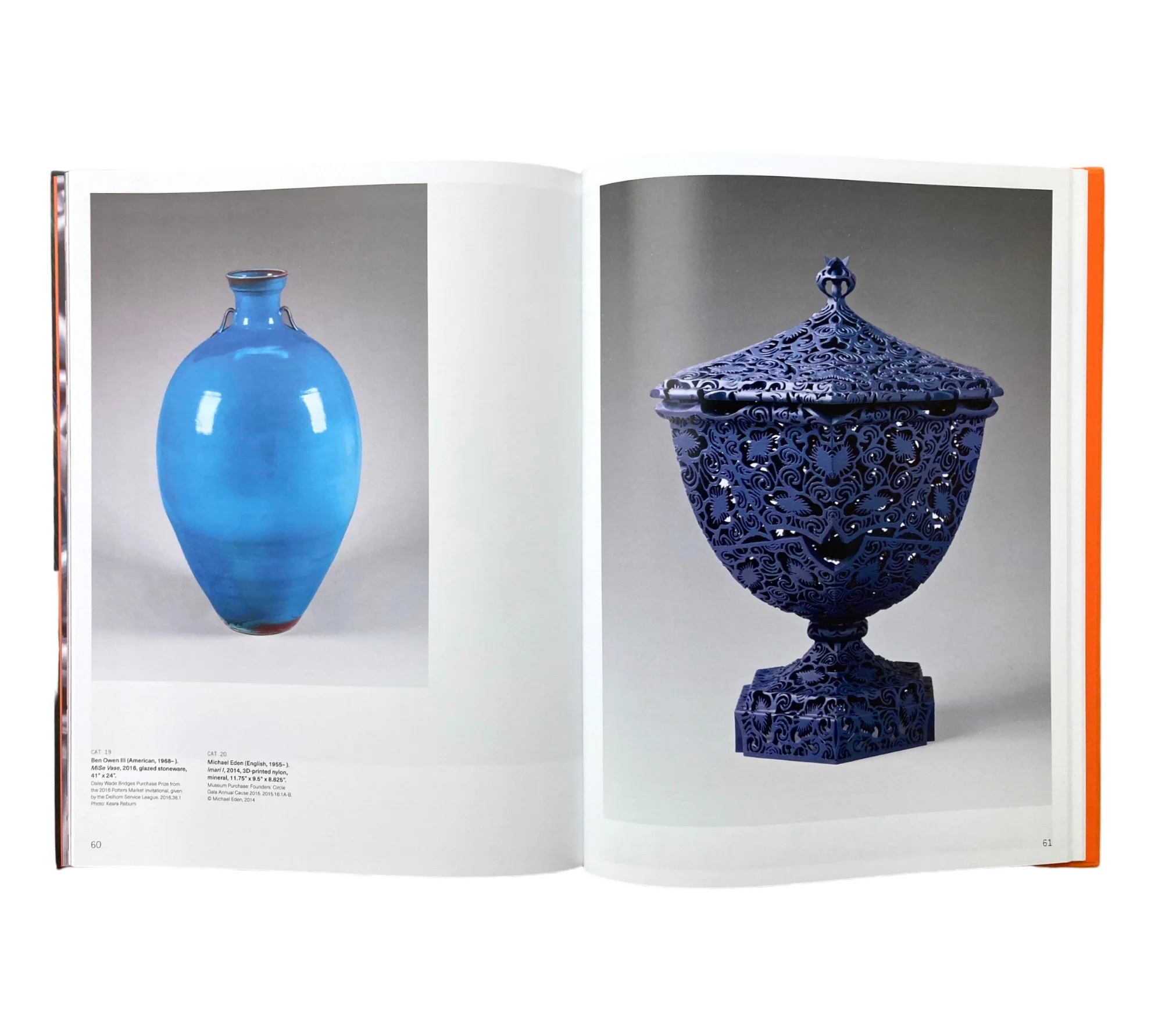
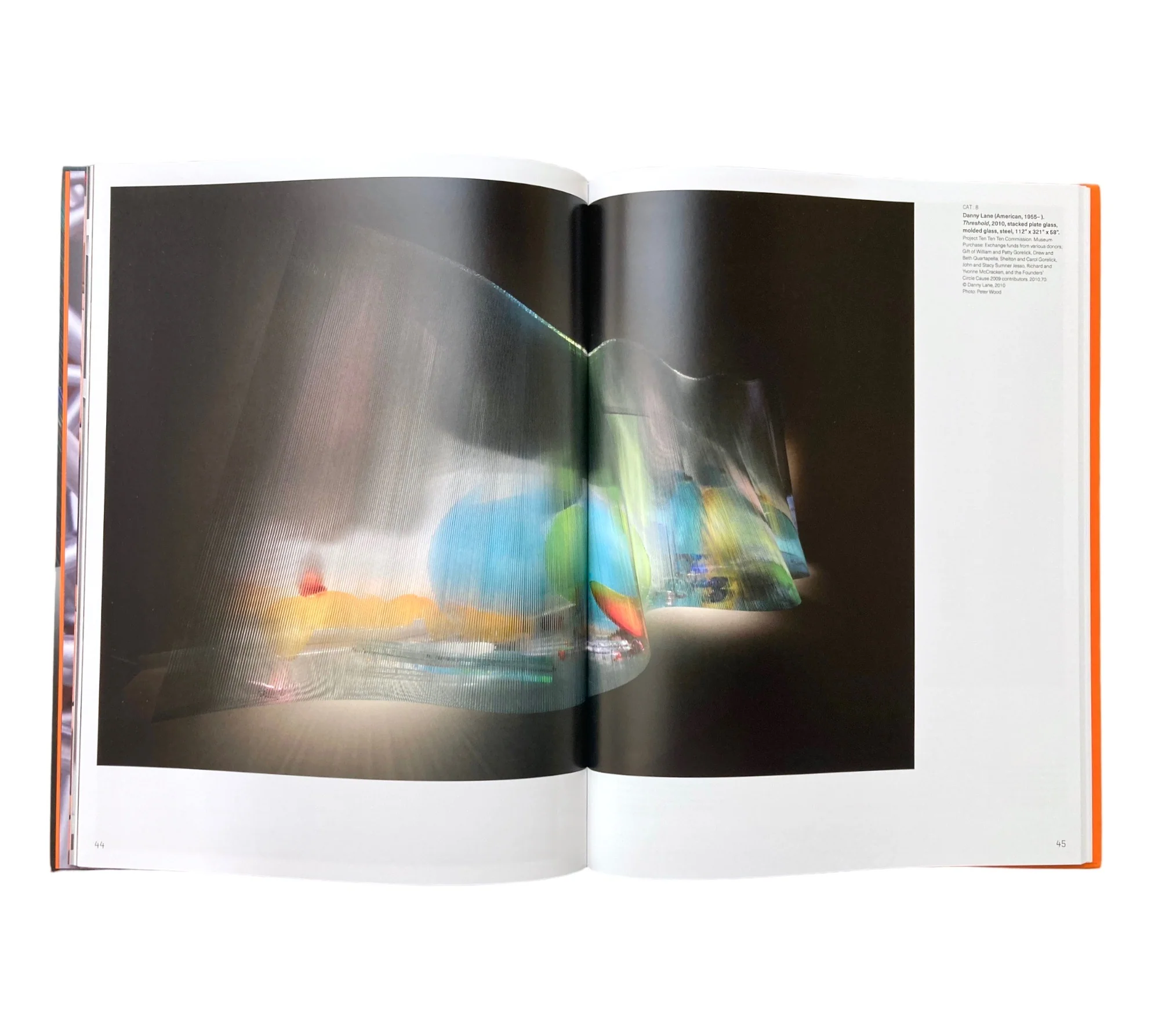
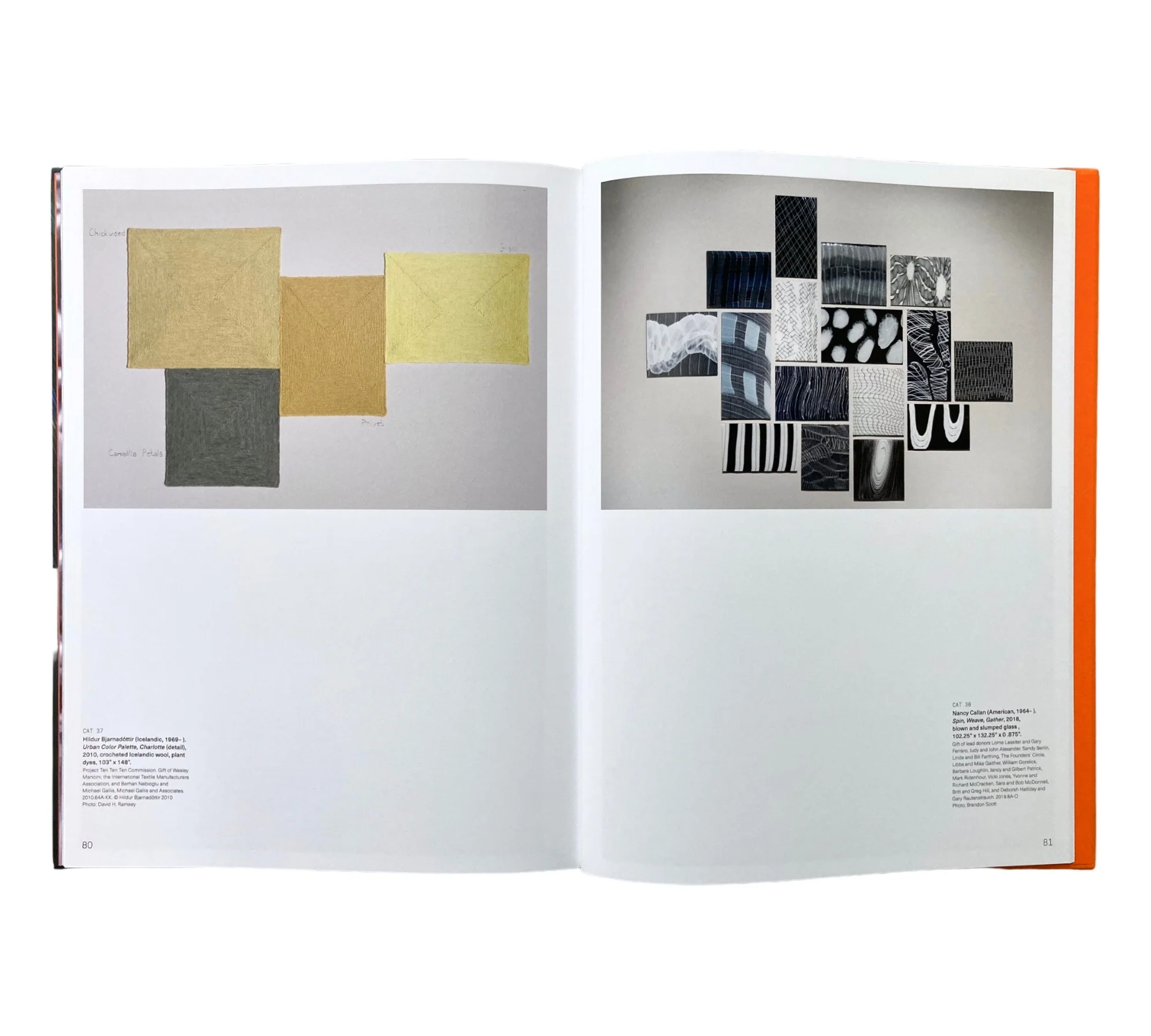
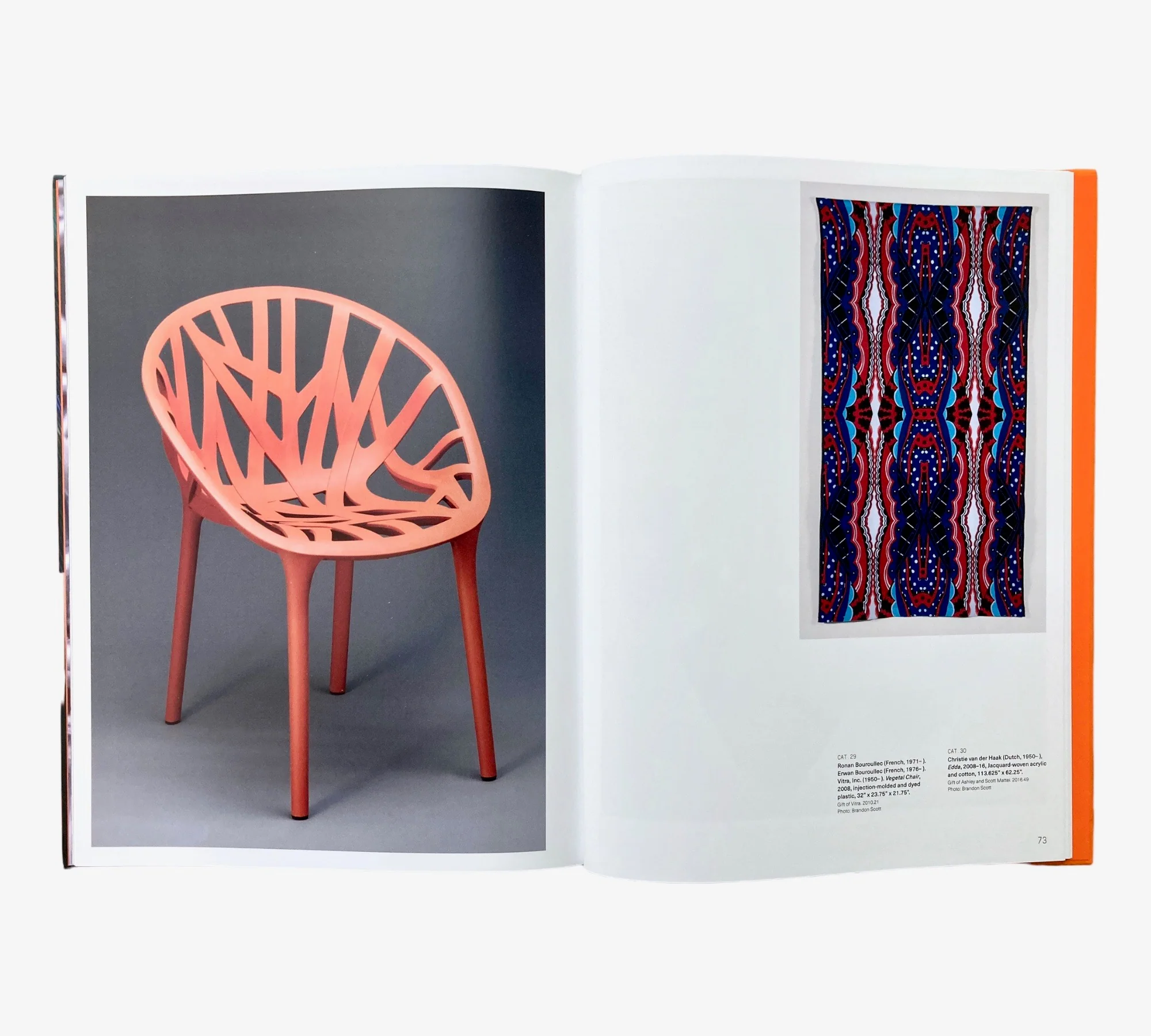
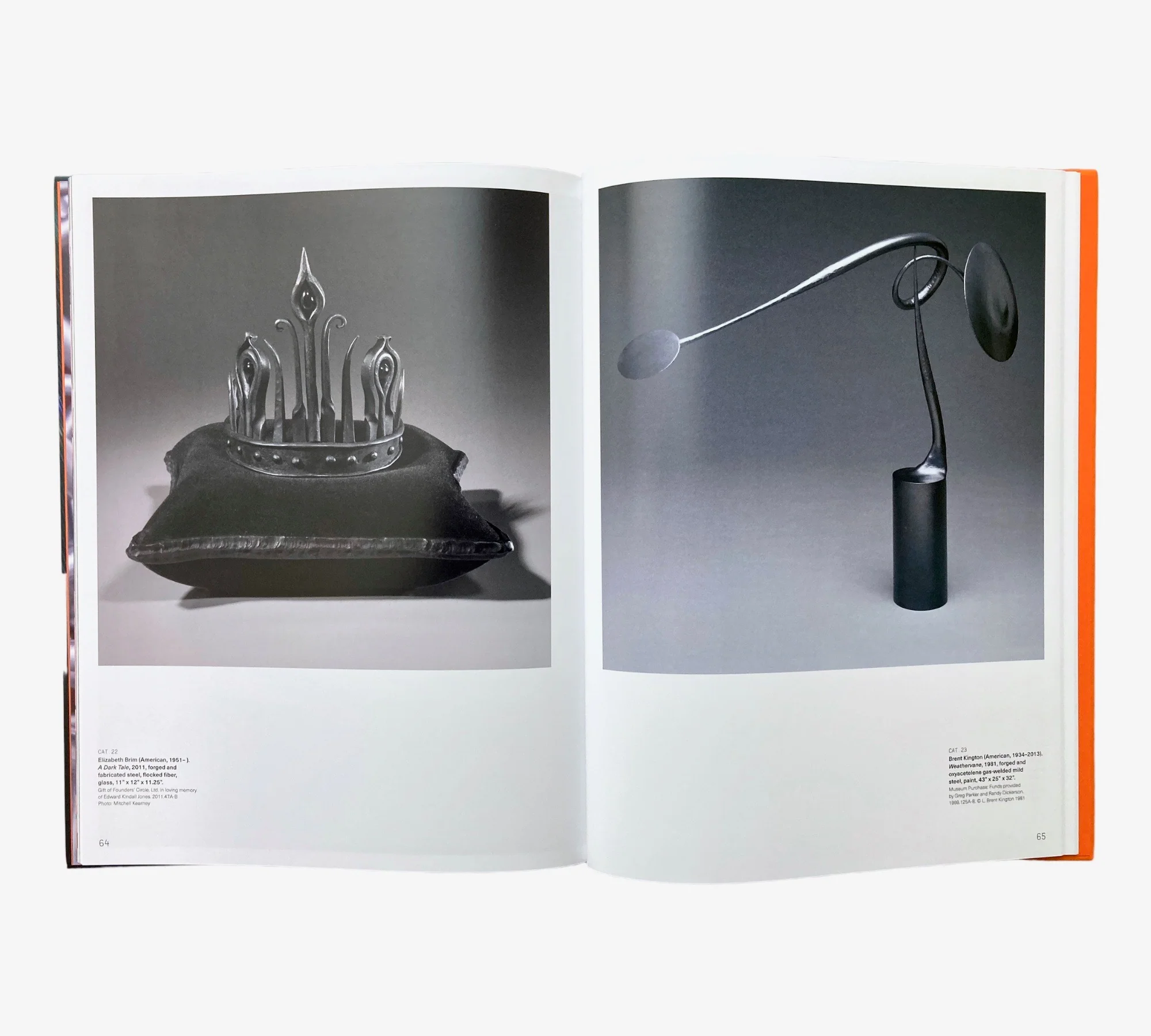
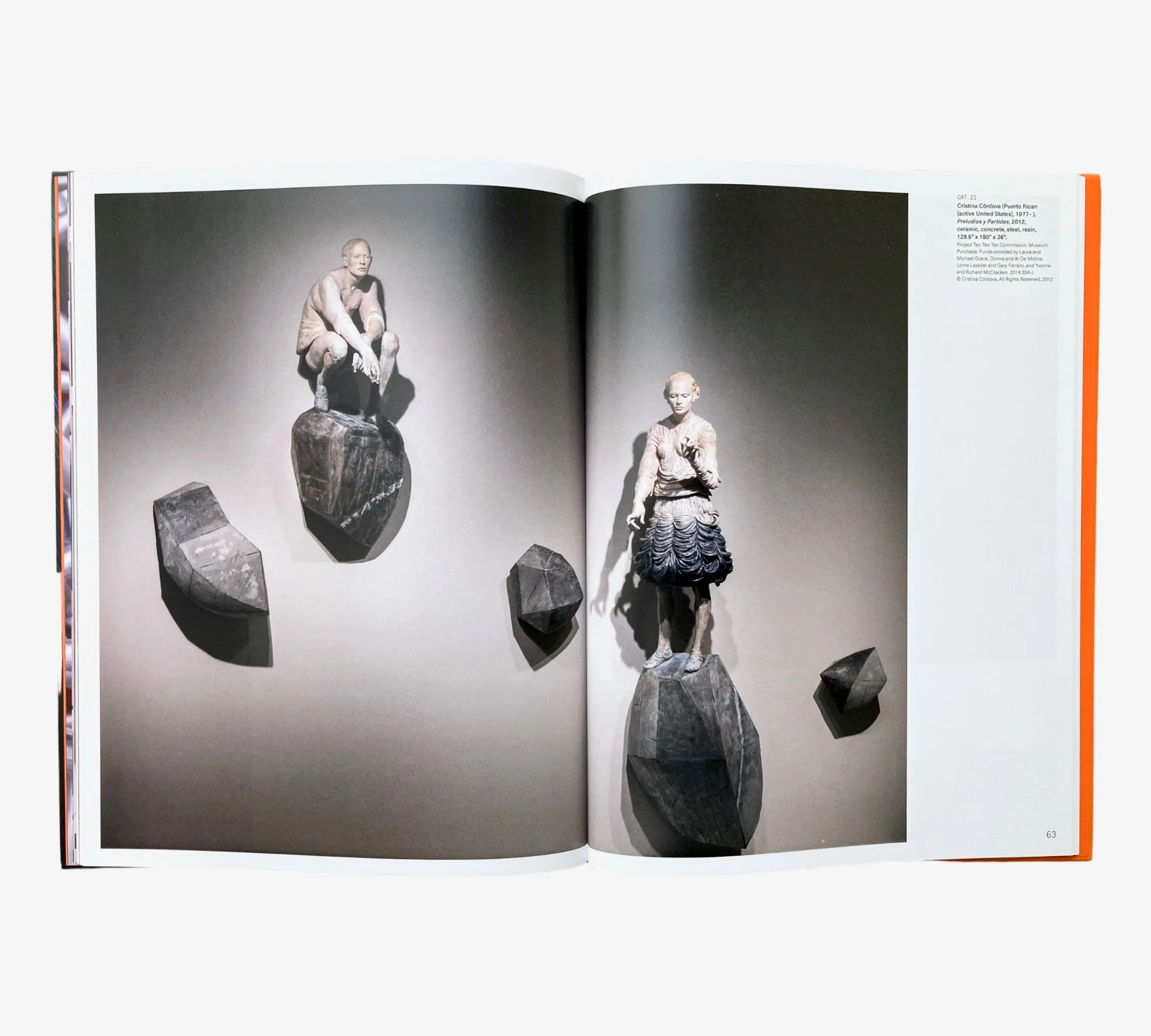
Drawn from the Mint Museum of Art’s renowned permanent collection of craft and design in all media―ceramic, pottery, wood, metal, glass, fibre, textiles and design―Craft in the Laboratory highlights how contemporary makers use STEM (science, technology, engineering and mathematics) processes and principles when creating their work.
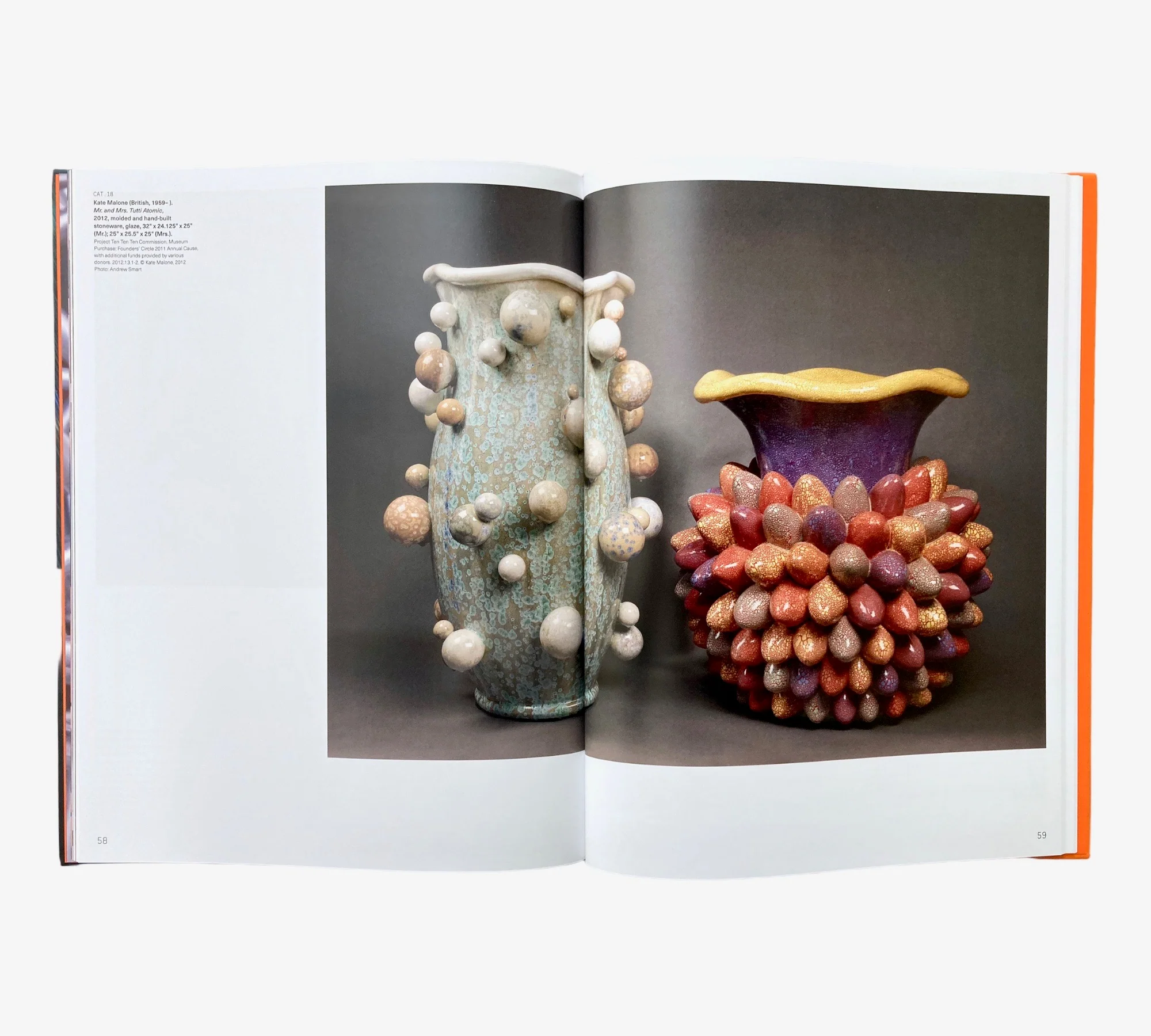
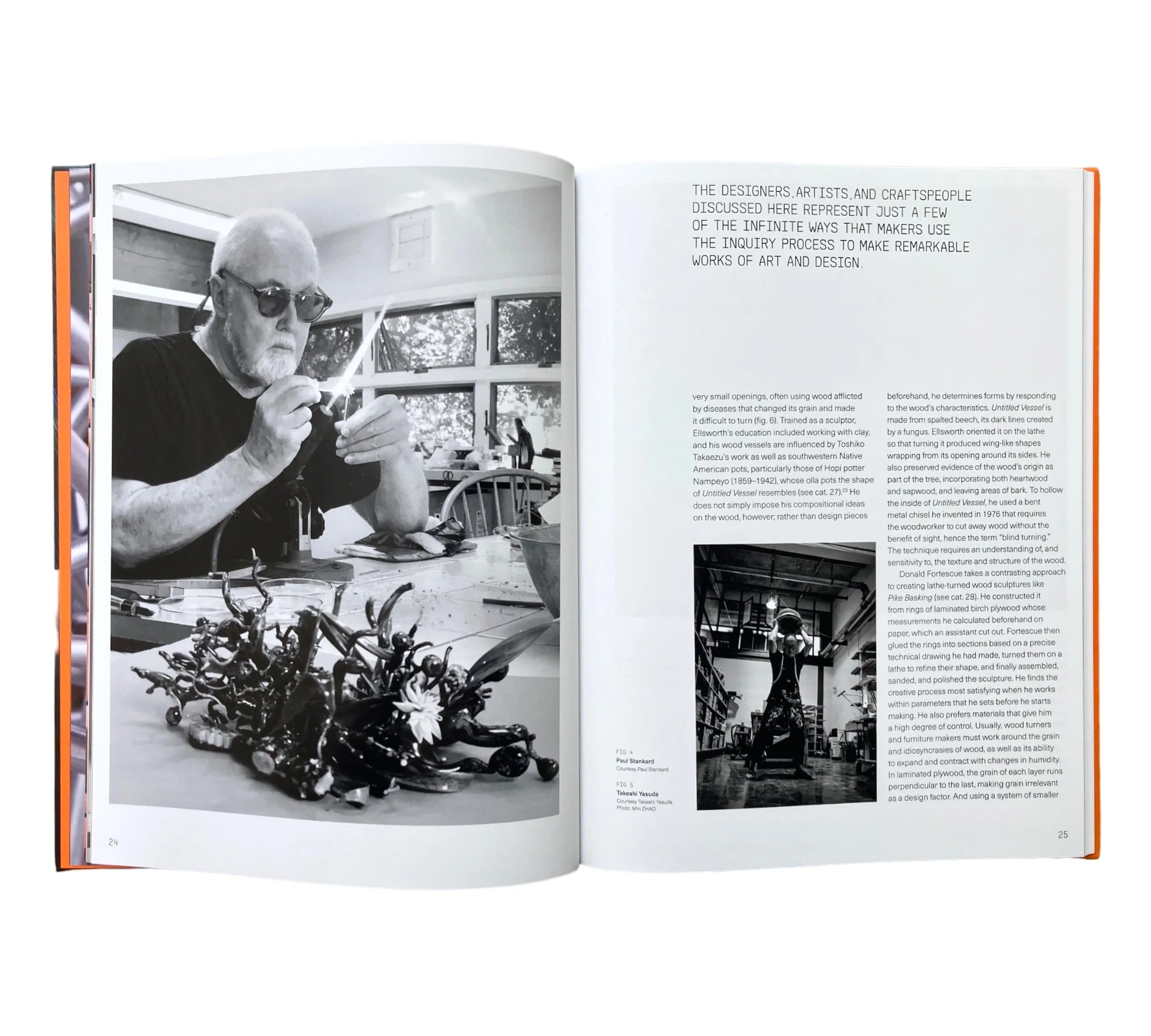
Craft in the Laboratory includes essays that discuss the technical aspects of materials and processes. Kate Malone’s knowledge of the chemistry of clay bodies and glazes is employed in her production of sculptures such as Mr. and Mrs. Tutti Atomic. Douglas Harling made Vishnu Dreams using the ancient technique of granulation, aided by his understanding of the roles of surface tension, oxygen reduction, and eutectic bonds in fusing gold granules to a surface. Zoltán Bohus carefully planned the layers of glass in Stratofera on paper before creating it, using his knowledge of geometry and the prismatic qualities of glass.
Original: $20.30
-65%$20.30
$7.10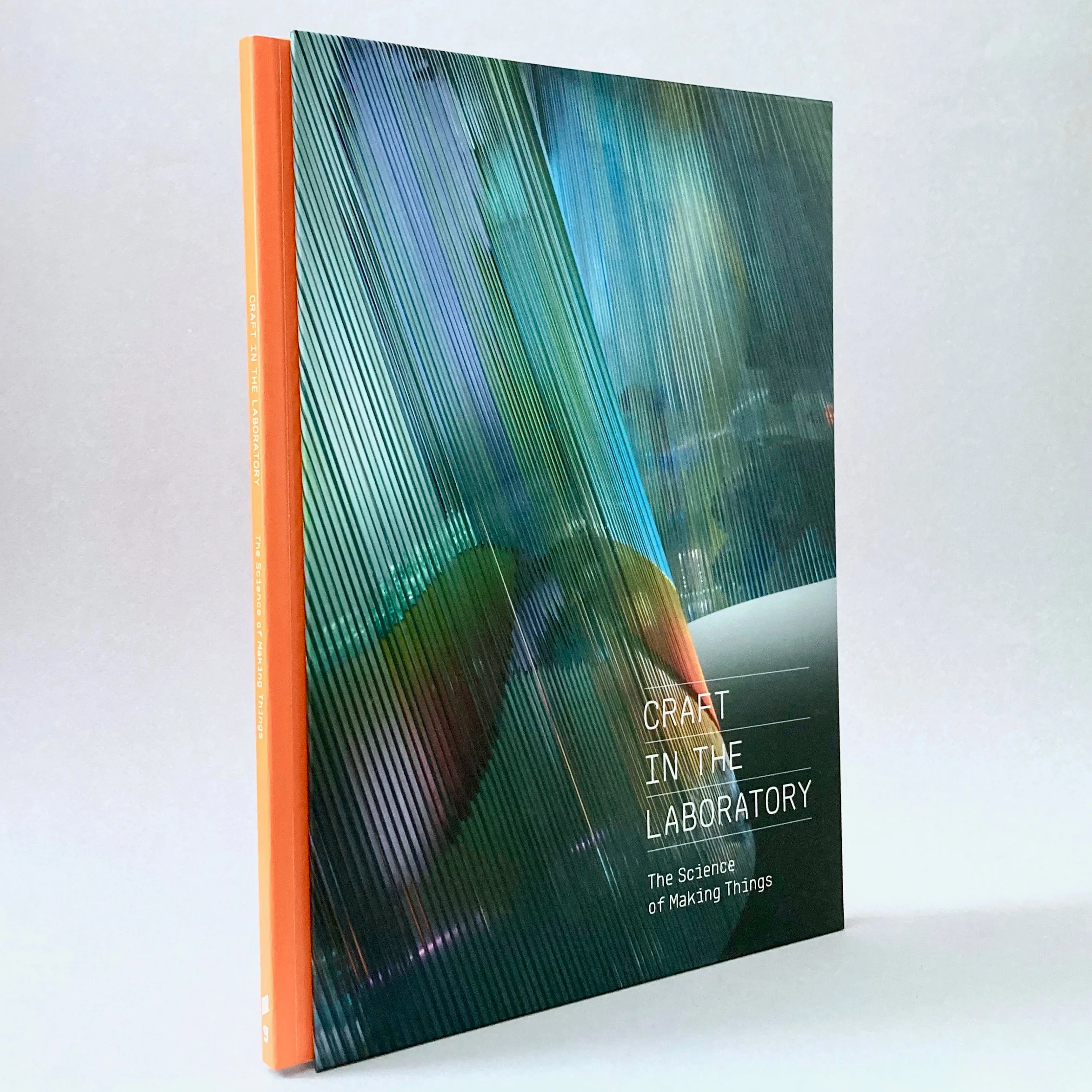
Description
Hardcover | 22.23 x 1.27 x 28.58 cm | 96 pp
D Giles | 2022 | 9781911282723
Drawn from the Mint Museum of Art’s renowned permanent collection of craft and design in all media―ceramic, pottery, wood, metal, glass, fibre, textiles and design―Craft in the Laboratory highlights how contemporary makers use STEM (science, technology, engineering and mathematics) processes and principles when creating their work.
Craft in the Laboratory includes essays that discuss the technical aspects of materials and processes. Kate Malone’s knowledge of the chemistry of clay bodies and glazes is employed in her production of sculptures such as Mr. and Mrs. Tutti Atomic. Douglas Harling made Vishnu Dreams using the ancient technique of granulation, aided by his understanding of the roles of surface tension, oxygen reduction, and eutectic bonds in fusing gold granules to a surface. Zoltán Bohus carefully planned the layers of glass in Stratofera on paper before creating it, using his knowledge of geometry and the prismatic qualities of glass.