Baselitz Im Atelier
Hardcover | 19.3 x 1.5 x 27.5 cm | 128 pp
Hall Art Foundation | 2023 | 9798985145151
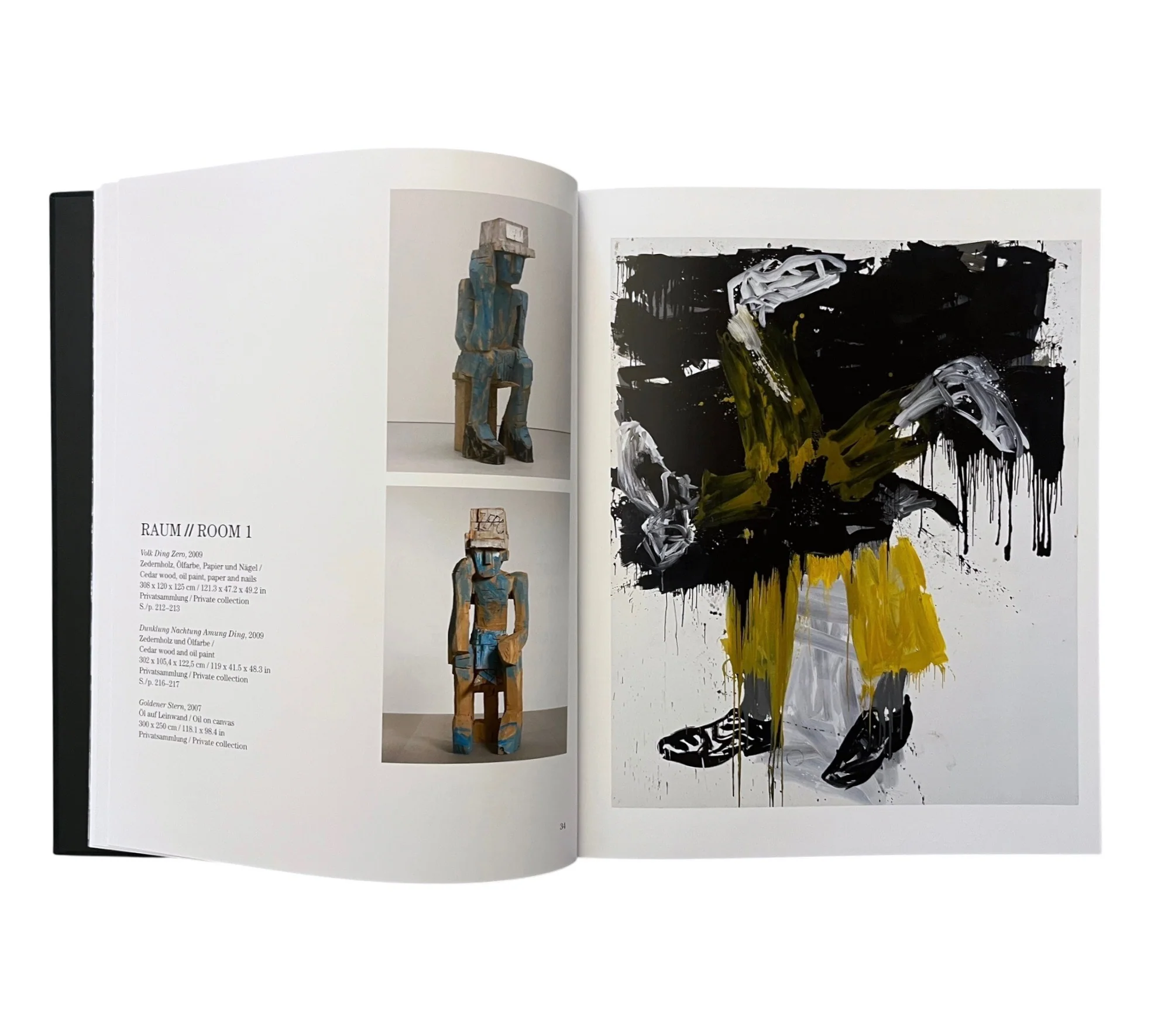
Georg Baselitz is possibly best known for his paintings of inverted figures, animals, landscapes and still-lives that emerged in 1969. Engaging these classic figurative motifs, Baselitz created upside down works in order to re-focus the viewer on the abstract qualities of his compositions rather than their representational aspects. Drawing inspiration from a broad range of influences, his novel mix of representation and abstraction allowed him to conflate the competing aesthetics of East and West Germany prevalent at the time. Of his inverted subjects, Baselitz has said: “I must take everything which has been an object of painting – landscape, the portrait and the nude, for example – and paint it upside-down. That is the way to liberate representation from content.”
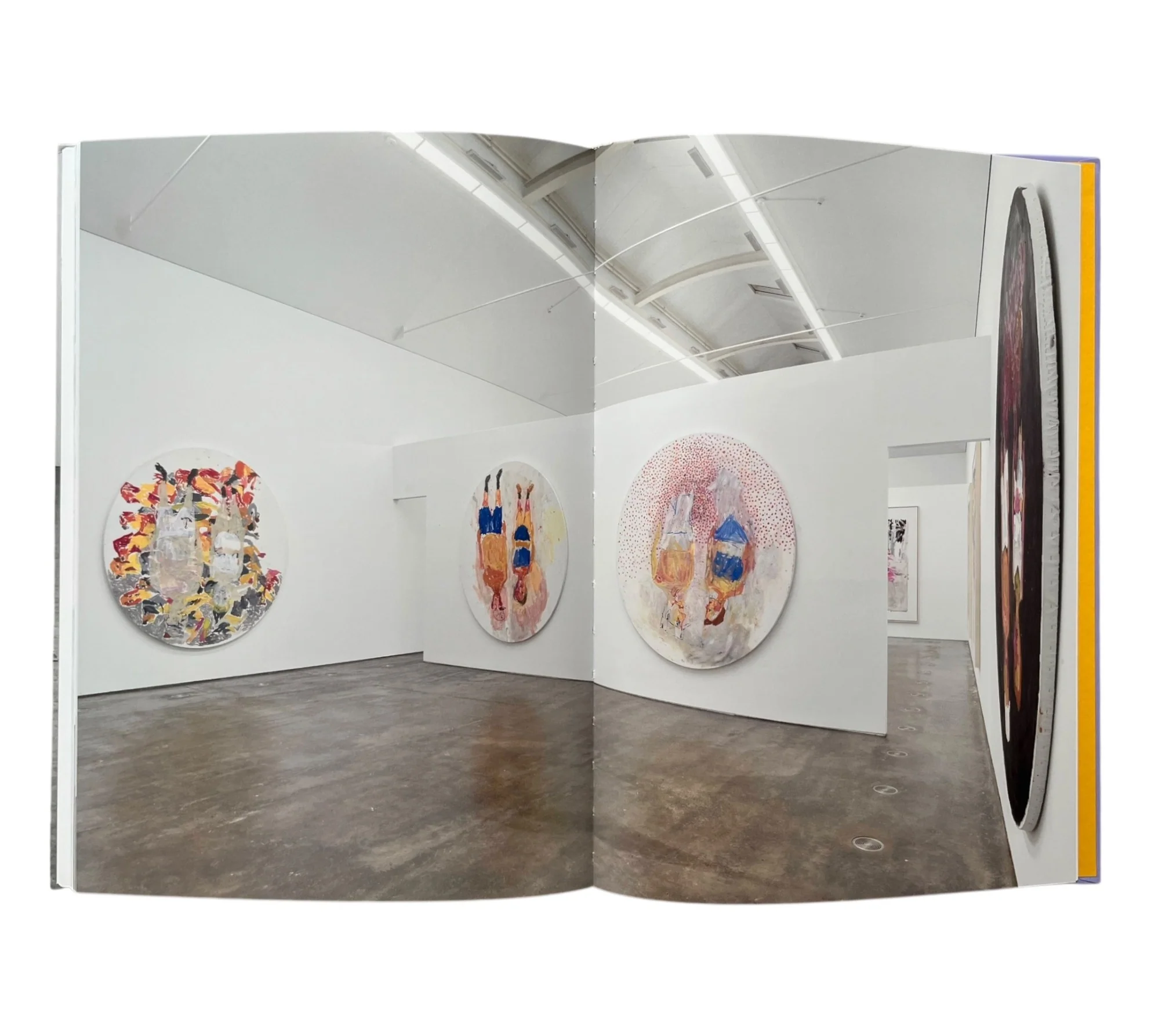
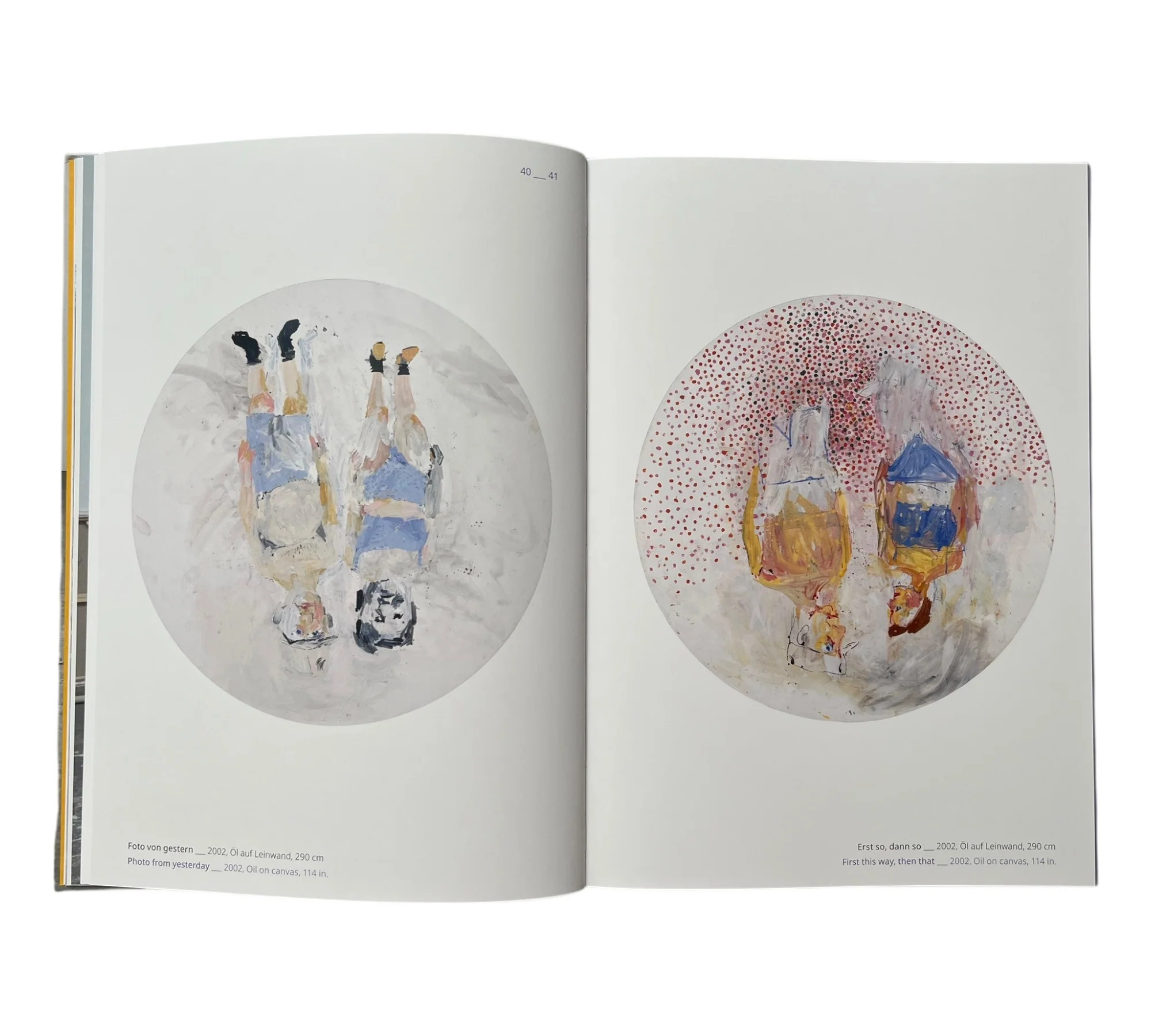
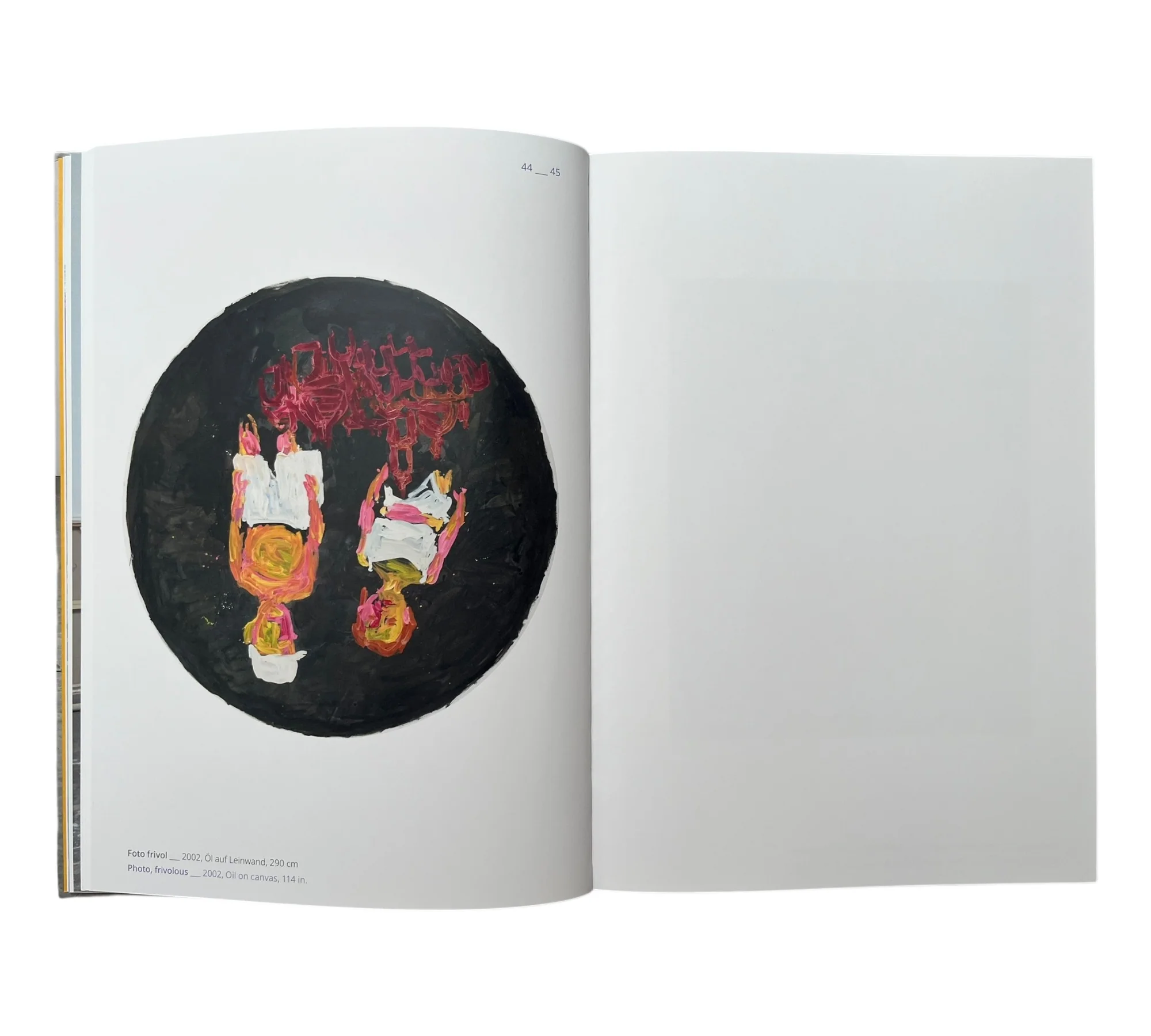
A group of large-scale tondos depict the artist and his wife, Elke, his most enduring subject whom he has painted numerous times throughout his career. In works like Maria und Franz Marc (2002), the figures are not positioned naturalistically in space, but float within a field of colour and pattern that is as much foreground as it is background. The gestural passages of bright, transparent colour, somewhat akin to watercolour painting, are typical of Baselitz’s work at the time.
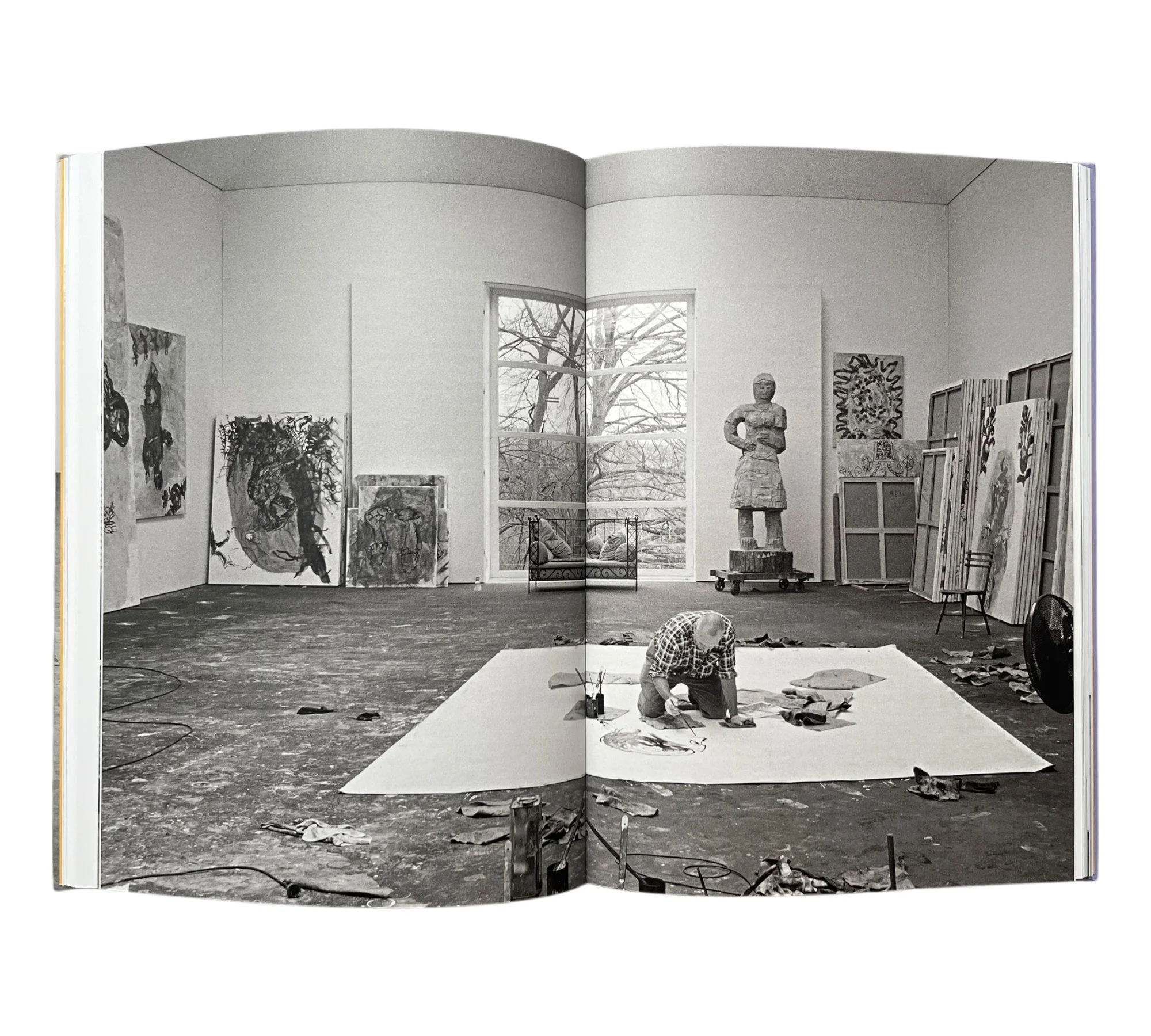
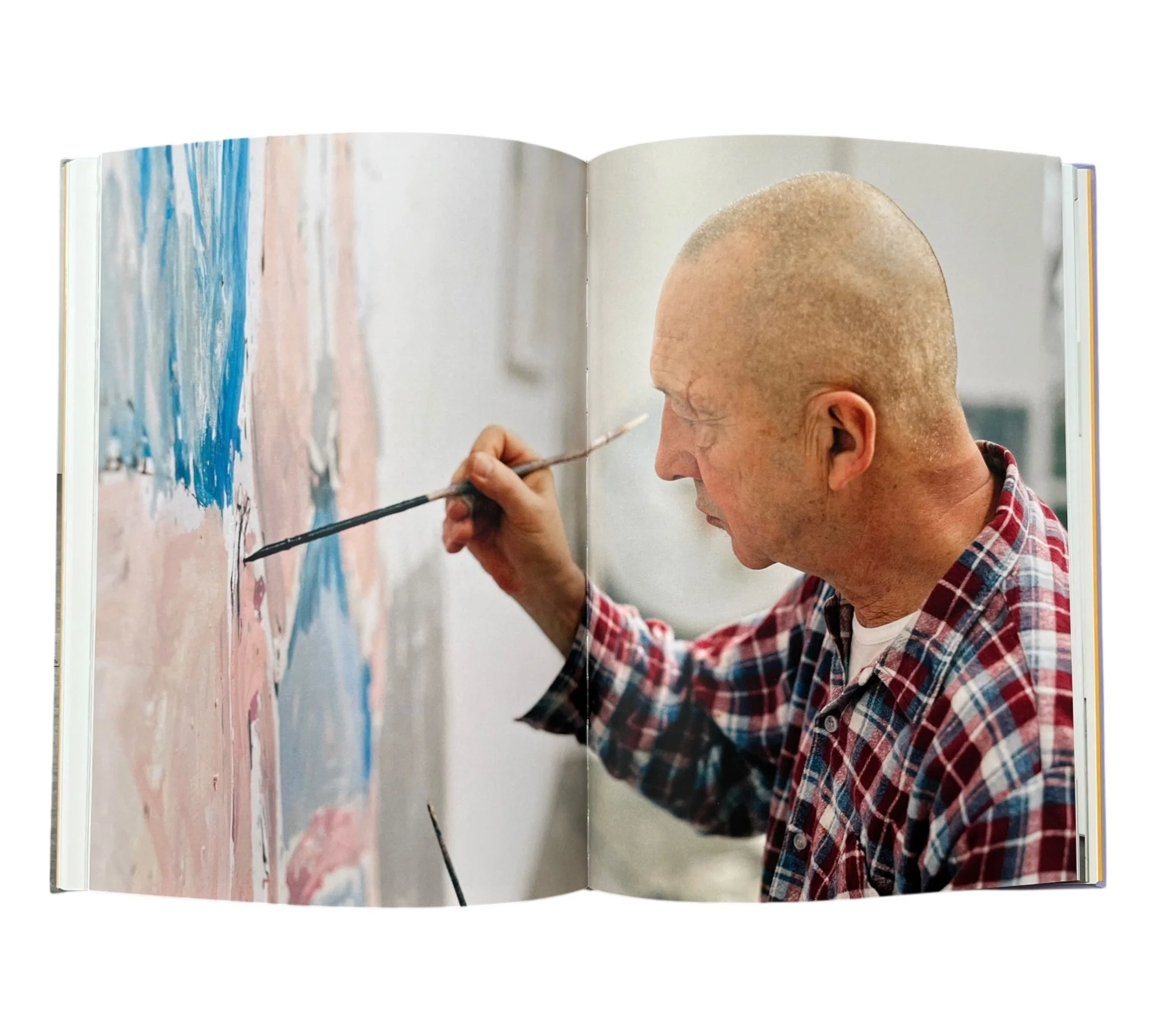
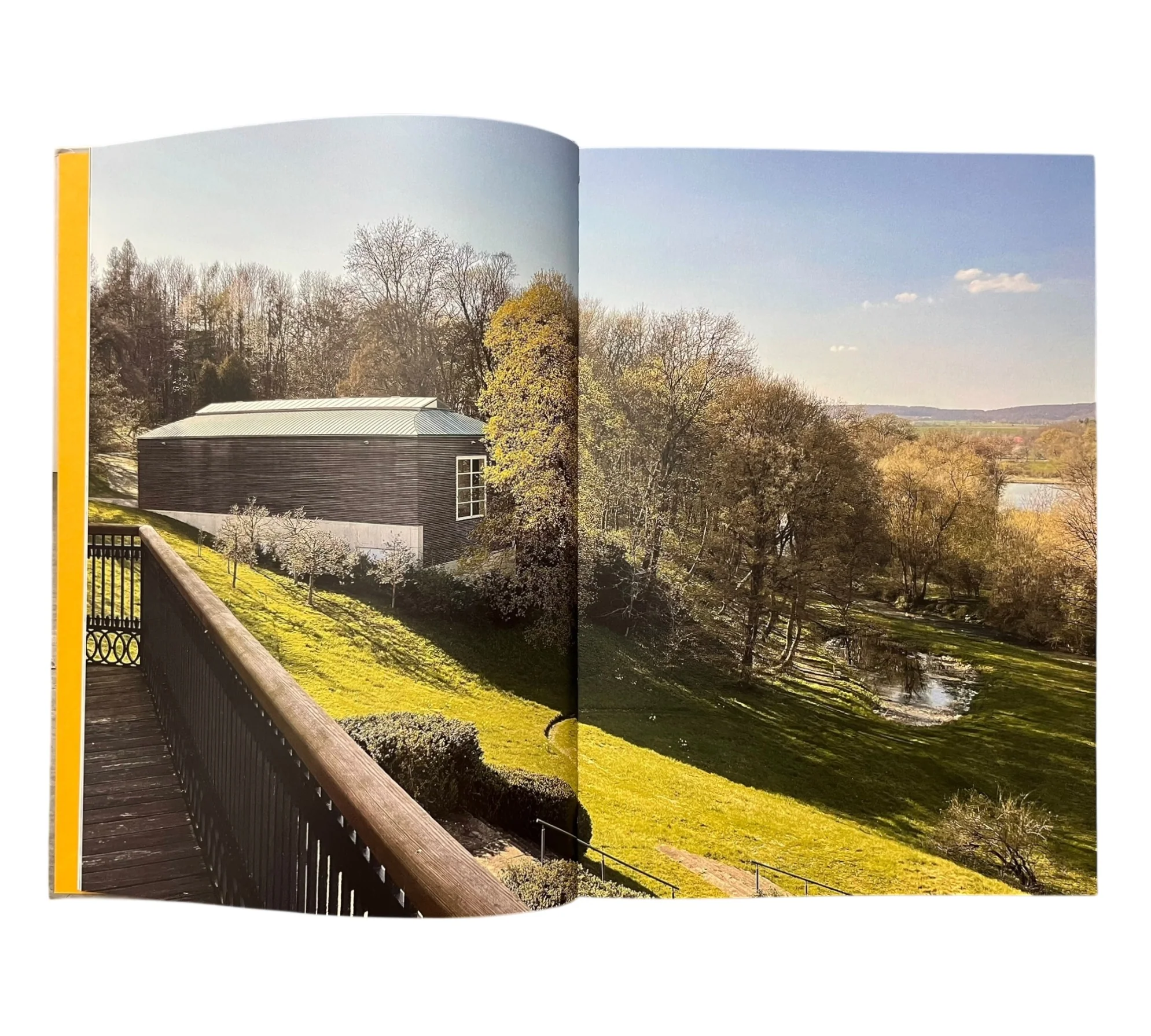
This is the first in a series of Baselitz exhibitions drawn from the Hall Collection that will be shown at Schloss Derneburg, which was Baselitz’s home and studio for some 32 years until its sale to Andy and Christine Hall, founders of the Hall Art Foundation, in 2006.
Including an essay by Florian Illies, texts by Georg Baselitz, Tracey Emin, and Julian Schnabel, and a foreword by Andy Hall.
Published on the occasion of the exhibition Baselitz in the Studio, Kunstmuseum Schloss Derneburg, Germany, 2023-2024.
$16.58
Original: $47.37
-65%Baselitz Im Atelier—
$47.37
$16.58




Description
Hardcover | 19.3 x 1.5 x 27.5 cm | 128 pp
Hall Art Foundation | 2023 | 9798985145151
Georg Baselitz is possibly best known for his paintings of inverted figures, animals, landscapes and still-lives that emerged in 1969. Engaging these classic figurative motifs, Baselitz created upside down works in order to re-focus the viewer on the abstract qualities of his compositions rather than their representational aspects. Drawing inspiration from a broad range of influences, his novel mix of representation and abstraction allowed him to conflate the competing aesthetics of East and West Germany prevalent at the time. Of his inverted subjects, Baselitz has said: “I must take everything which has been an object of painting – landscape, the portrait and the nude, for example – and paint it upside-down. That is the way to liberate representation from content.”
A group of large-scale tondos depict the artist and his wife, Elke, his most enduring subject whom he has painted numerous times throughout his career. In works like Maria und Franz Marc (2002), the figures are not positioned naturalistically in space, but float within a field of colour and pattern that is as much foreground as it is background. The gestural passages of bright, transparent colour, somewhat akin to watercolour painting, are typical of Baselitz’s work at the time.
This is the first in a series of Baselitz exhibitions drawn from the Hall Collection that will be shown at Schloss Derneburg, which was Baselitz’s home and studio for some 32 years until its sale to Andy and Christine Hall, founders of the Hall Art Foundation, in 2006.
Including an essay by Florian Illies, texts by Georg Baselitz, Tracey Emin, and Julian Schnabel, and a foreword by Andy Hall.
Published on the occasion of the exhibition Baselitz in the Studio, Kunstmuseum Schloss Derneburg, Germany, 2023-2024.