H. N. Werkman
Alston W. Purvis
Softcover | 19.2 x 1.1 x 23.9 cm | 112 pp
Yale University Press | 2004 | 9780300102901
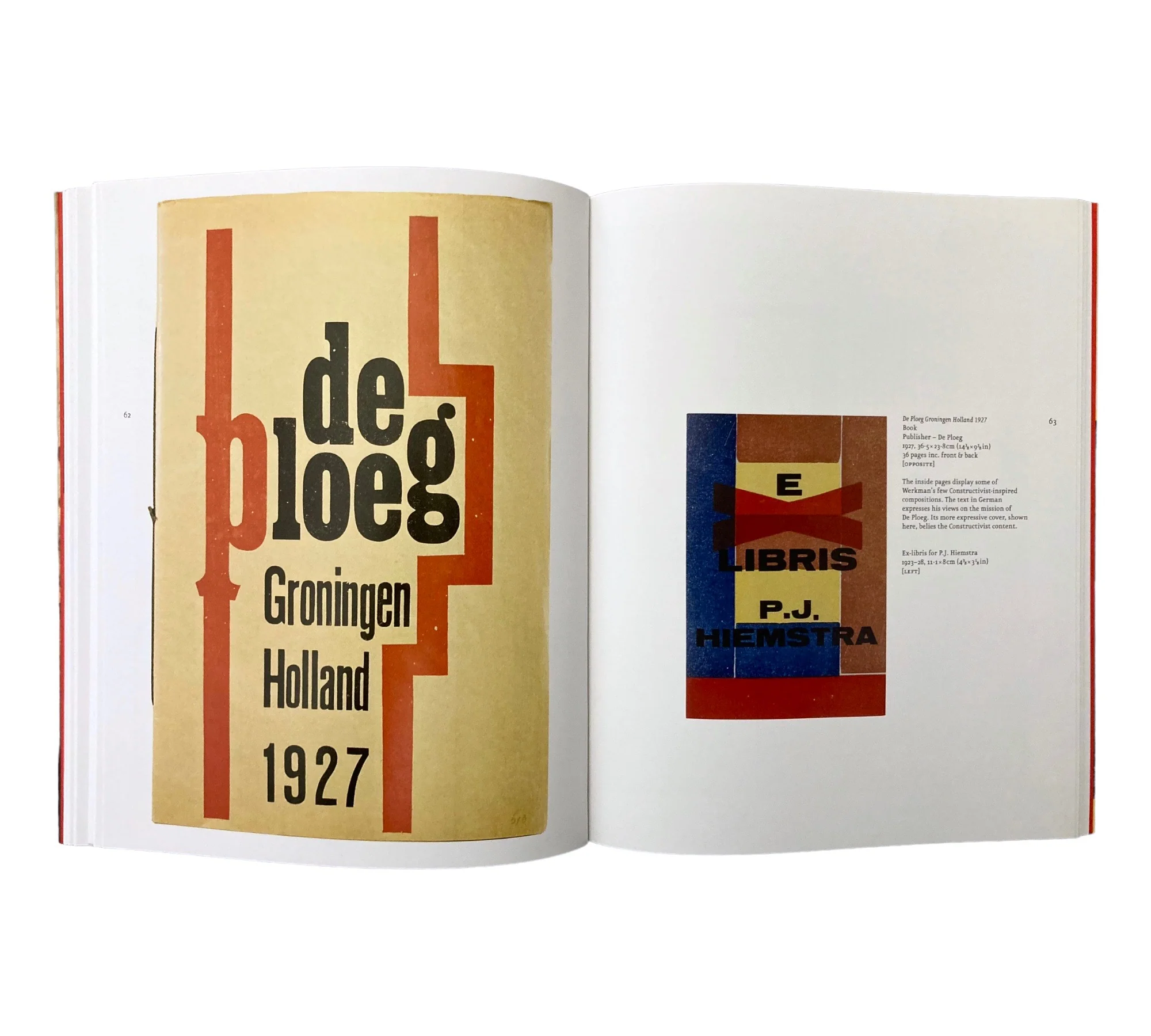
This generously illustrated book is the first in English to focus on the graphic work and fascinating life of dutch designer and printmaker Hendrik Werkman (1882-1945) best known for his innovative printing techniques and avant-garde typography.
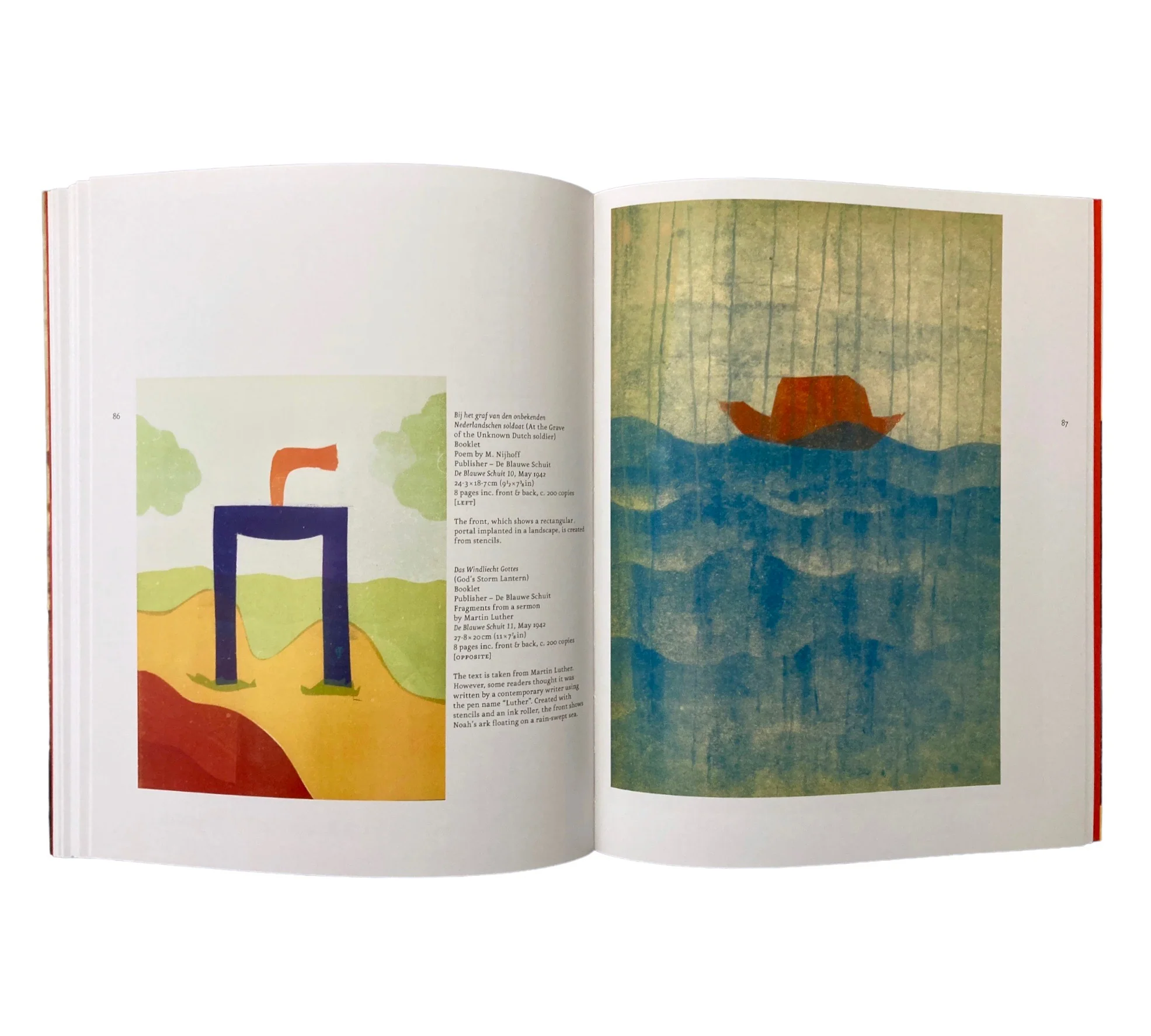
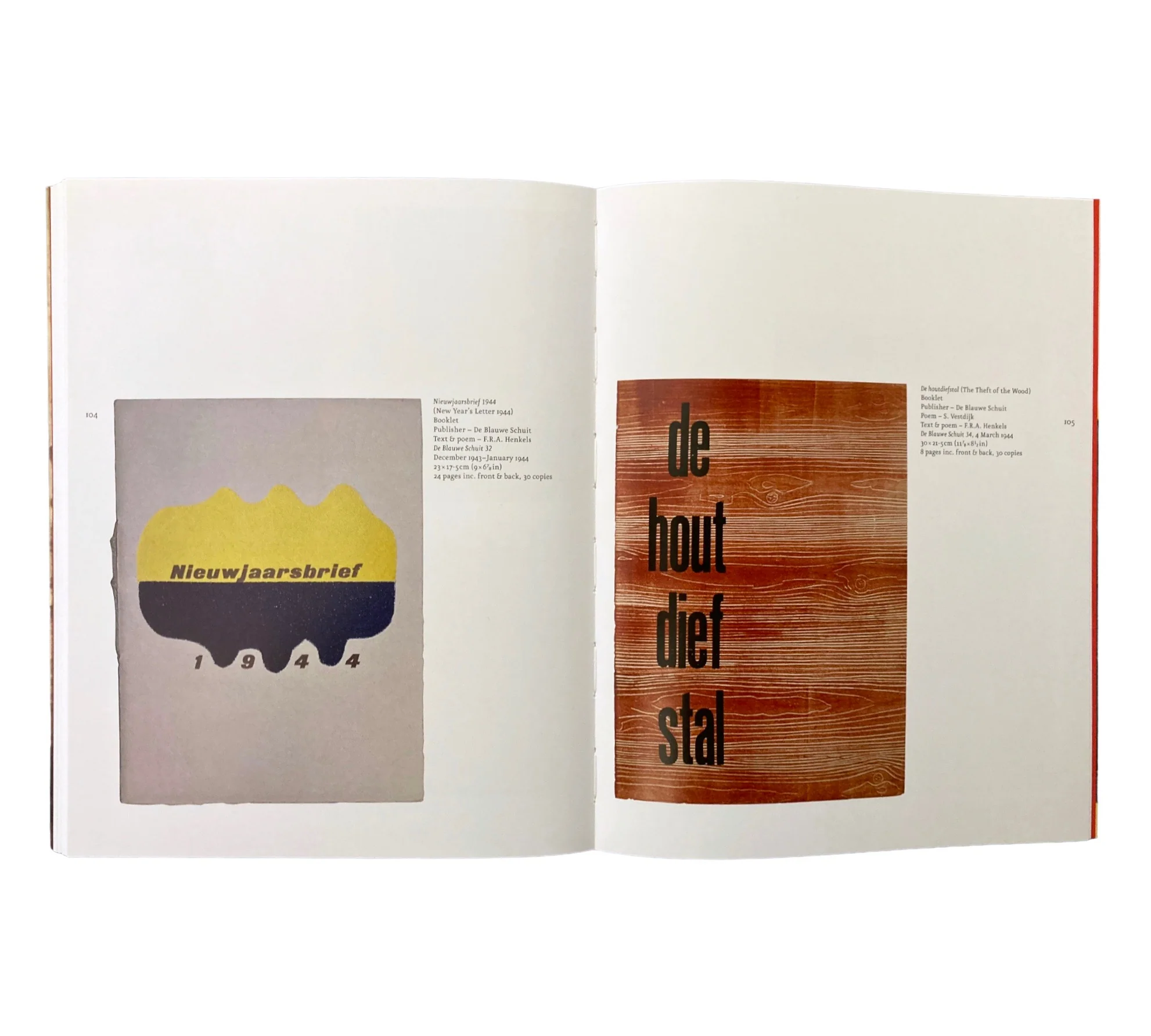
As publisher of De Blauwe Schuitt, a series of underground booklets produced by Jewish dissident poets and writers during the Nazi occupation of Holland, Werkman was imprisoned by German secret police in 1945 and executed without trial just three days before the country's liberation.
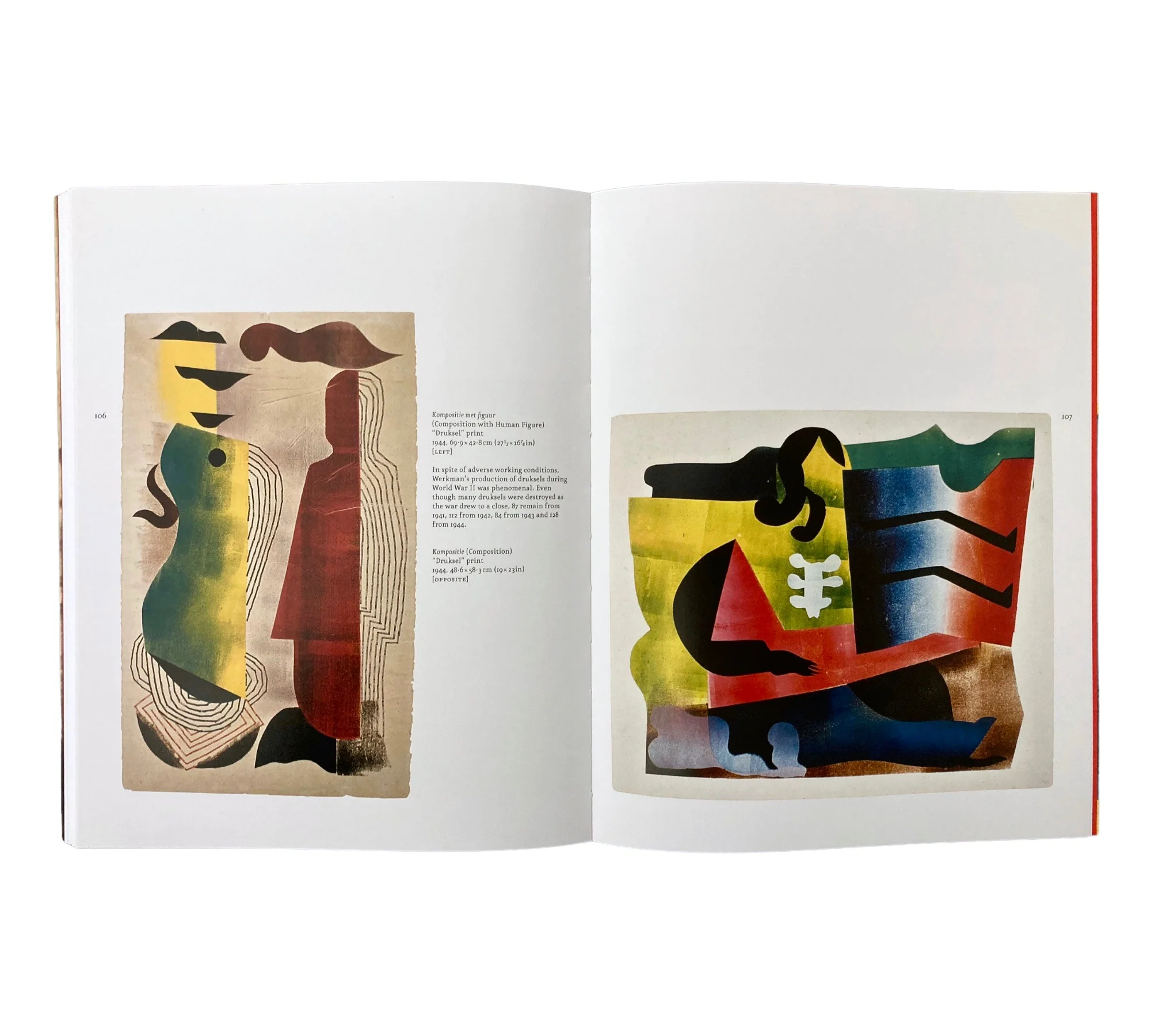
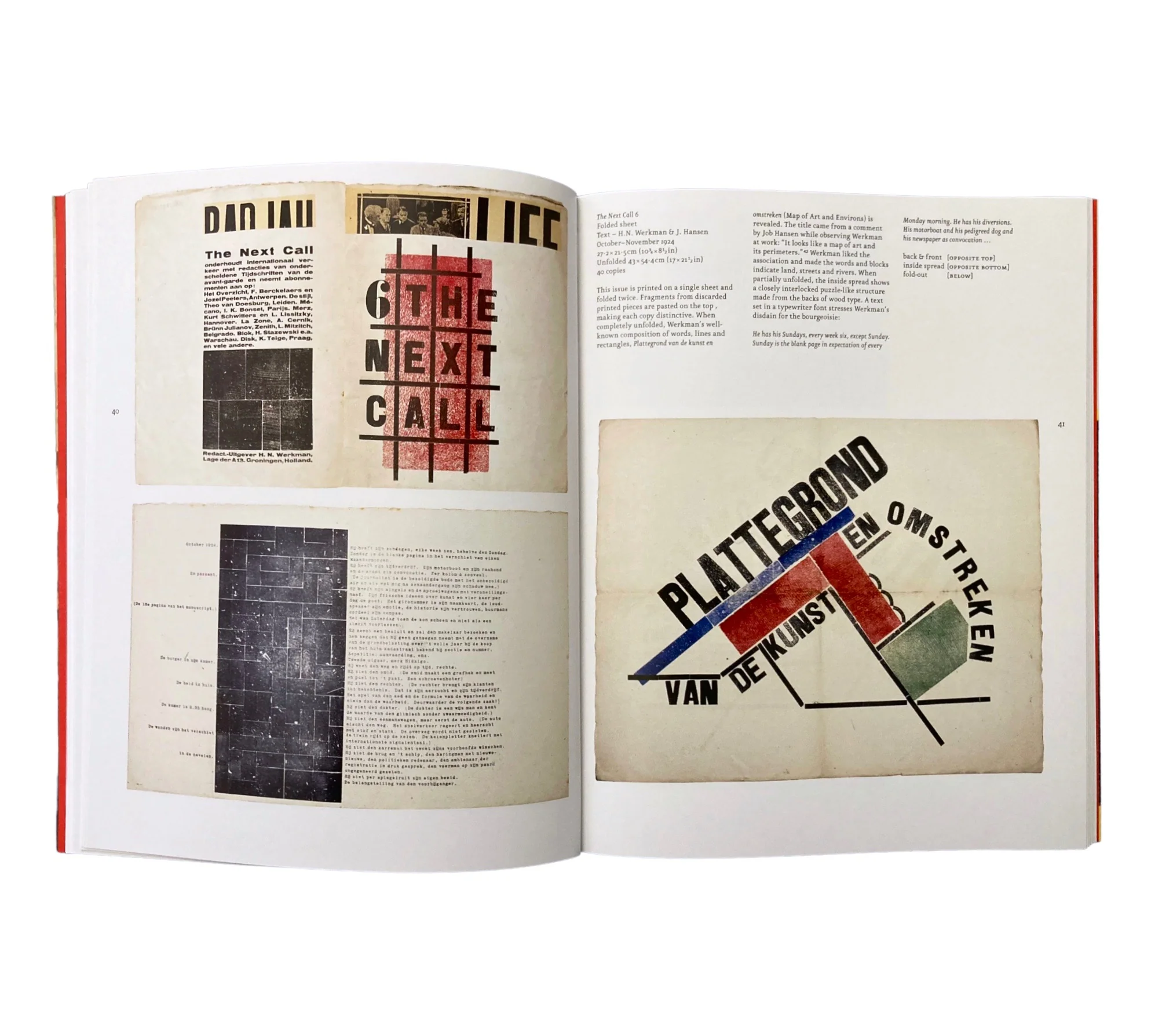
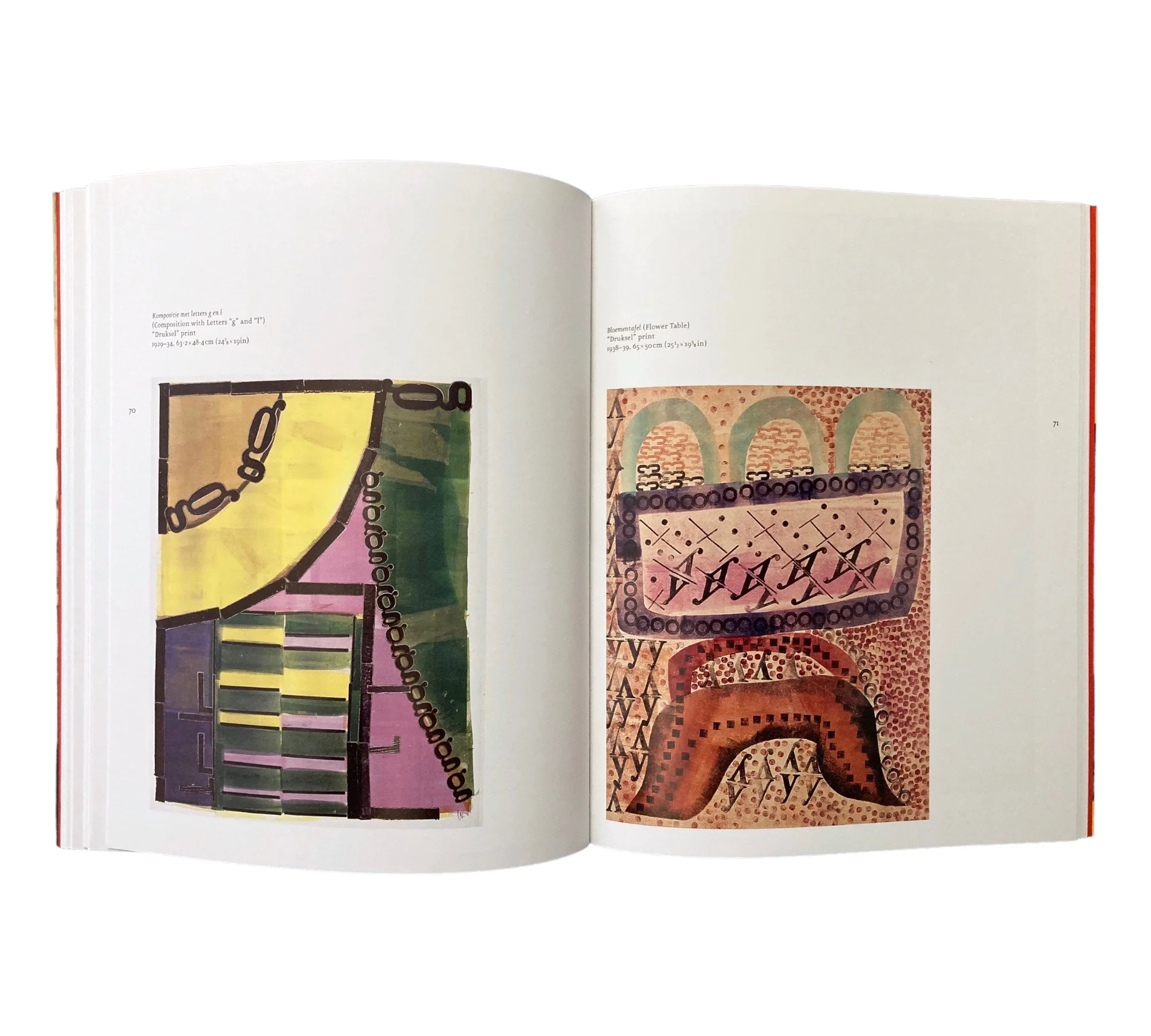
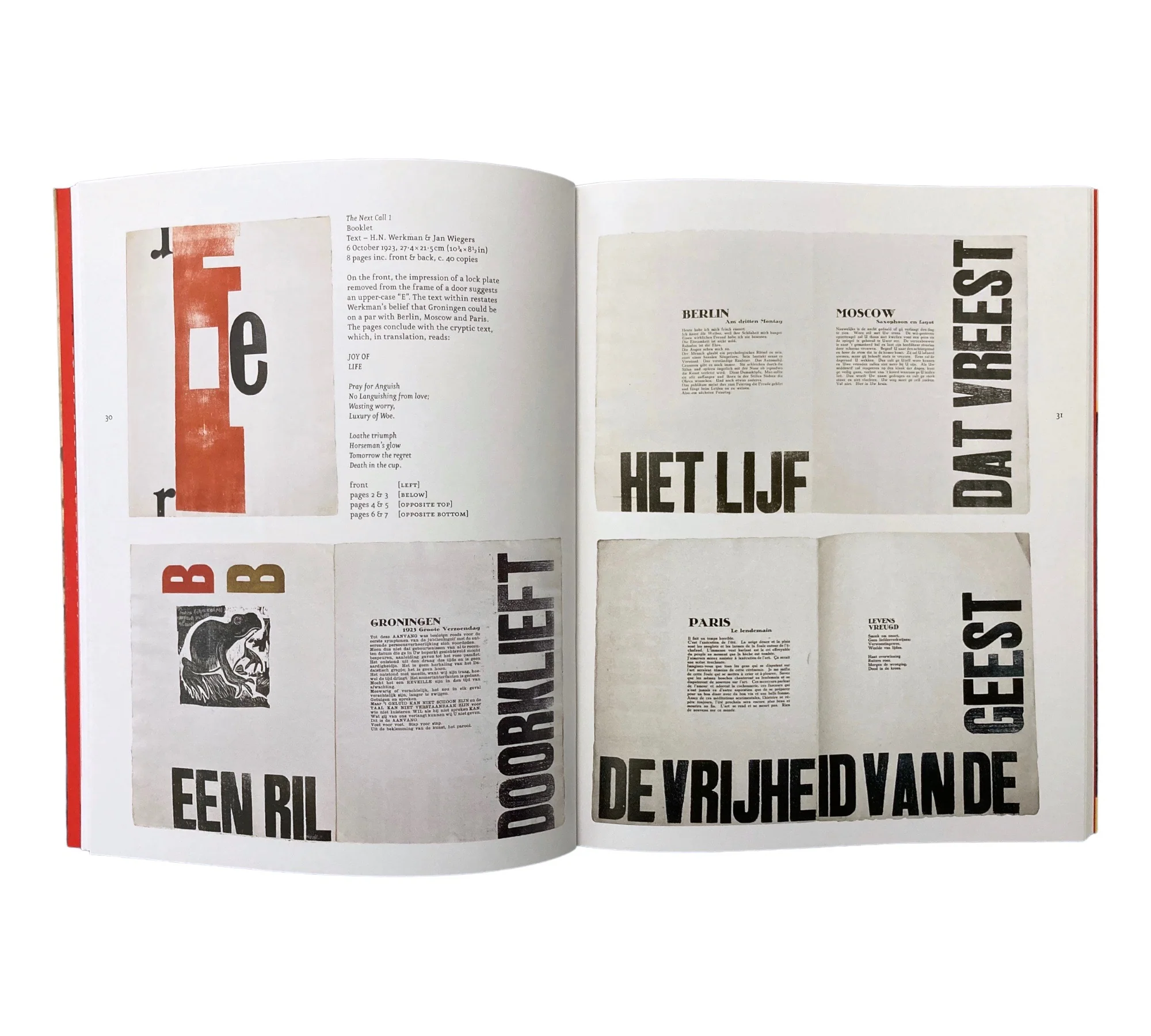
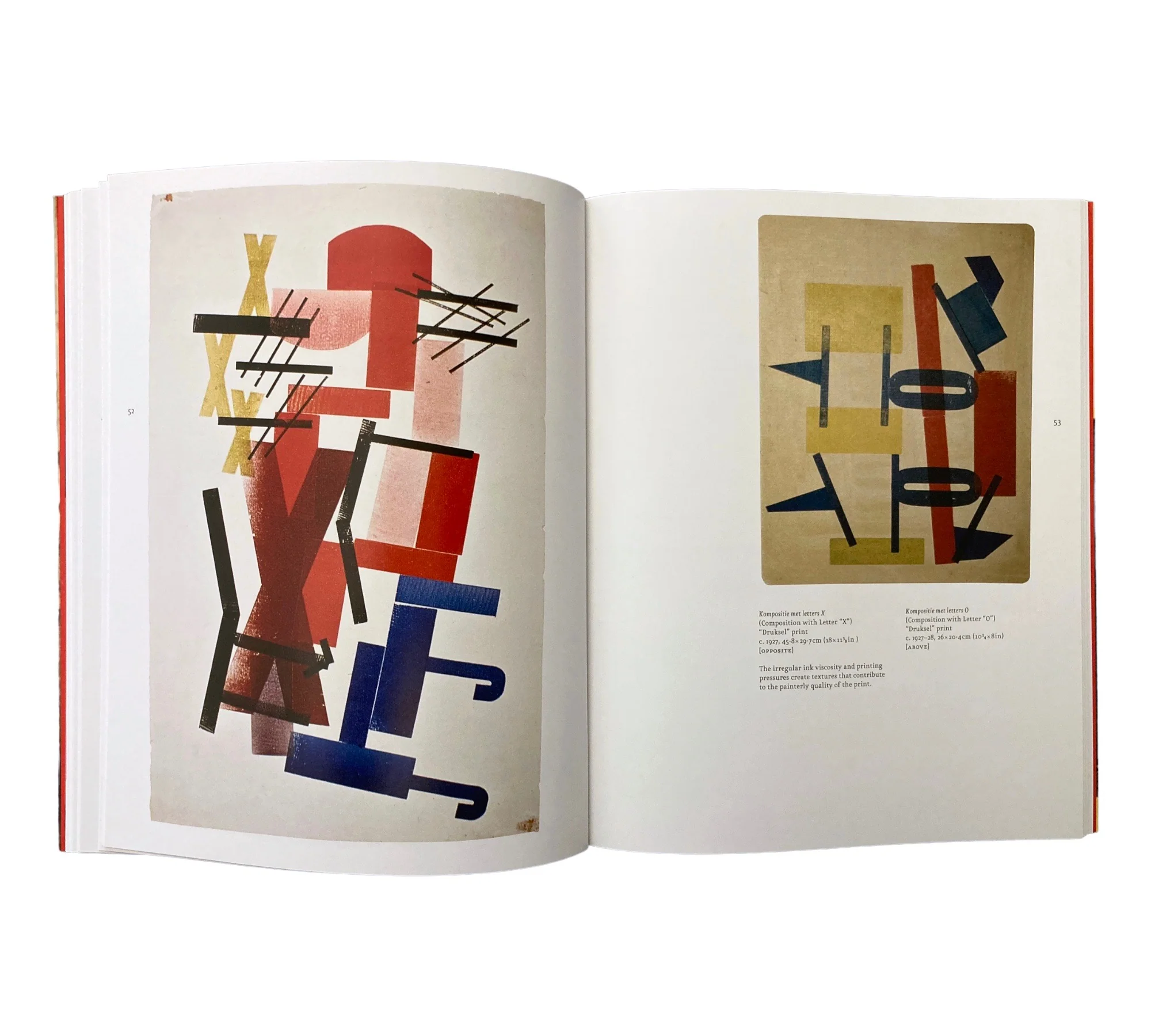
Werkman founded his own printmaking shop in 1908. His self-produced magazine The Next Call was published in 1923 and included typographical and other printmaking experiments as well as the designer's own Dadaist poems and texts. Werkman also developed a printmaking process he called "hot printing," a technique incorporating found materials that added repeated design elements directly onto the paper - all without the use of a printing press. Although much of his work was destroyed at the time of his execution, the remarkable examples that remain tell the story of a maverick designer and typographer whose graphic vision was playful, bold, experimental, and unwaveringly optimistic.
Original: $20.30
-65%$20.30
$7.10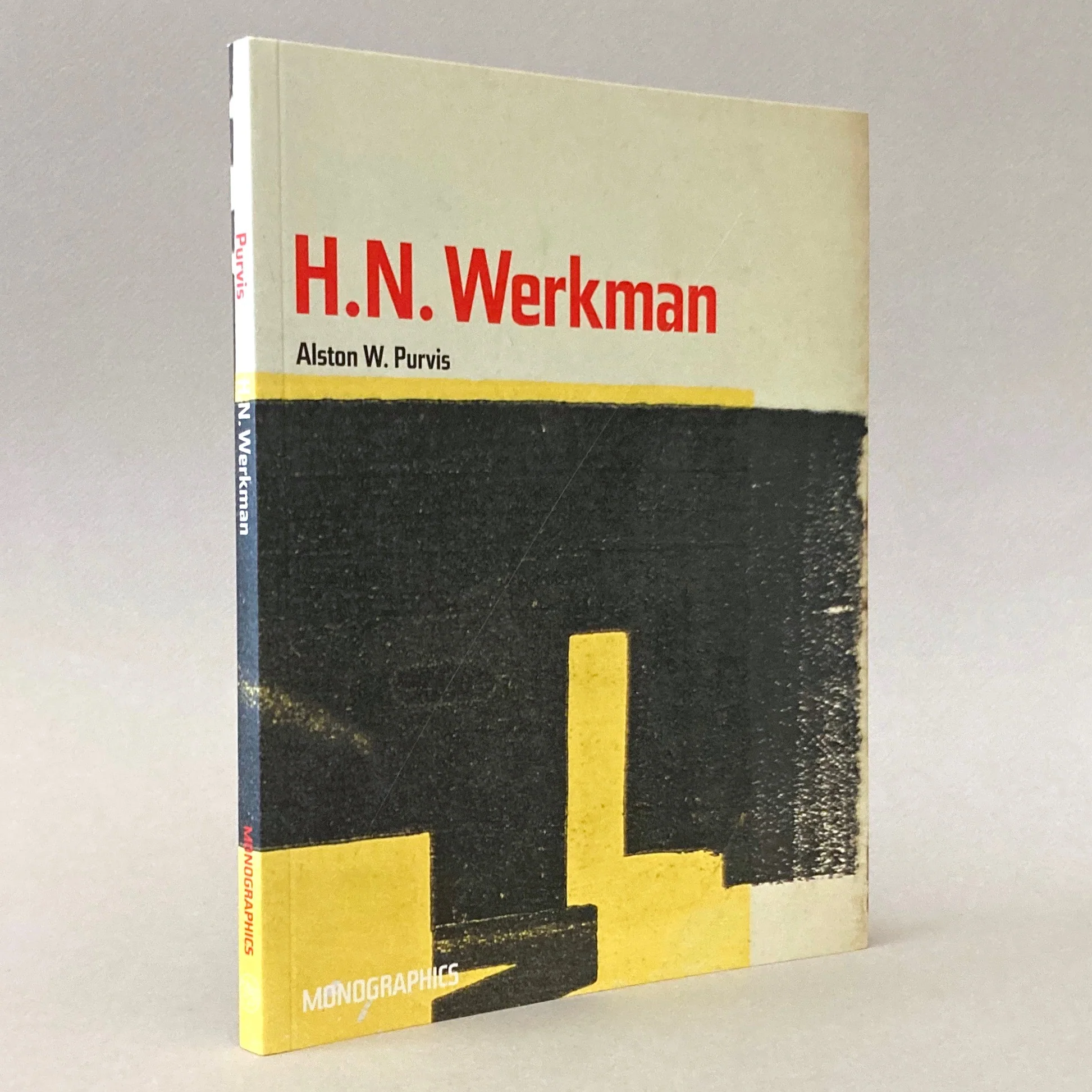

Description
Alston W. Purvis
Softcover | 19.2 x 1.1 x 23.9 cm | 112 pp
Yale University Press | 2004 | 9780300102901
This generously illustrated book is the first in English to focus on the graphic work and fascinating life of dutch designer and printmaker Hendrik Werkman (1882-1945) best known for his innovative printing techniques and avant-garde typography.
As publisher of De Blauwe Schuitt, a series of underground booklets produced by Jewish dissident poets and writers during the Nazi occupation of Holland, Werkman was imprisoned by German secret police in 1945 and executed without trial just three days before the country's liberation.
Werkman founded his own printmaking shop in 1908. His self-produced magazine The Next Call was published in 1923 and included typographical and other printmaking experiments as well as the designer's own Dadaist poems and texts. Werkman also developed a printmaking process he called "hot printing," a technique incorporating found materials that added repeated design elements directly onto the paper - all without the use of a printing press. Although much of his work was destroyed at the time of his execution, the remarkable examples that remain tell the story of a maverick designer and typographer whose graphic vision was playful, bold, experimental, and unwaveringly optimistic.