Le Corbusier: Poésie sur Alger
Softcover | 11.18 x 1.52 x 17.53 cm | 128 pp
Hatje Cantz | 2016 | 9783775740968
The French original from 1950, published here for the first time in English and German.
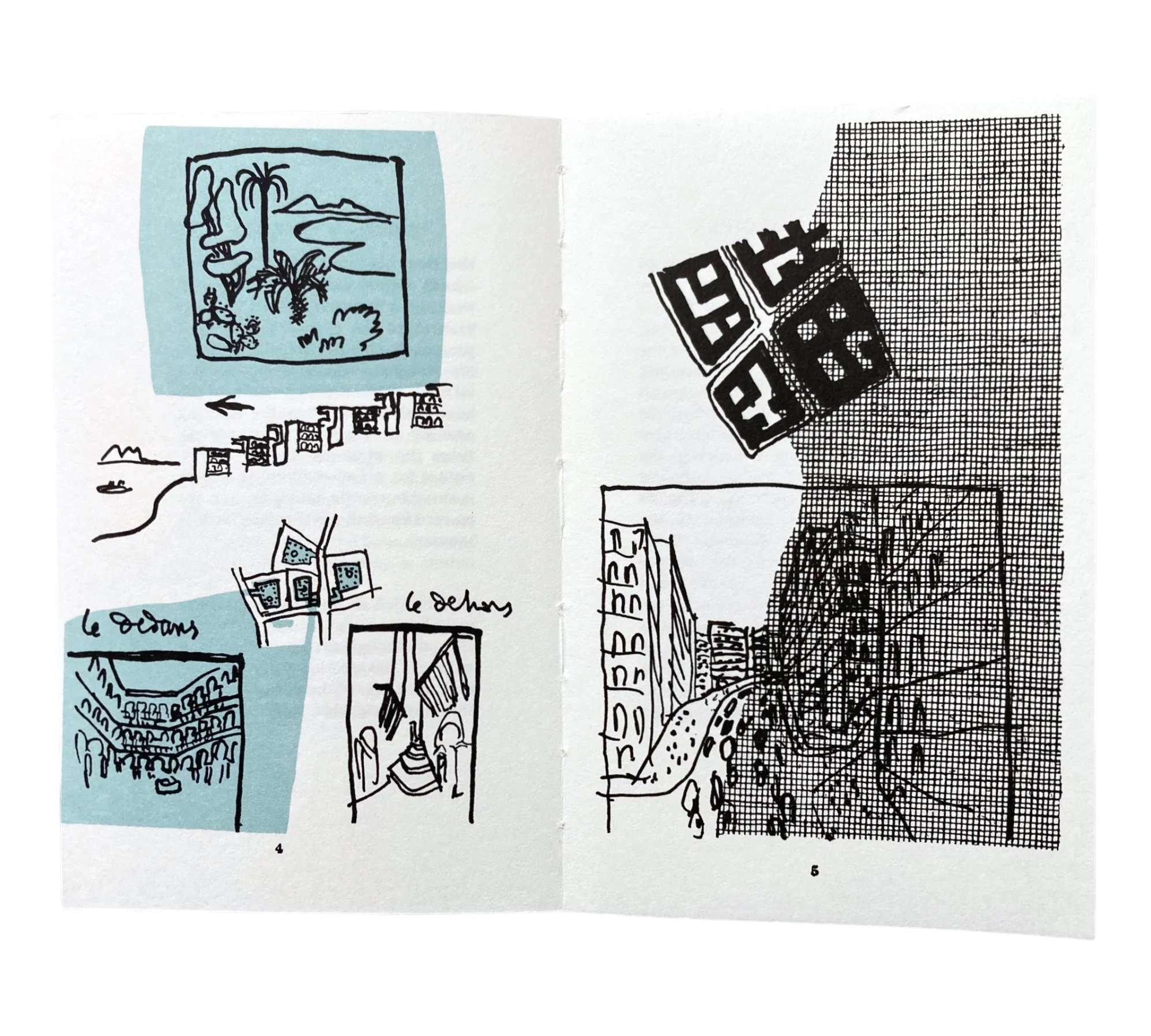
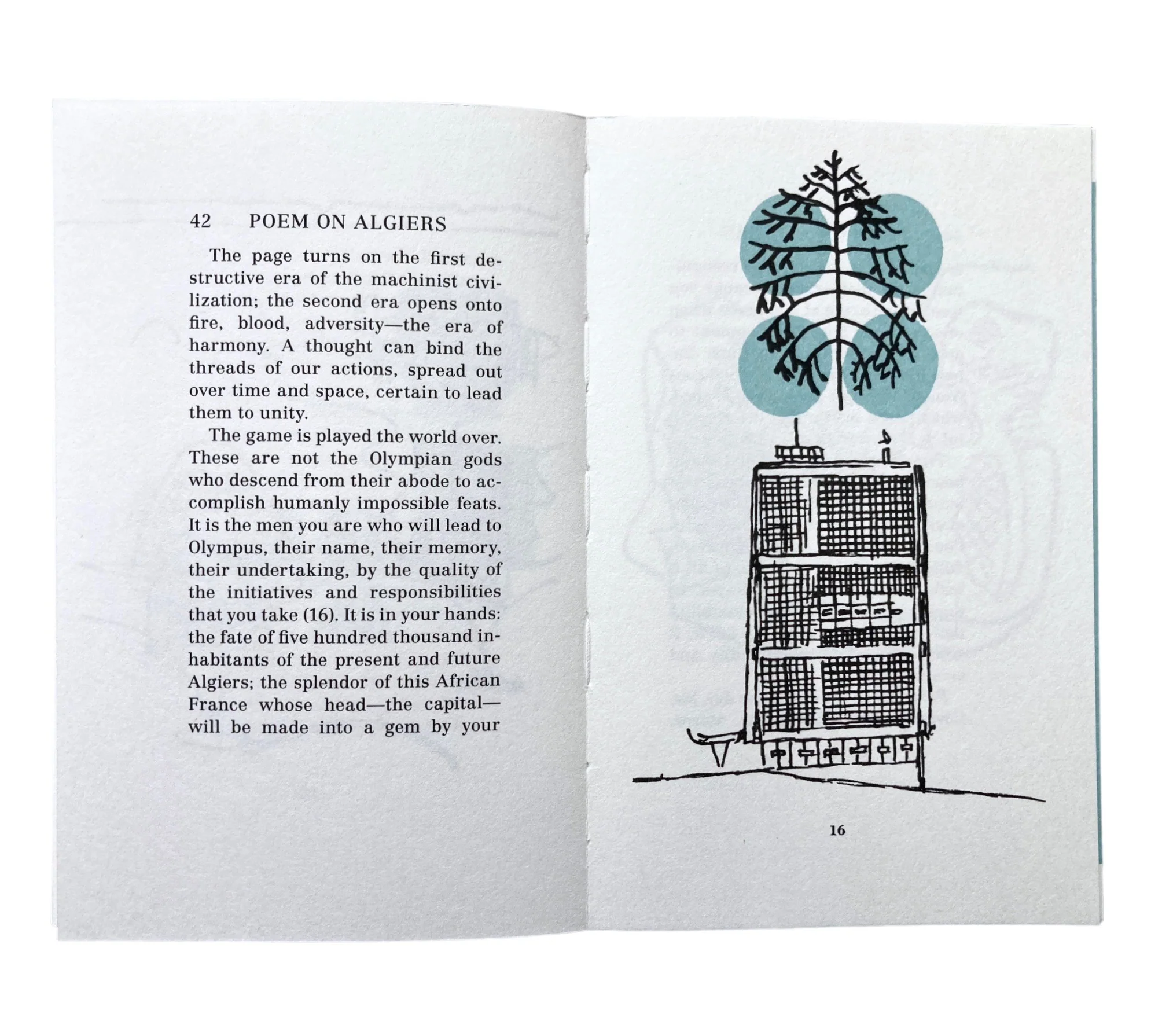
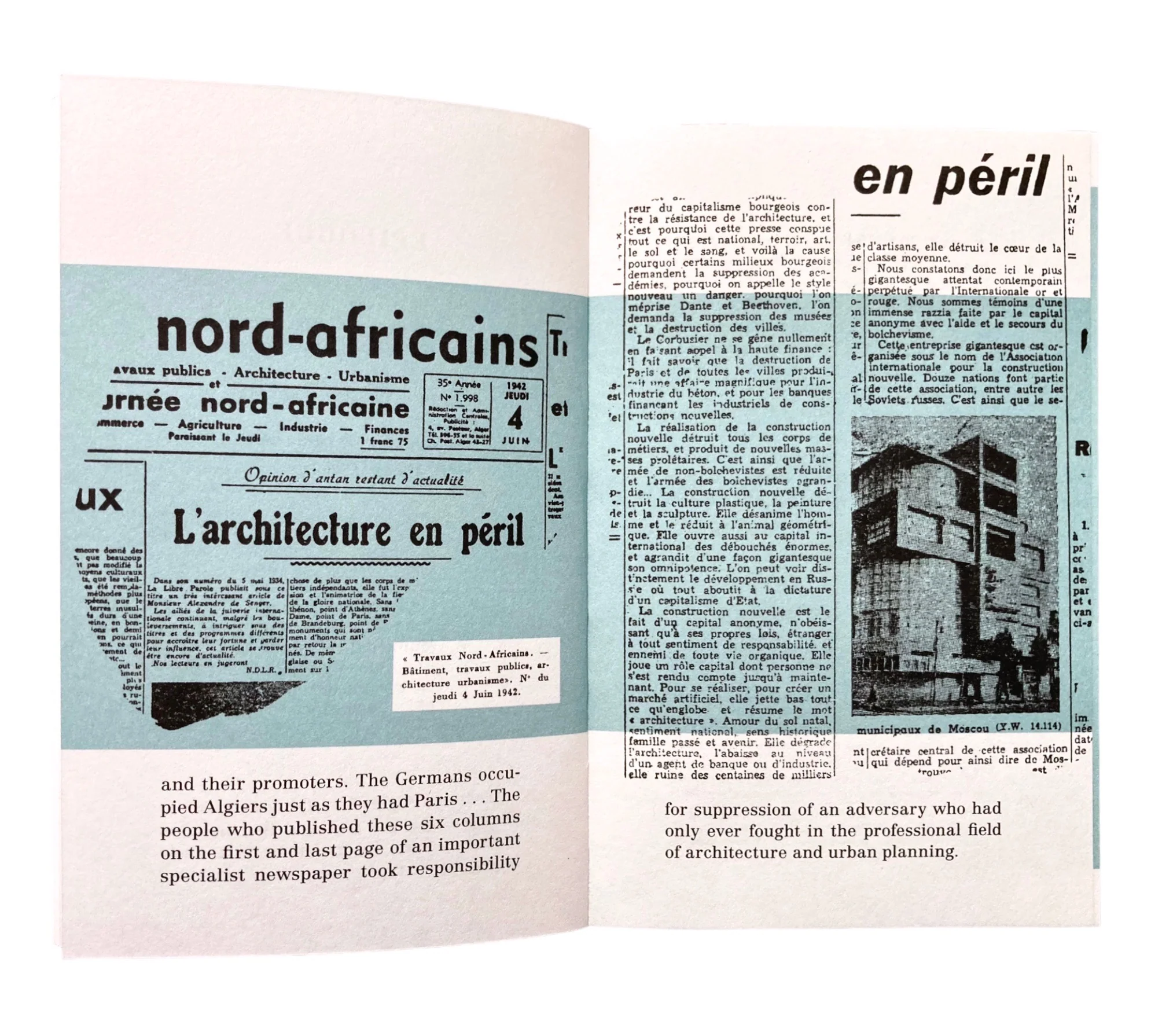
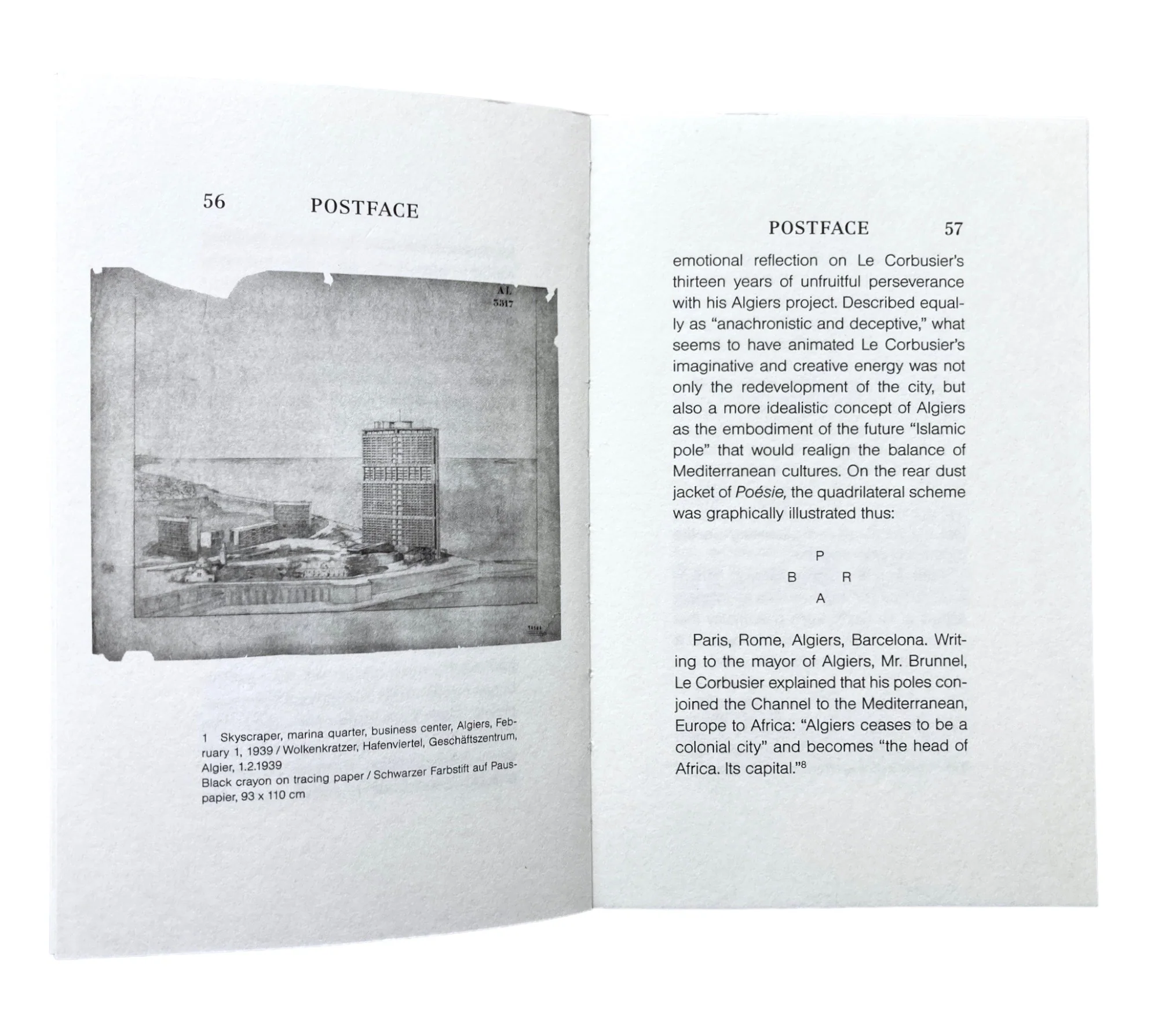
Poésie sur Alger, written in 1942 and published for the first time in 1950: a self-mocking examination of thirteen abortively invested, work-intensive years during which Le Corbusier devoted himself to the drawing up of extensive urban plans for Algiers. Numerous additional plans followed on his first trip to Algeria in 1931.
The architect dreamed of installing Algiers as the southernmost point of the cultural connection between the littoral states of the Mediterranean, between Paris, Barcelona, and Rome―as an “Islamic pole,” as he called it. The decision to publish his very personal and self-illustrated thoughts on a “plan directeur” for Algiers marks an important point in Le Corbusier’s development. The publication continues to provide multilayered insight into the inner life and world of thought of the pioneer of architectural modernism.
Original: $20.30
-65%$20.30
$7.10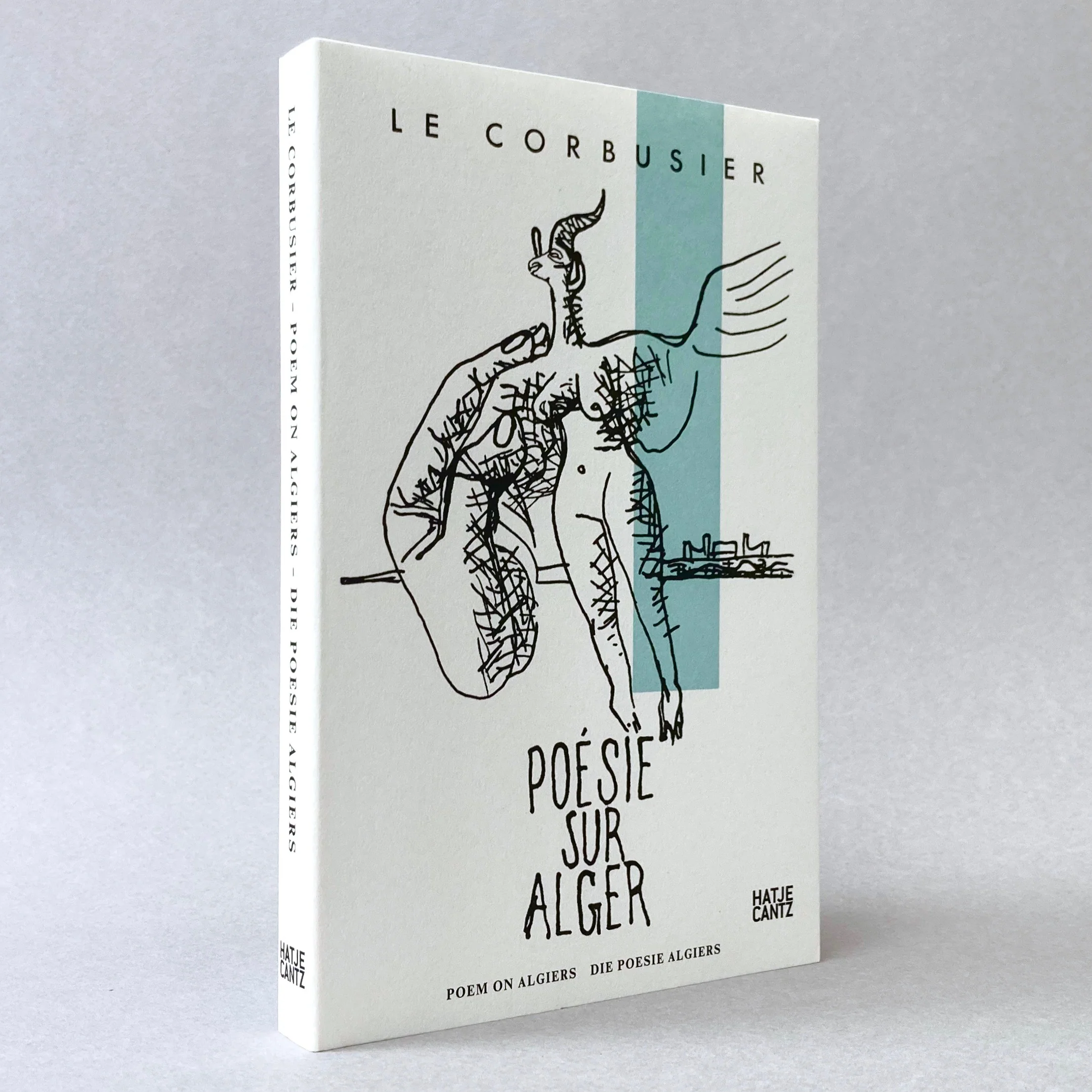

Description
Softcover | 11.18 x 1.52 x 17.53 cm | 128 pp
Hatje Cantz | 2016 | 9783775740968
The French original from 1950, published here for the first time in English and German.
Poésie sur Alger, written in 1942 and published for the first time in 1950: a self-mocking examination of thirteen abortively invested, work-intensive years during which Le Corbusier devoted himself to the drawing up of extensive urban plans for Algiers. Numerous additional plans followed on his first trip to Algeria in 1931.
The architect dreamed of installing Algiers as the southernmost point of the cultural connection between the littoral states of the Mediterranean, between Paris, Barcelona, and Rome―as an “Islamic pole,” as he called it. The decision to publish his very personal and self-illustrated thoughts on a “plan directeur” for Algiers marks an important point in Le Corbusier’s development. The publication continues to provide multilayered insight into the inner life and world of thought of the pioneer of architectural modernism.