Matisse as Printmaker
Jay McKean Fisher & William S. Lieberman
Softcover | 17 x 0.9 x 21.5 cm | 90 pp
American Federation of Arts | 2009 | 9781885444387
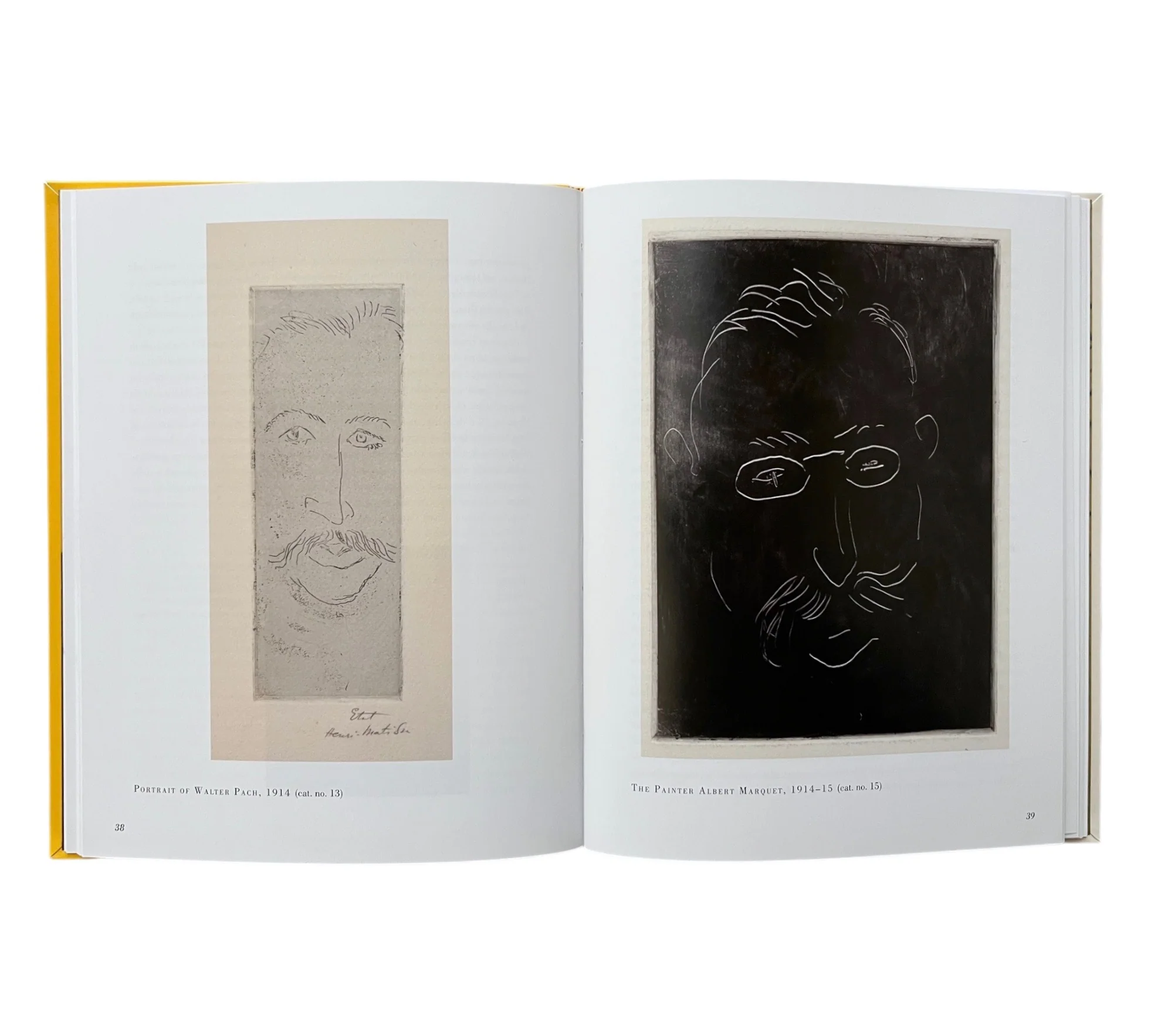
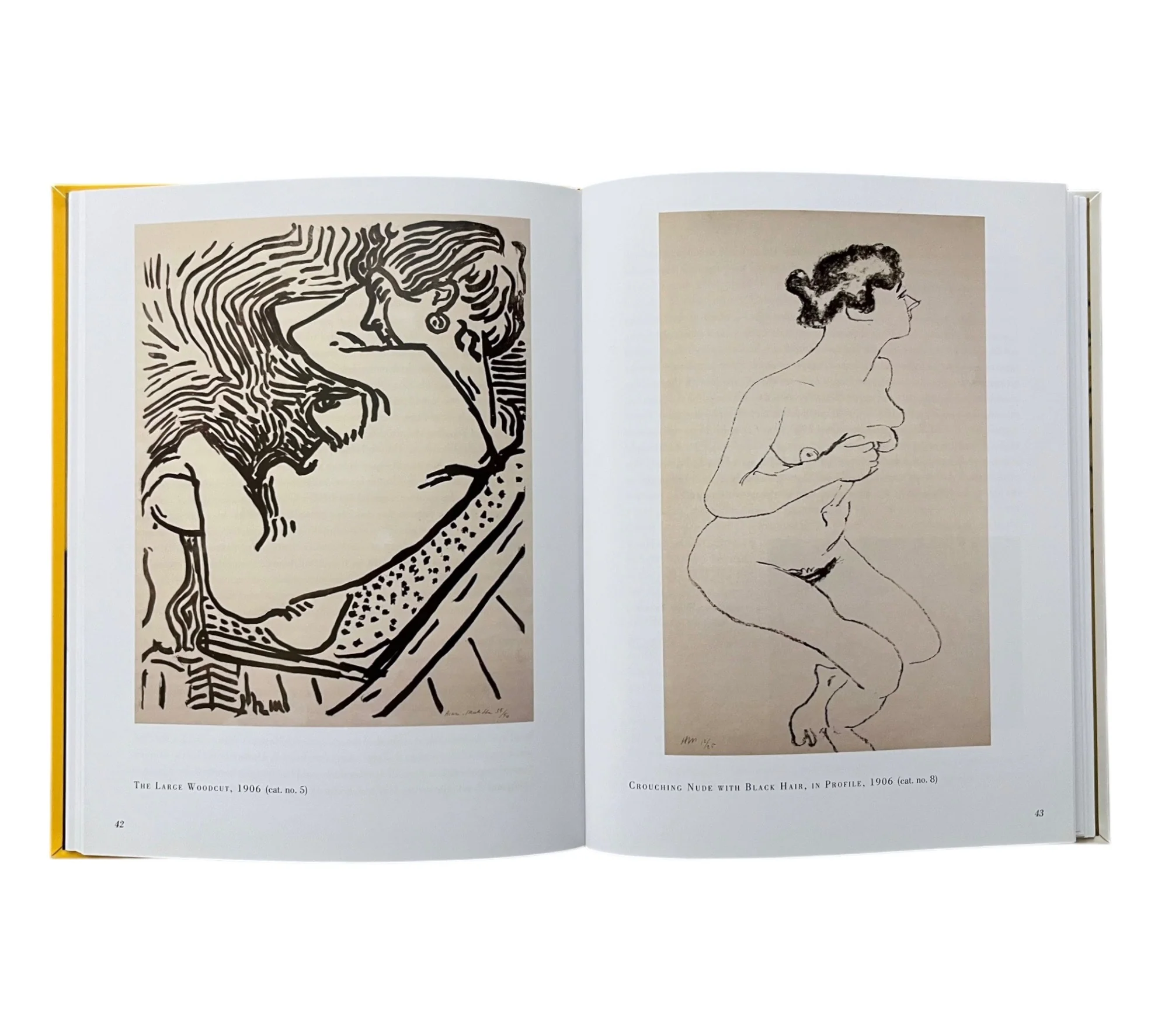
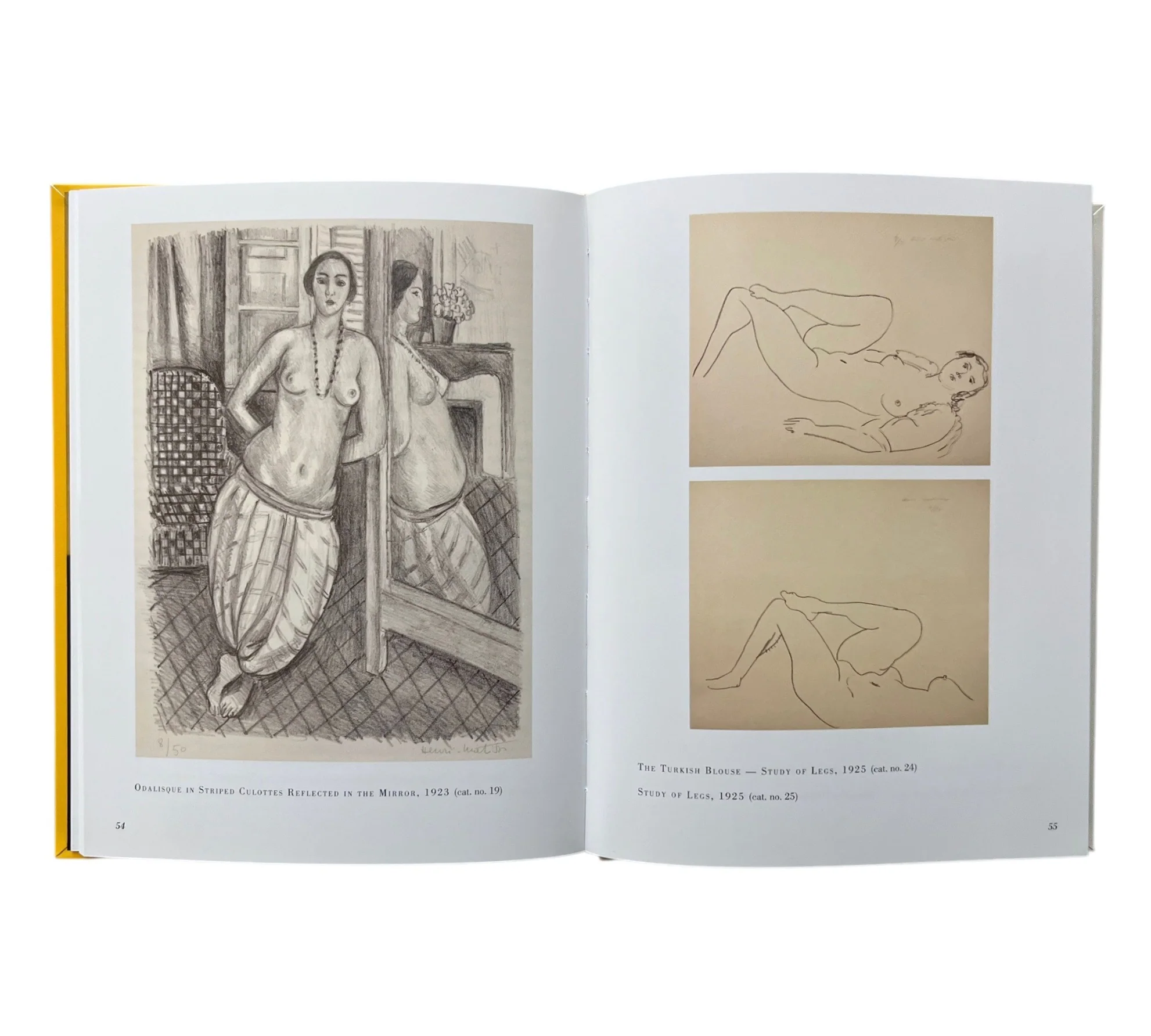
The catalogue of the first comprehensive exhibition on the printmaking of the great French artist Henri Matisse. The exhibition featured 63 prints from the collection of the Pierre and Tana Matisse Foundation, with artworks bequeathed by Henri Matisse to his younger son Pierre (1900–1989), an eminent dealer of modern art.
Recognised foremost as a painter and sculptor, Henri Matisse (1869–1954) was also deeply engaged throughout his career in exploring other mediums and the unique possibilities they offered for creative expression. Matisse saw printmaking as an extension of drawing, which was integral to his art. As Jay Fisher writes in the exhibition catalogue, “Printmaking was Matisse’s primary means of demonstrating to his audience his working process, the character of his vision, and the way his drawing transformed what he observed.” Matisse’s involvement with printmaking was both intense and innovative as he moved from one technique to the next, adopting new approaches to reflect the evolution of his artistic ideas. For Matisse, printmaking captured the steps in a process of seeing that was unique to his artistic vision - a process that could result in a refined image of his subject.
Original: $6.77
-65%$6.77
$2.37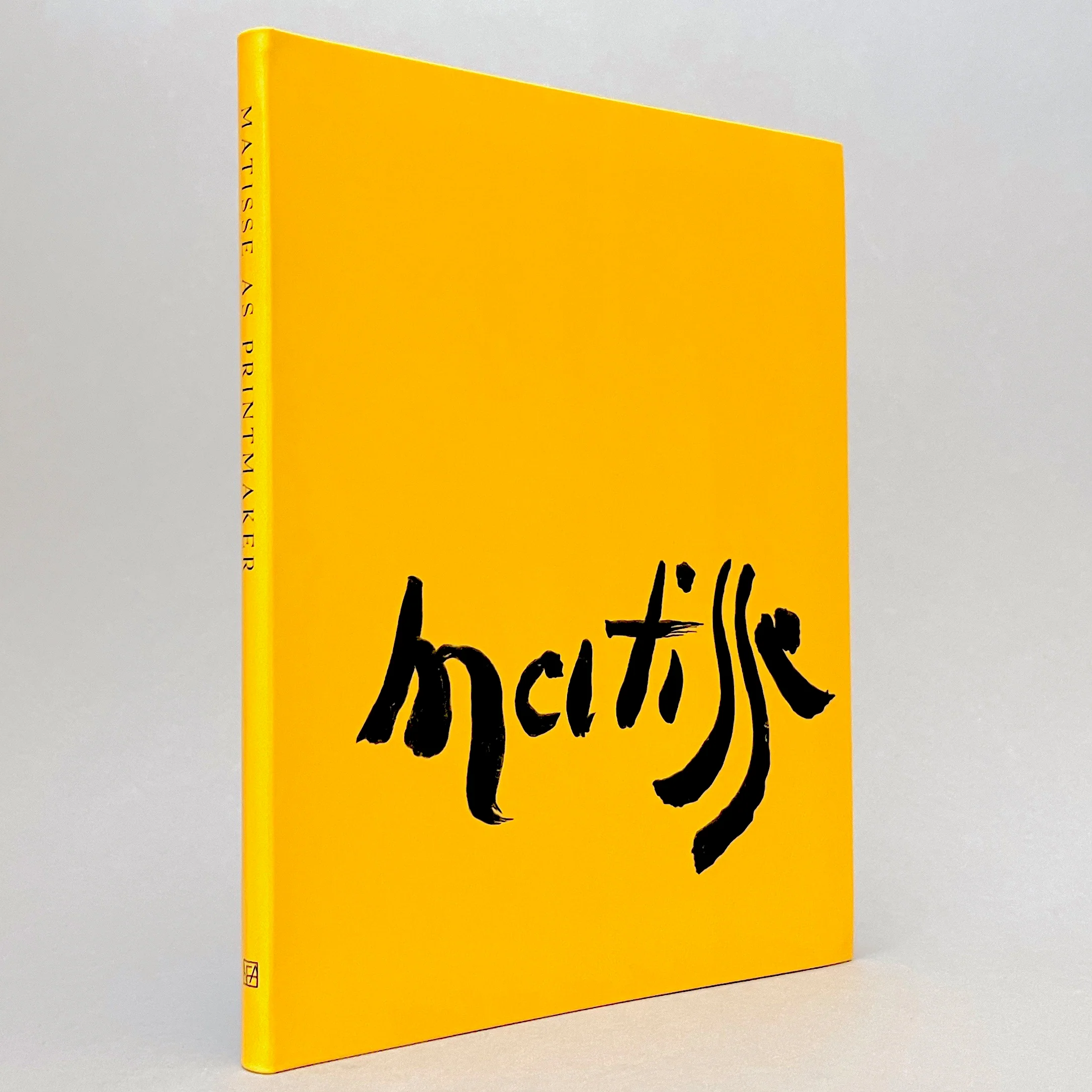

Description
Jay McKean Fisher & William S. Lieberman
Softcover | 17 x 0.9 x 21.5 cm | 90 pp
American Federation of Arts | 2009 | 9781885444387
The catalogue of the first comprehensive exhibition on the printmaking of the great French artist Henri Matisse. The exhibition featured 63 prints from the collection of the Pierre and Tana Matisse Foundation, with artworks bequeathed by Henri Matisse to his younger son Pierre (1900–1989), an eminent dealer of modern art.
Recognised foremost as a painter and sculptor, Henri Matisse (1869–1954) was also deeply engaged throughout his career in exploring other mediums and the unique possibilities they offered for creative expression. Matisse saw printmaking as an extension of drawing, which was integral to his art. As Jay Fisher writes in the exhibition catalogue, “Printmaking was Matisse’s primary means of demonstrating to his audience his working process, the character of his vision, and the way his drawing transformed what he observed.” Matisse’s involvement with printmaking was both intense and innovative as he moved from one technique to the next, adopting new approaches to reflect the evolution of his artistic ideas. For Matisse, printmaking captured the steps in a process of seeing that was unique to his artistic vision - a process that could result in a refined image of his subject.