One House Per Day: no.001-365
Andrew Bruno
Softcover | 19.69 x 3.18 x 19.69 cm | 392 pp
ORO Editions | 2022 | 9781954081864
One House Per Day no.001-365 collects the first 365 drawings from Andrew Bruno’s project One House Per Day which project has an audience on social media - approximately 47,000 followers on Instagram @one_house_per_day.
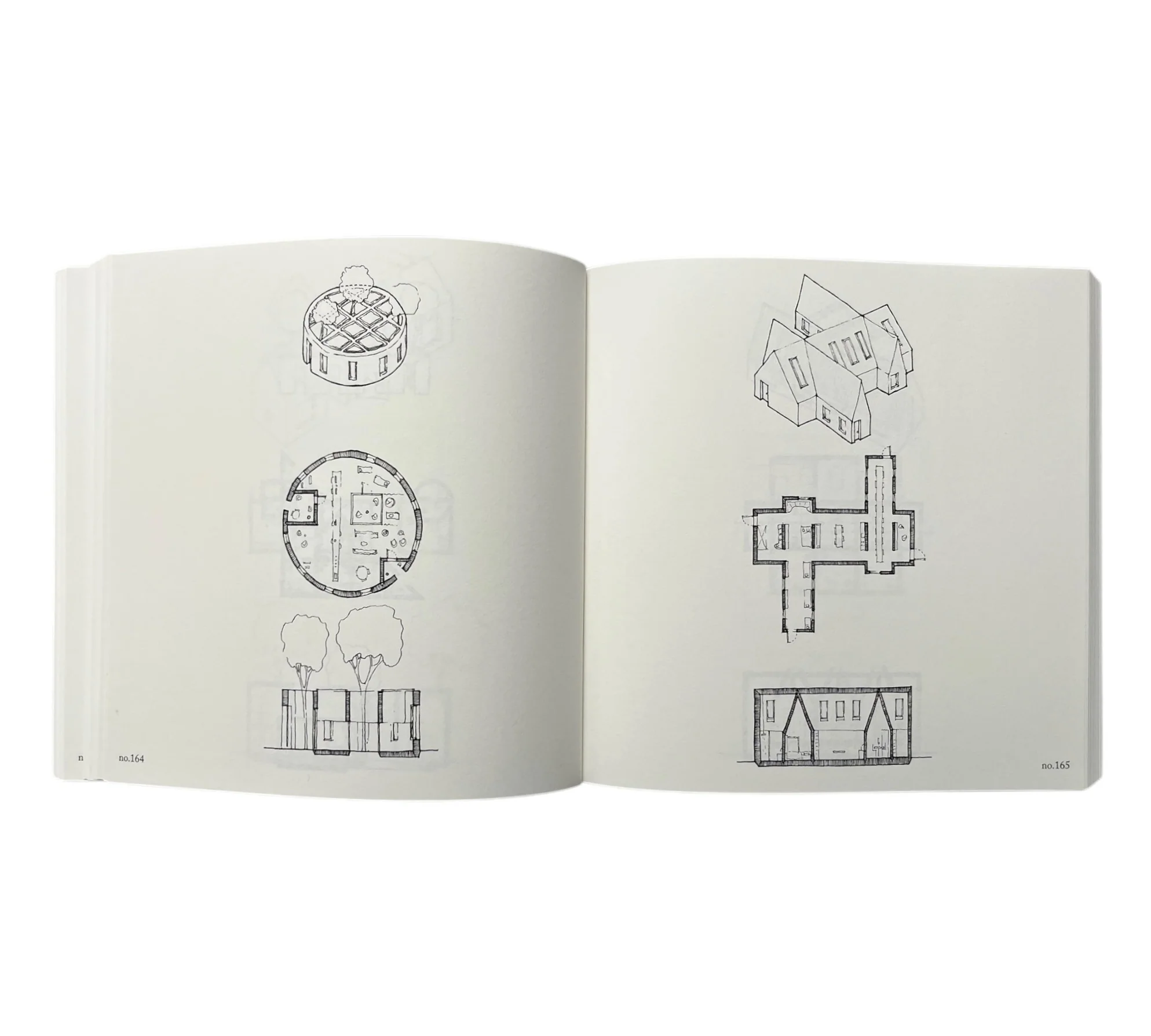
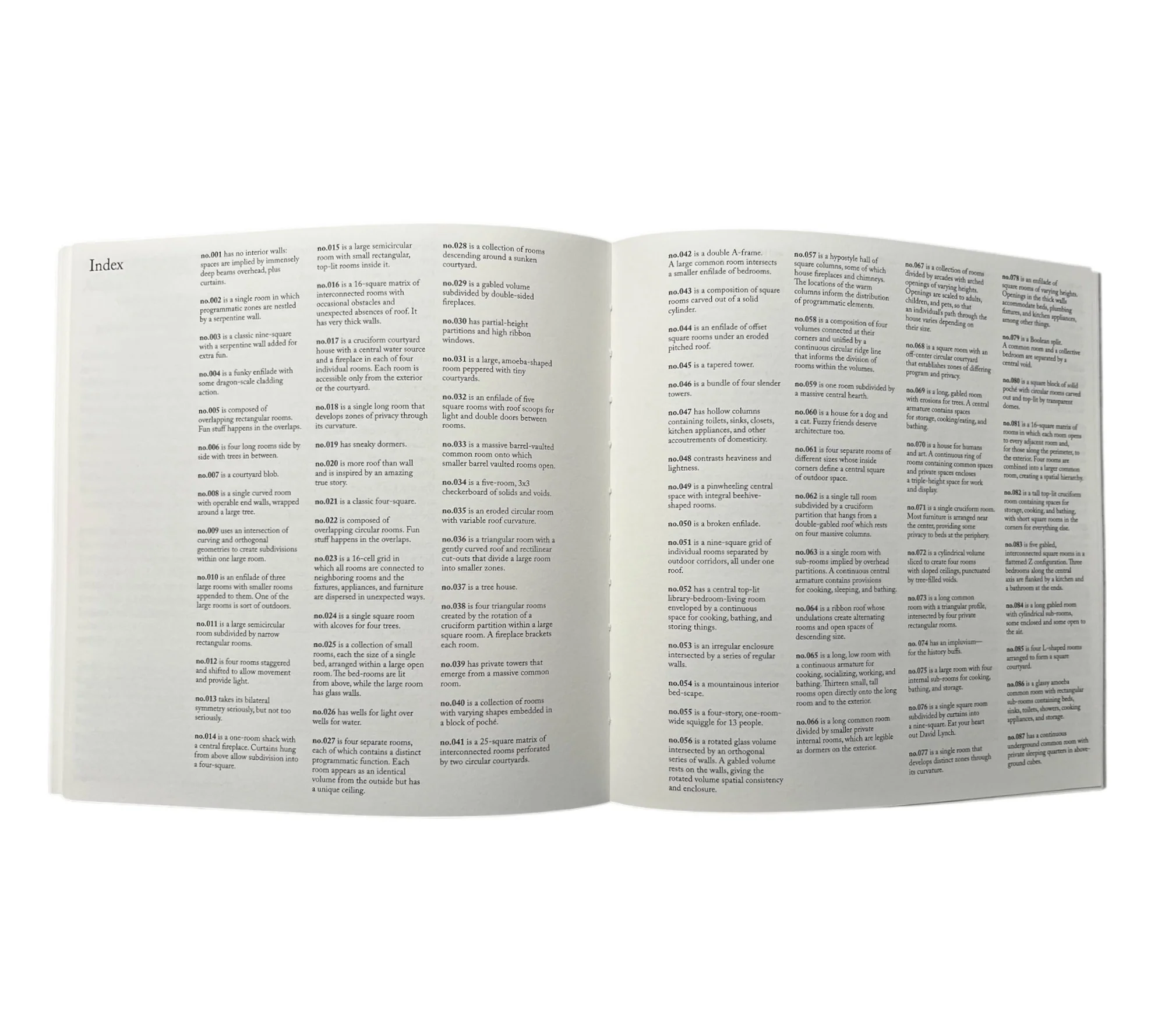
The drawings are high quality 1:1 reproductions of the originals, and the 7.5” trim size matches the size of the sketchbooks that the originals were drawn in. The drawings are each given a full page, with a subsequent section including a brief description of each drawing. While the drawings themselves are mute, and their descriptions relatively deadpan, the essays contemplate the place of the detached house in American culture from social, political, and economic perspectives.
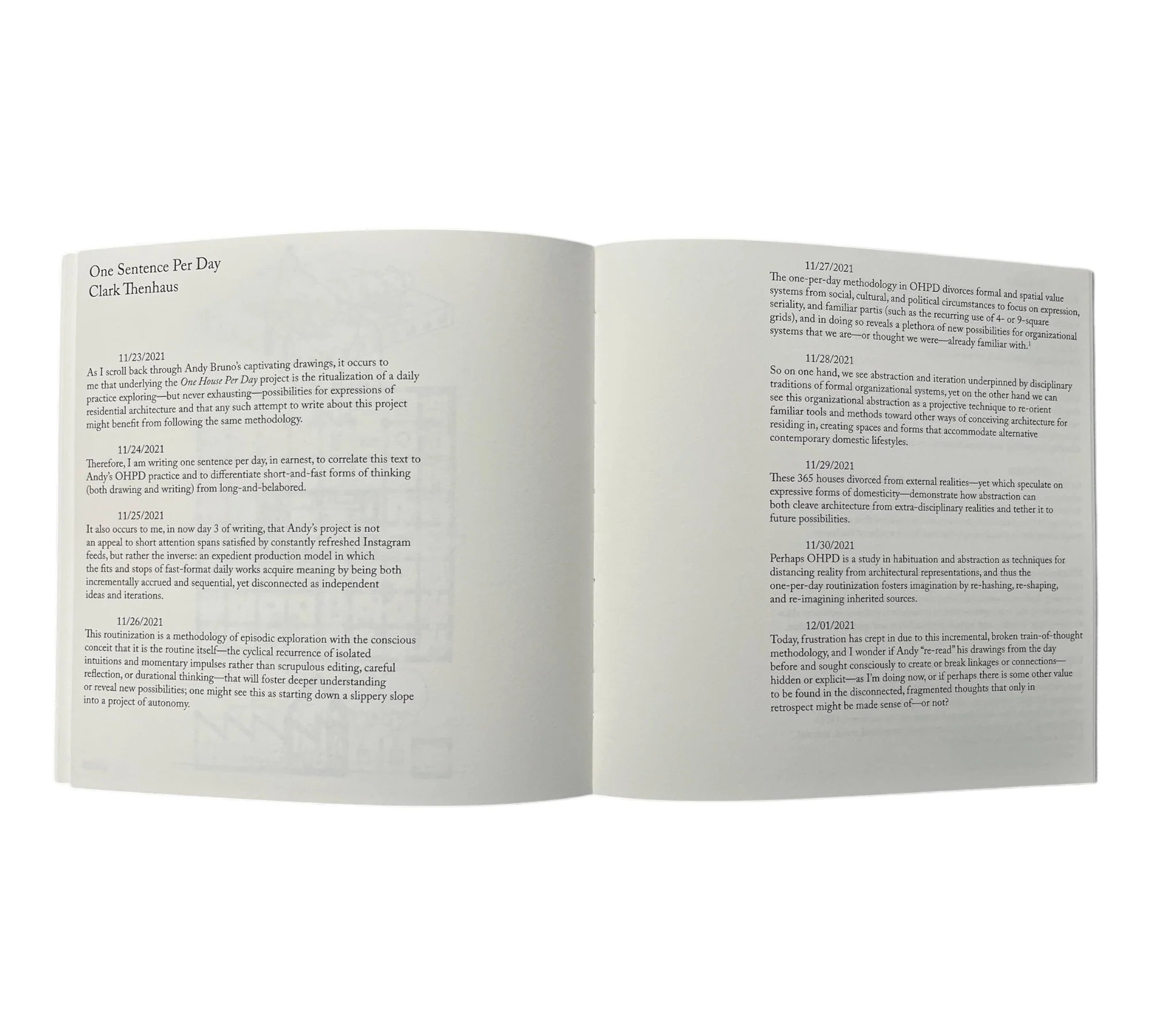
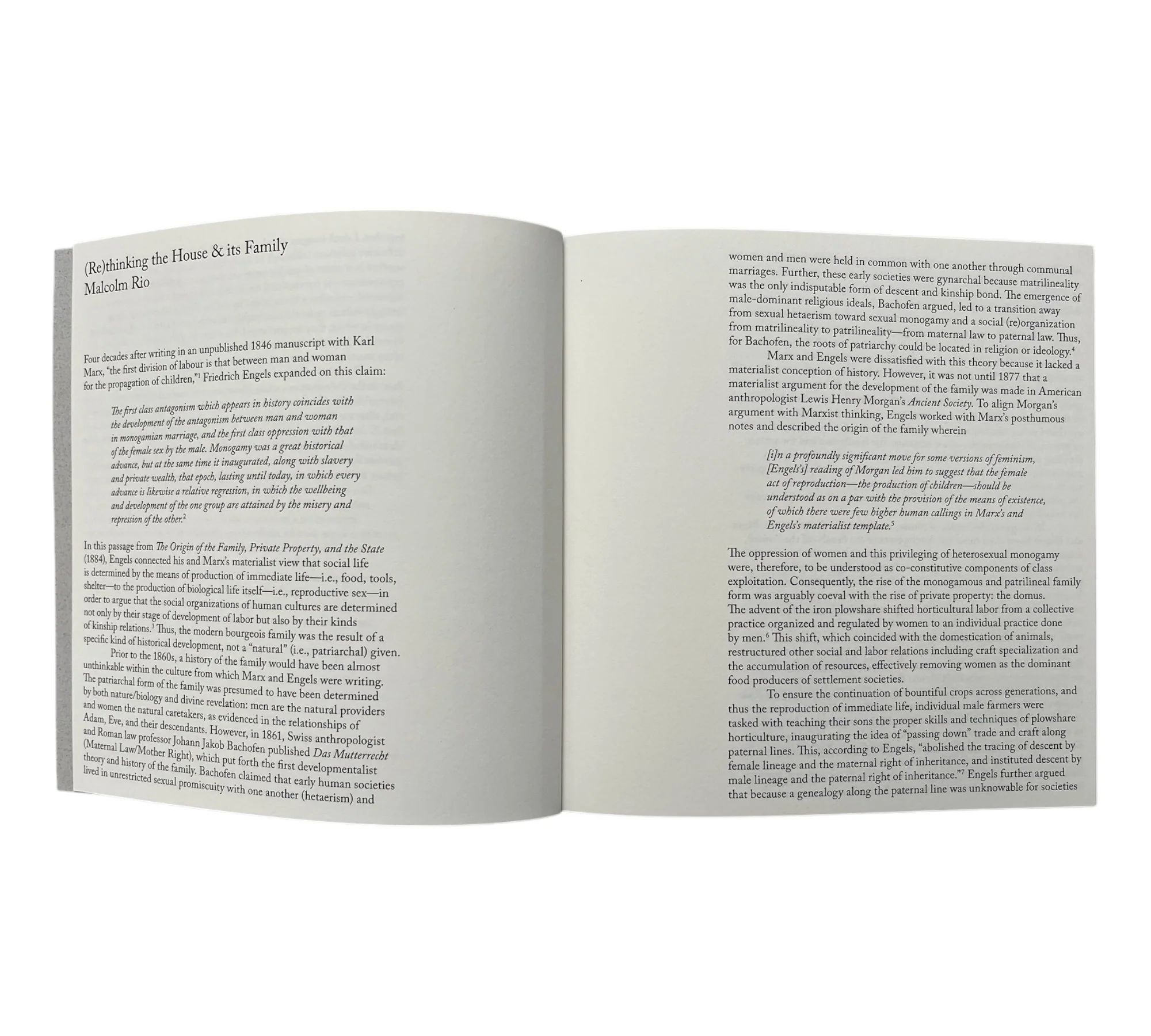
The front cover features 365 debossed circles to represent the 365 houses which gives the book a unique tactile quality. Featuring a foreword by Keith Krumwiede and essay contributions by Malcolm Rio, Alessandro Orsini & Nick Roseboro, and Clark Thenhaus.
Original: $27.07
-65%$27.07
$9.47







Description
Andrew Bruno
Softcover | 19.69 x 3.18 x 19.69 cm | 392 pp
ORO Editions | 2022 | 9781954081864
One House Per Day no.001-365 collects the first 365 drawings from Andrew Bruno’s project One House Per Day which project has an audience on social media - approximately 47,000 followers on Instagram @one_house_per_day.
The drawings are high quality 1:1 reproductions of the originals, and the 7.5” trim size matches the size of the sketchbooks that the originals were drawn in. The drawings are each given a full page, with a subsequent section including a brief description of each drawing. While the drawings themselves are mute, and their descriptions relatively deadpan, the essays contemplate the place of the detached house in American culture from social, political, and economic perspectives.
The front cover features 365 debossed circles to represent the 365 houses which gives the book a unique tactile quality. Featuring a foreword by Keith Krumwiede and essay contributions by Malcolm Rio, Alessandro Orsini & Nick Roseboro, and Clark Thenhaus.