Rachel Harrison: G-L-O-R-I-A
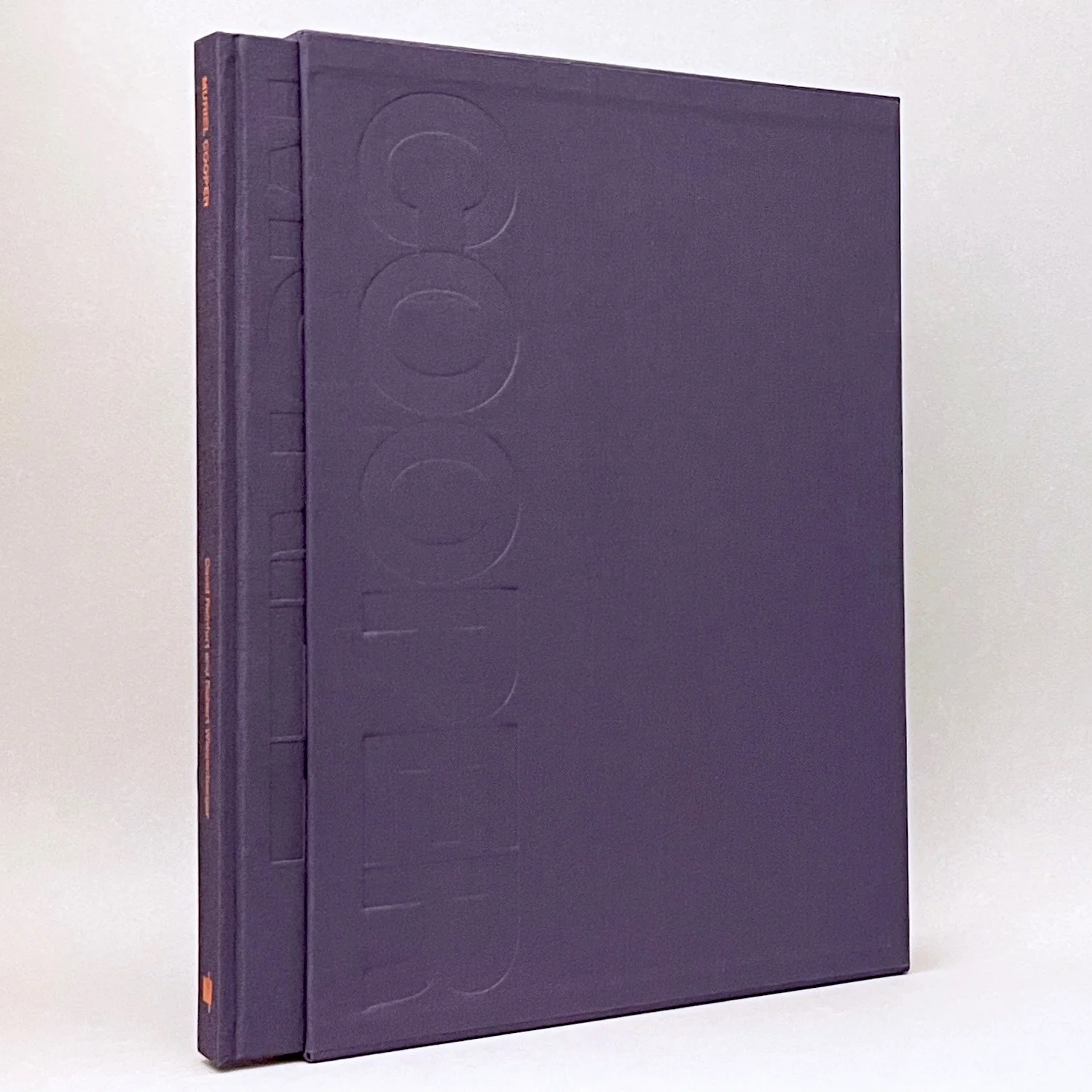
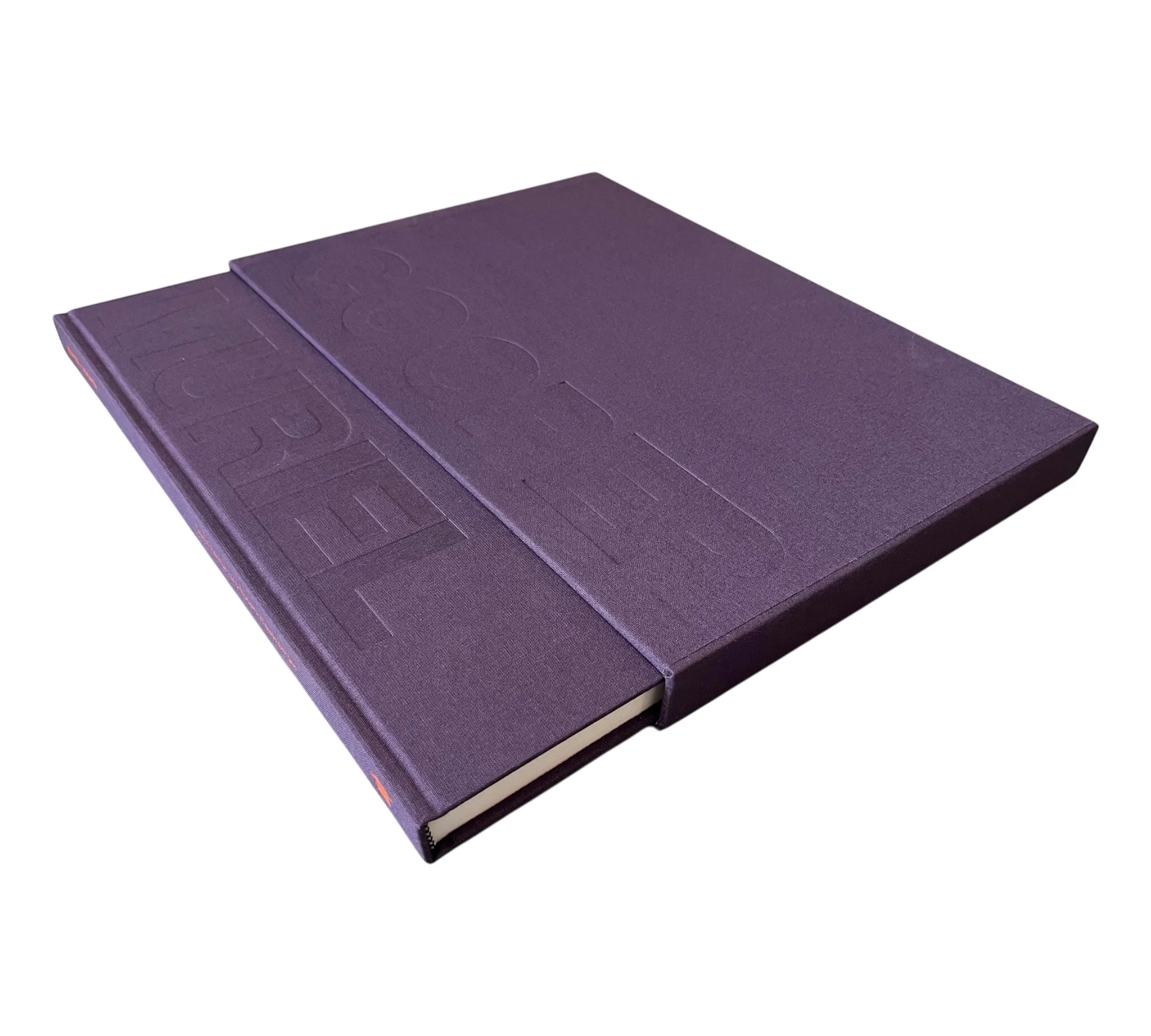
Softcover | 29.72 x 22.61 x 1.02 cm | 120 pp
Yale University Press | 2015 | 9780300215960
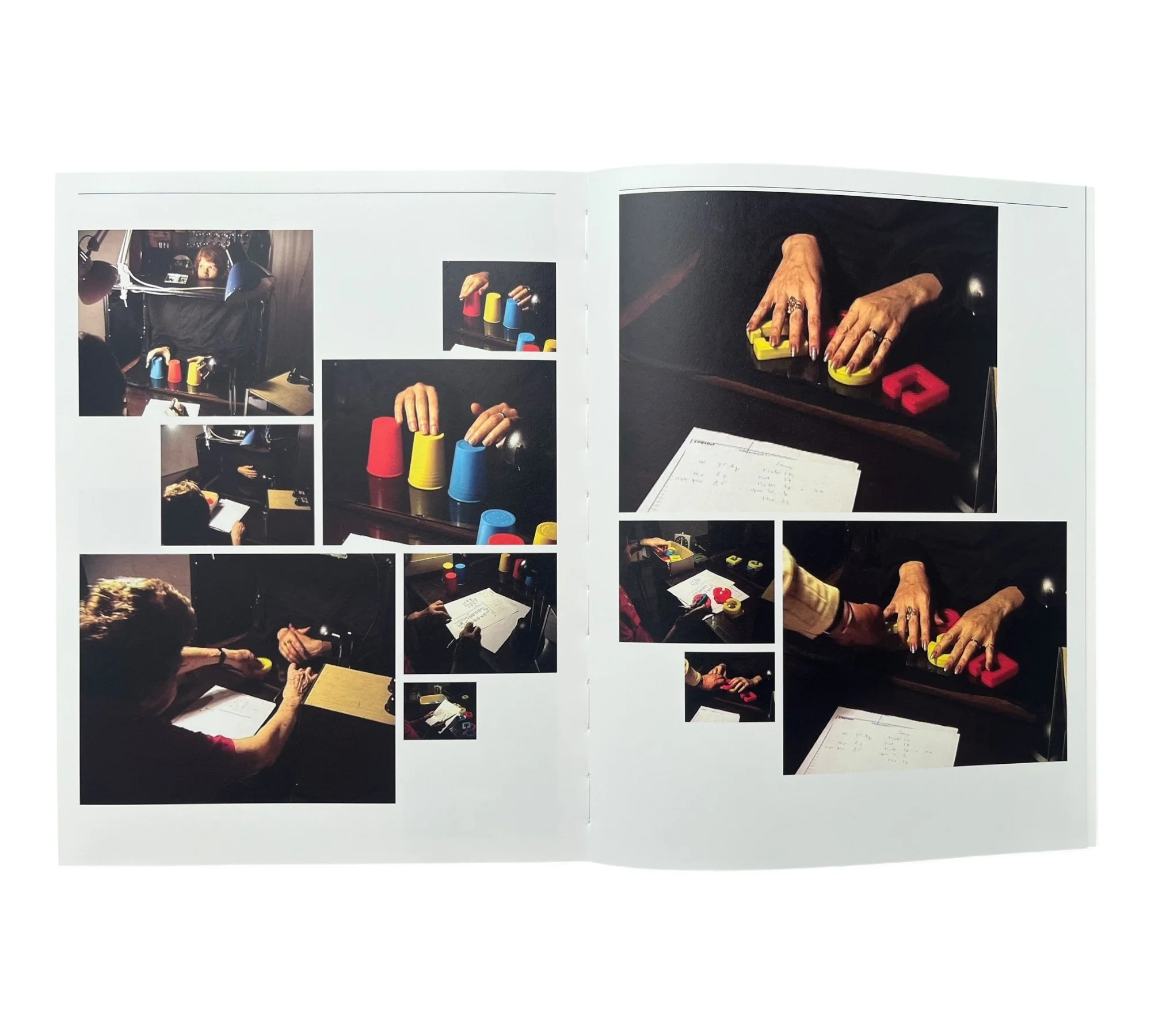
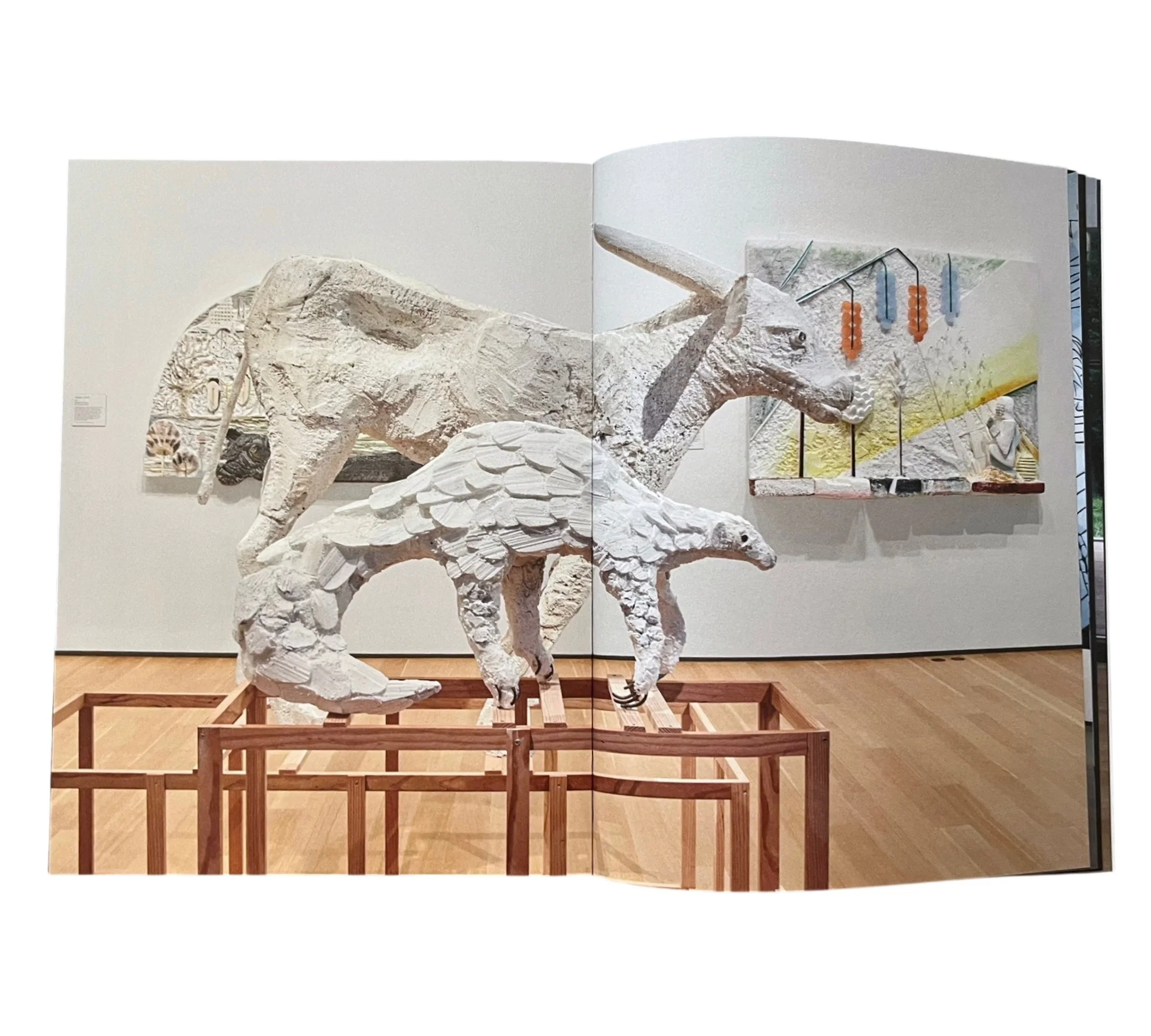
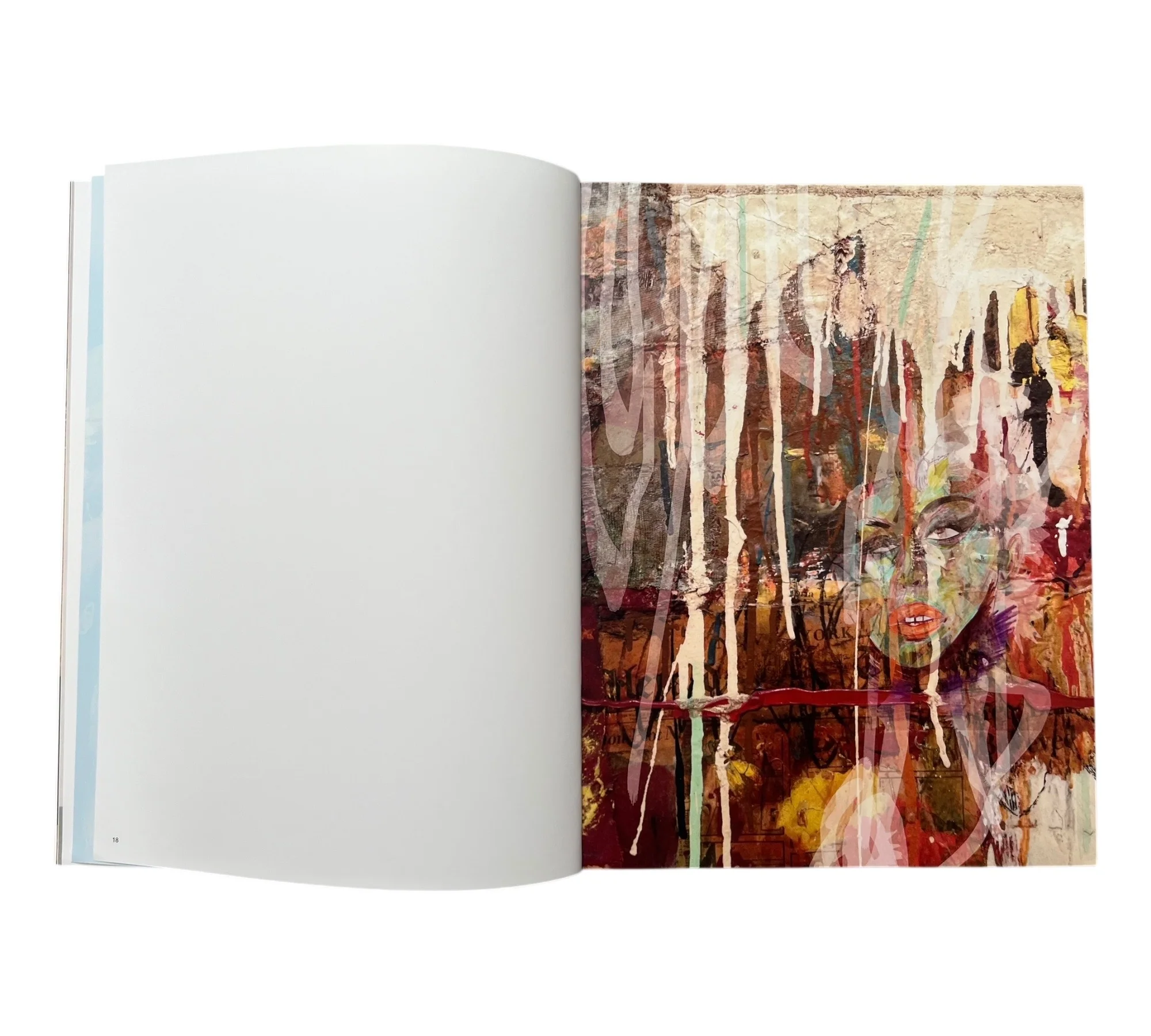
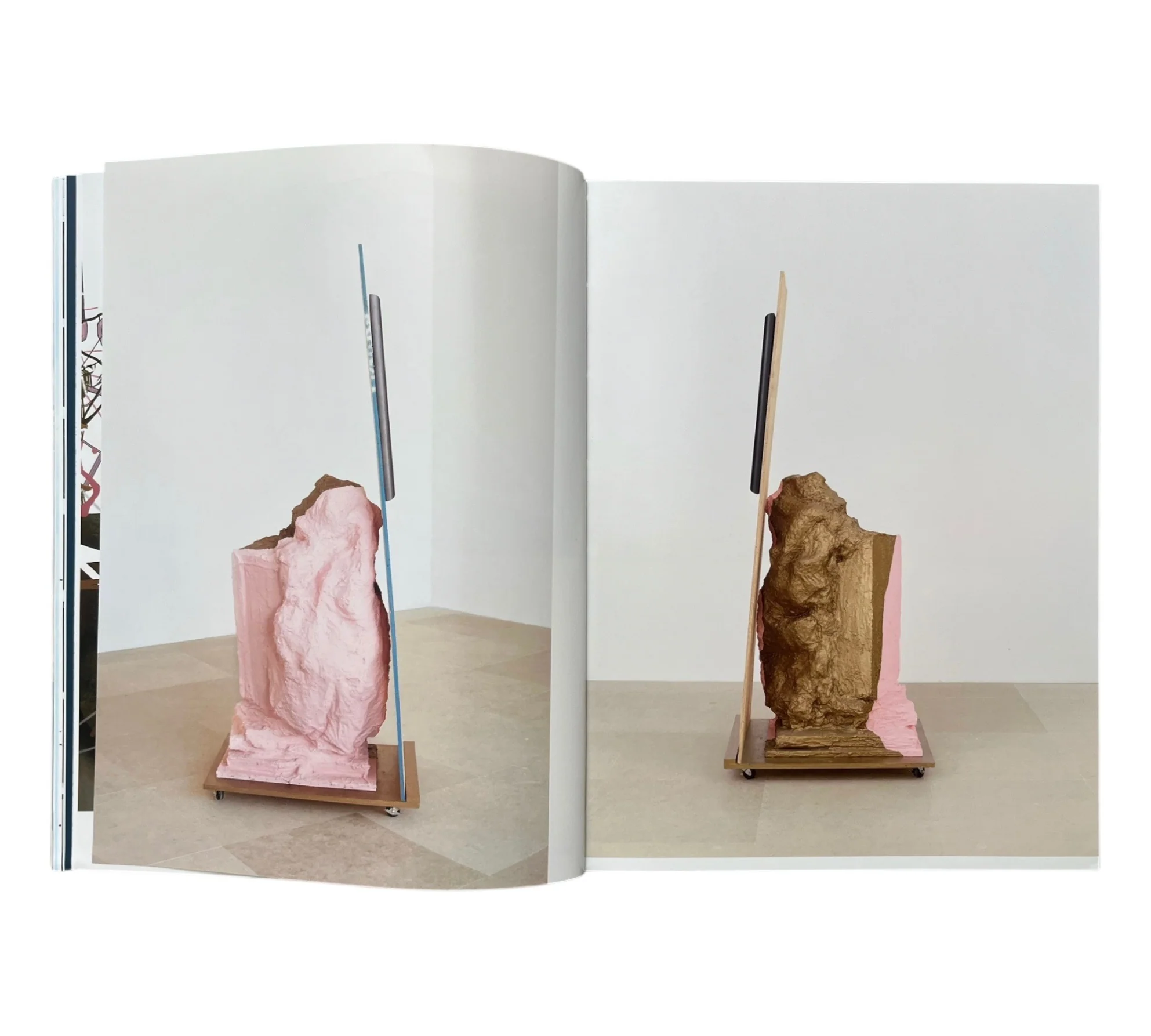
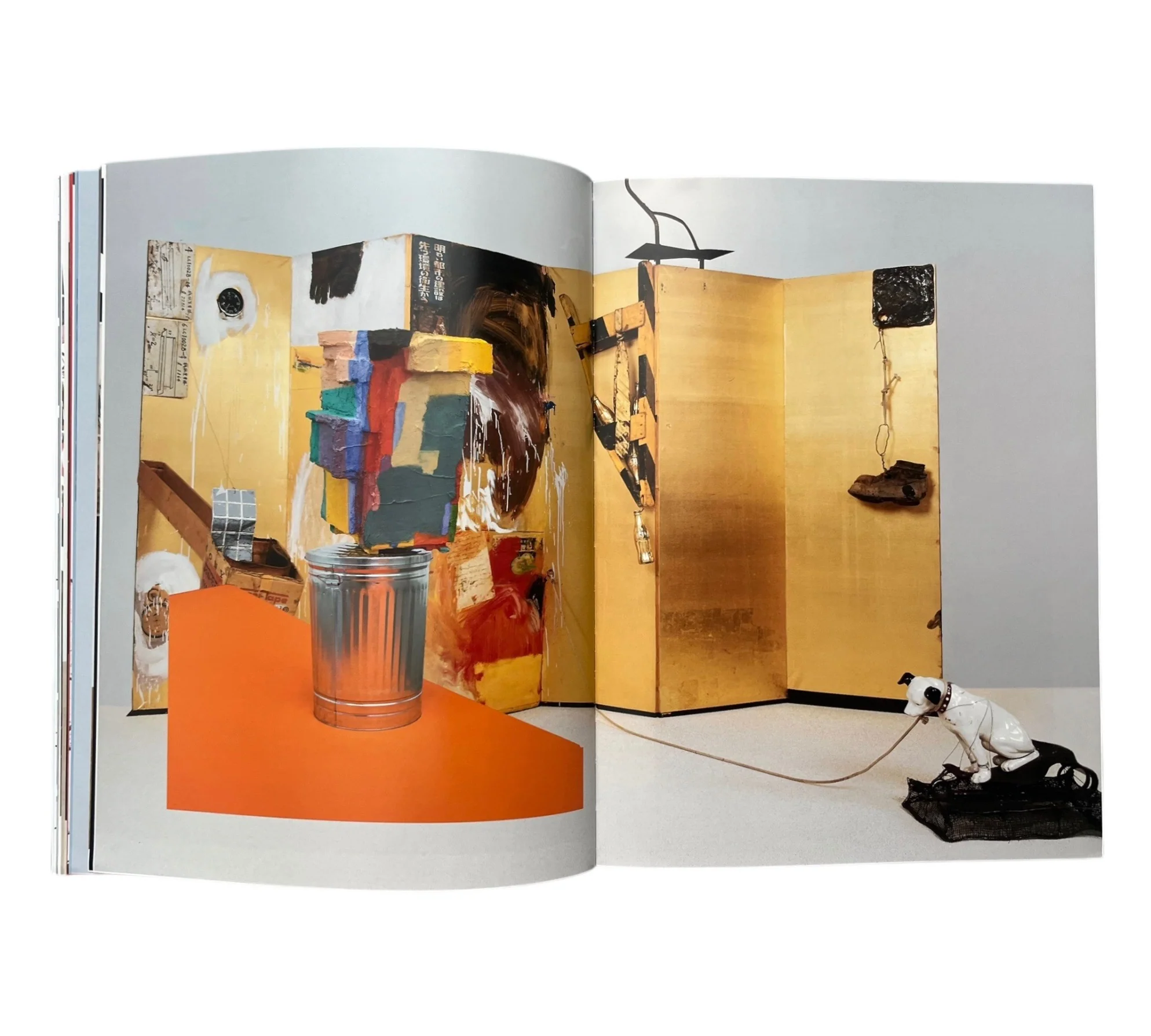
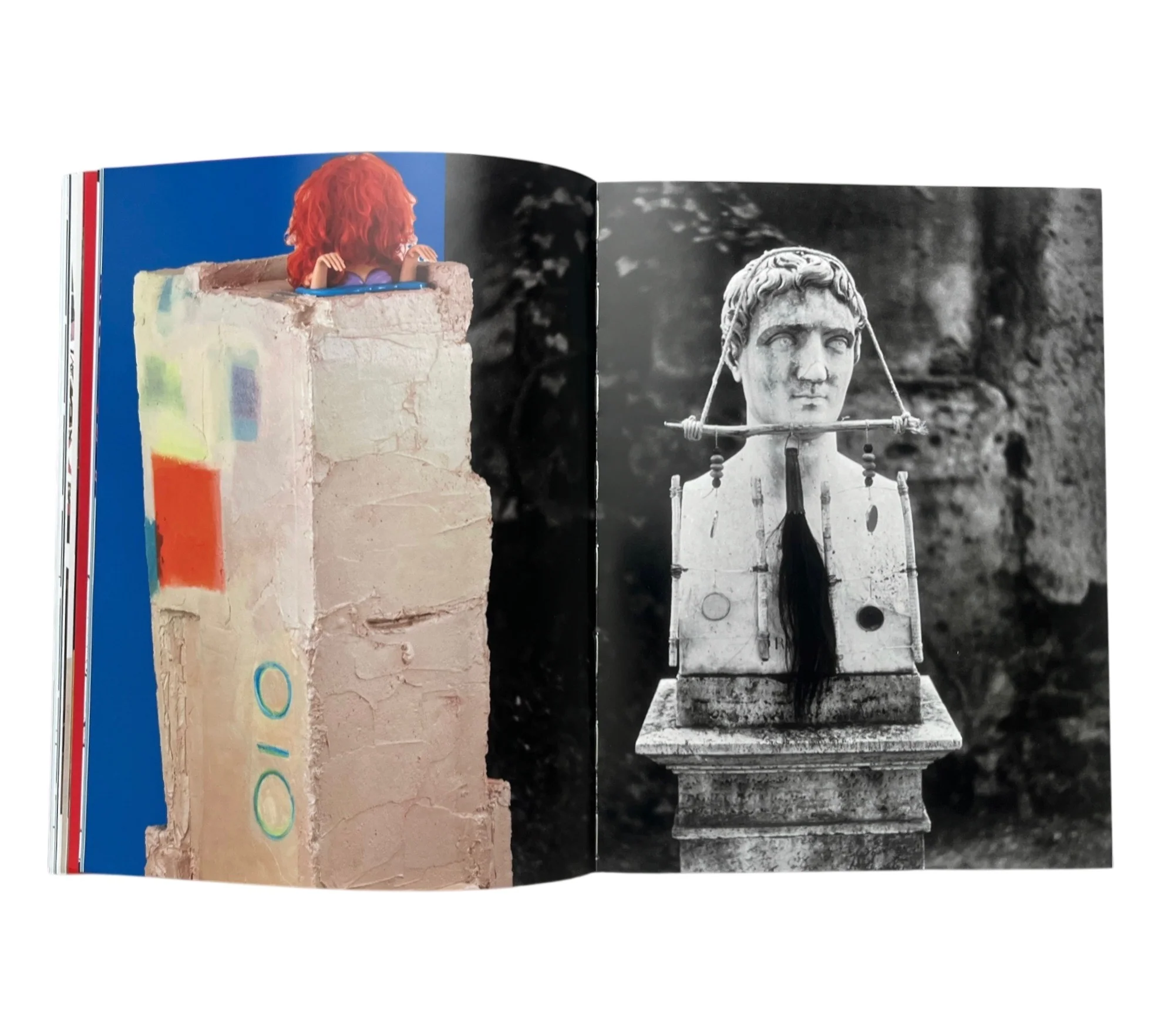
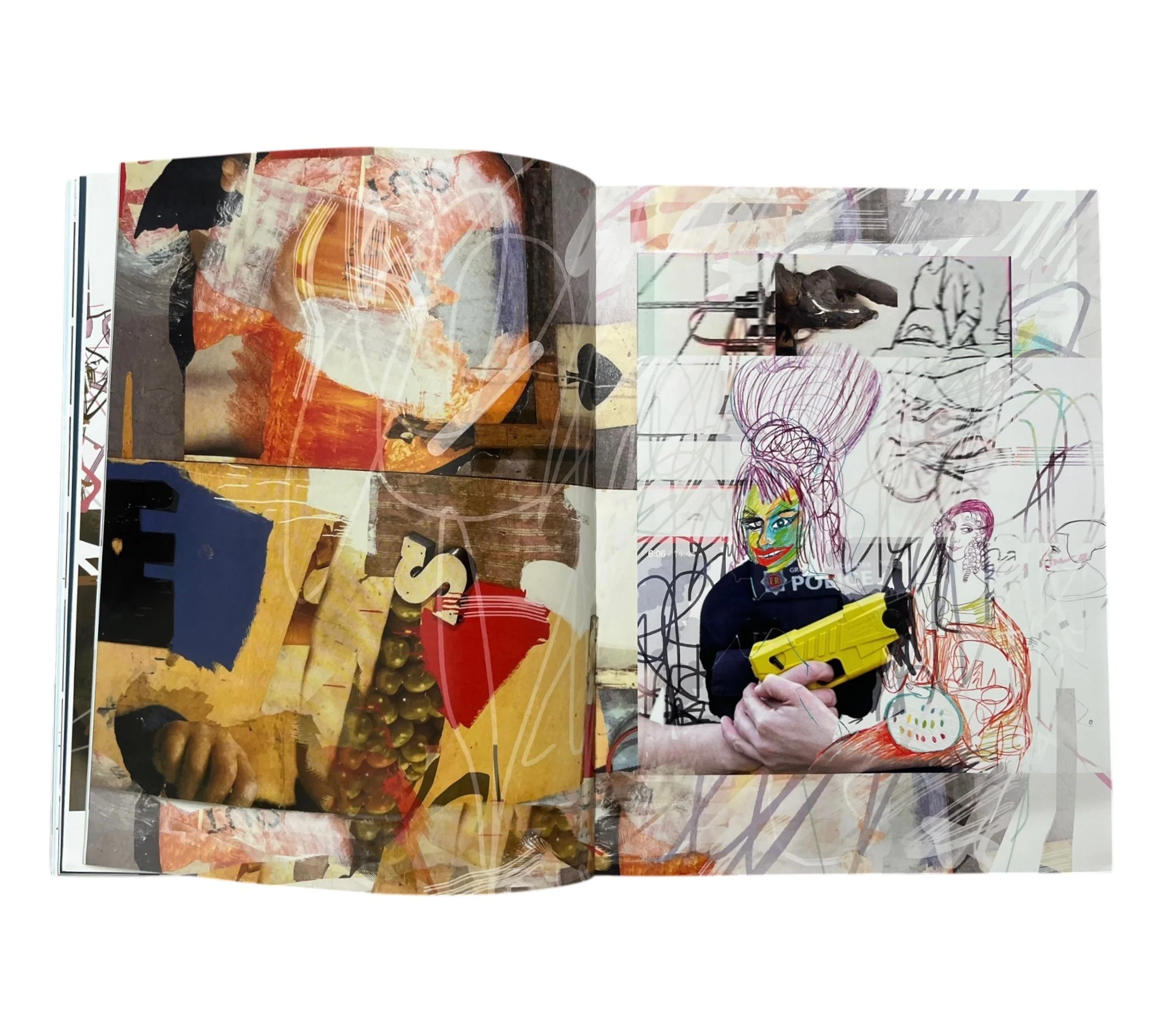
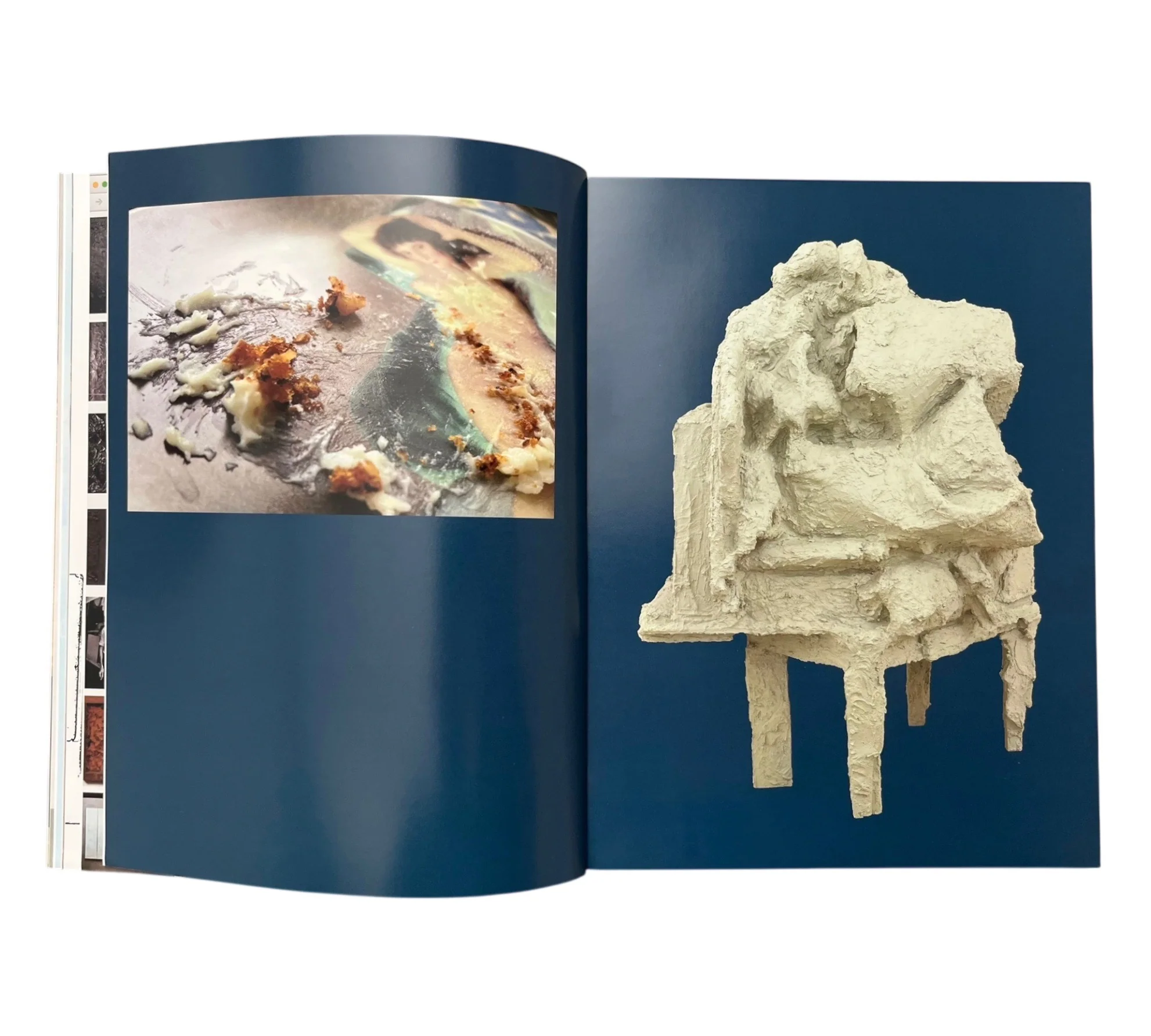
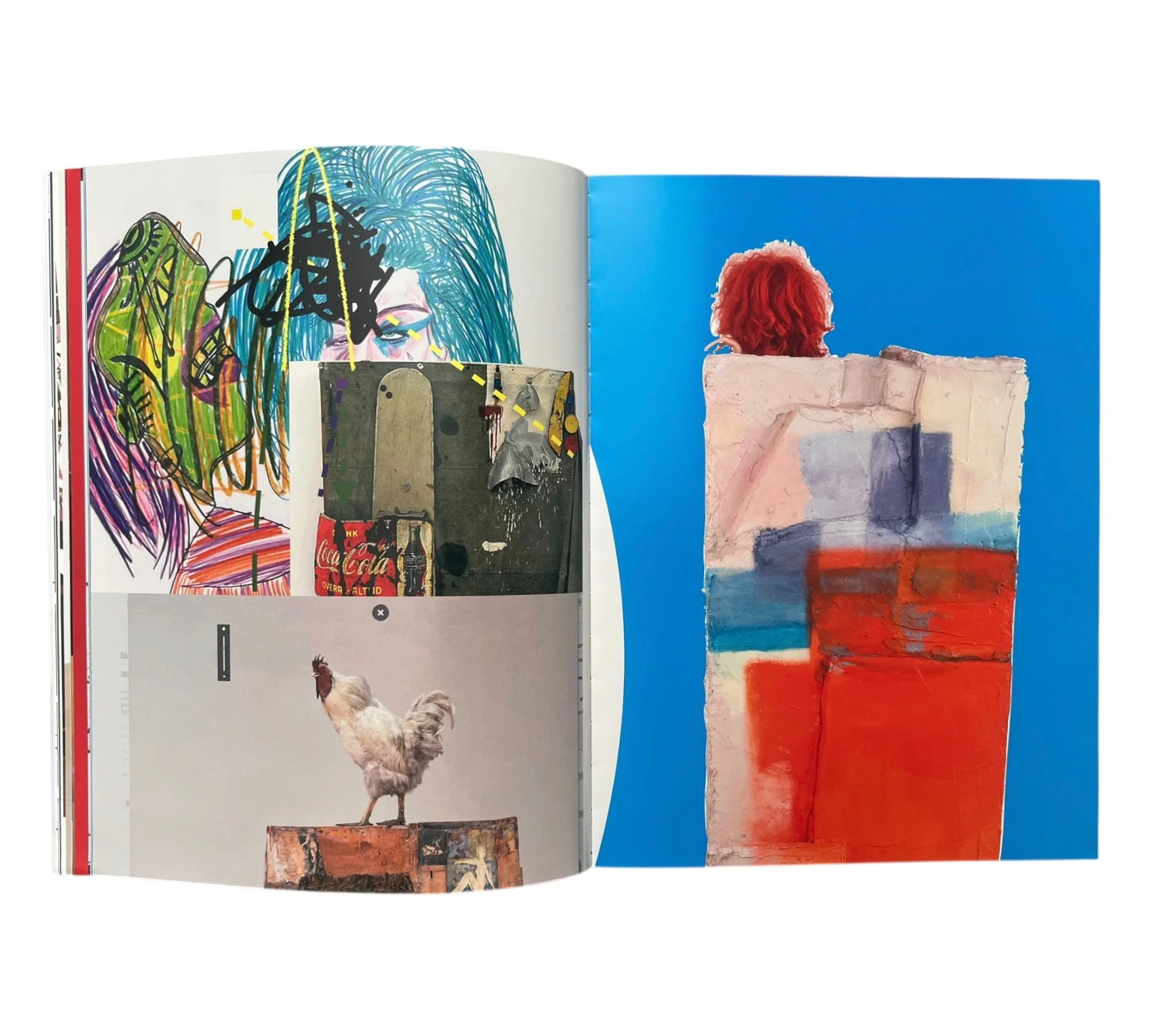
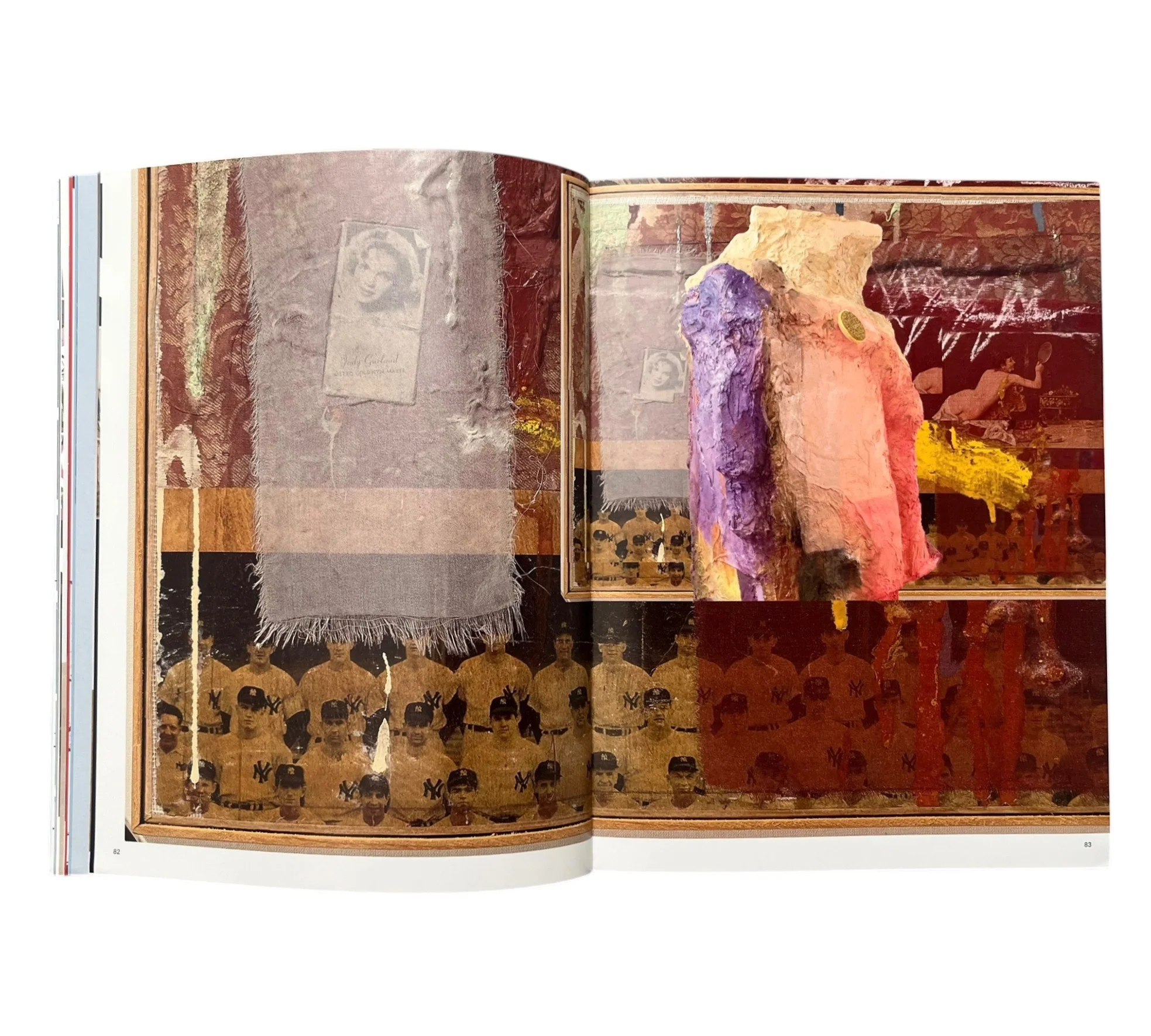
Linking two influential figures in American art, this fascinating catalogue explores the intersection between works by modern master Robert Rauschenberg (1925–2008) and innovative contemporary artist Rachel Harrison (b. 1966). Taking its name from Gloria, an iconic Rauschenberg work in the collection of the Cleveland Museum of Art, the book covers multiple aspects of Harrison’s career thus far, and uses her work as a lens to explore the lasting influence of Rauschenberg.
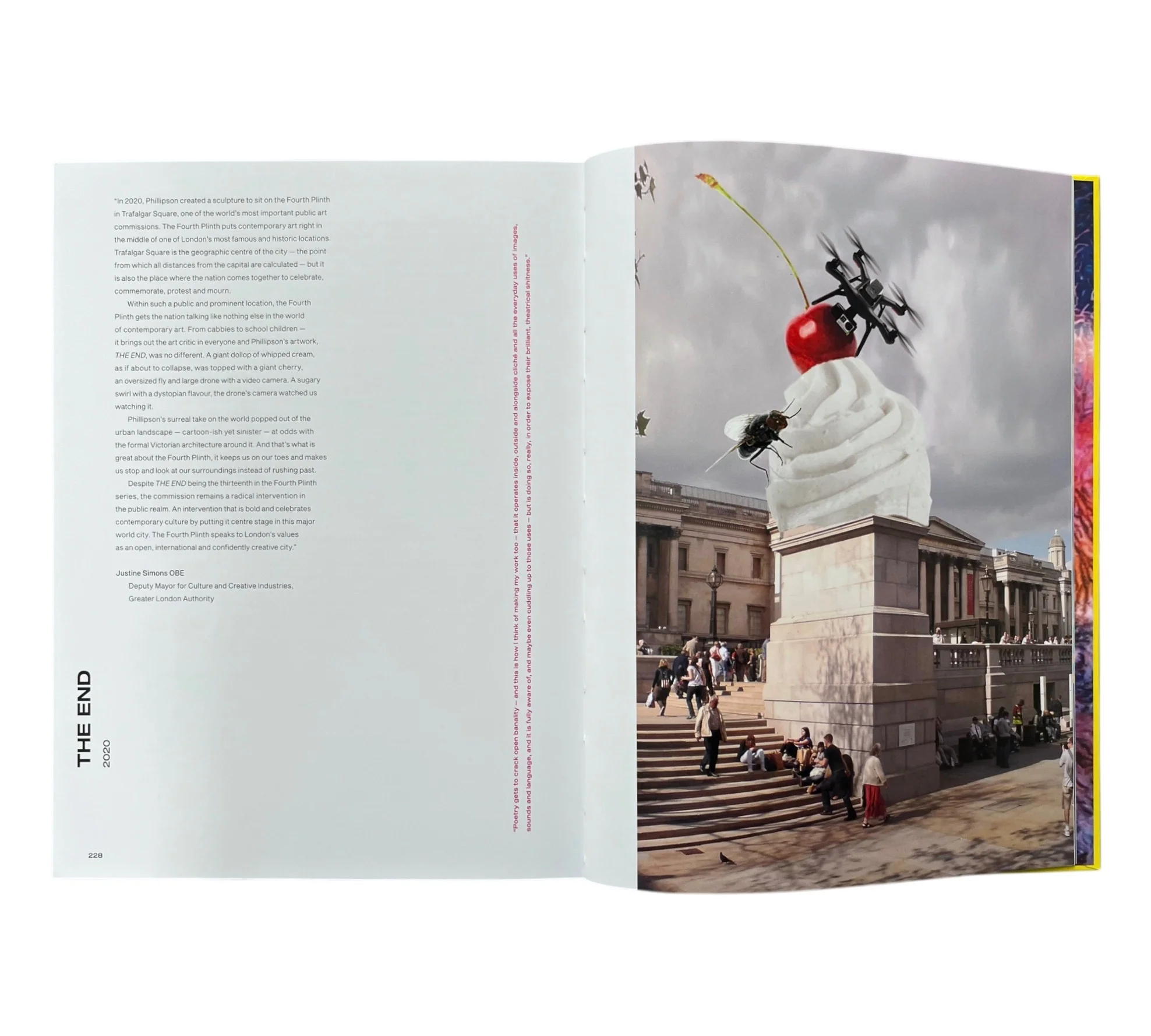
Harrison herself debuts new digital collages created specifically for this publication. Two essays underline the reason for this pairing: one, by Beau Rutland, takes a thematic approach to the interplay between Rauschenberg’s and Harrison’s practices; the other, by Johanna Burton, presents a more nuanced look at Harrison’s oeuvre.
Original: $10.15
-65%$10.15
$3.55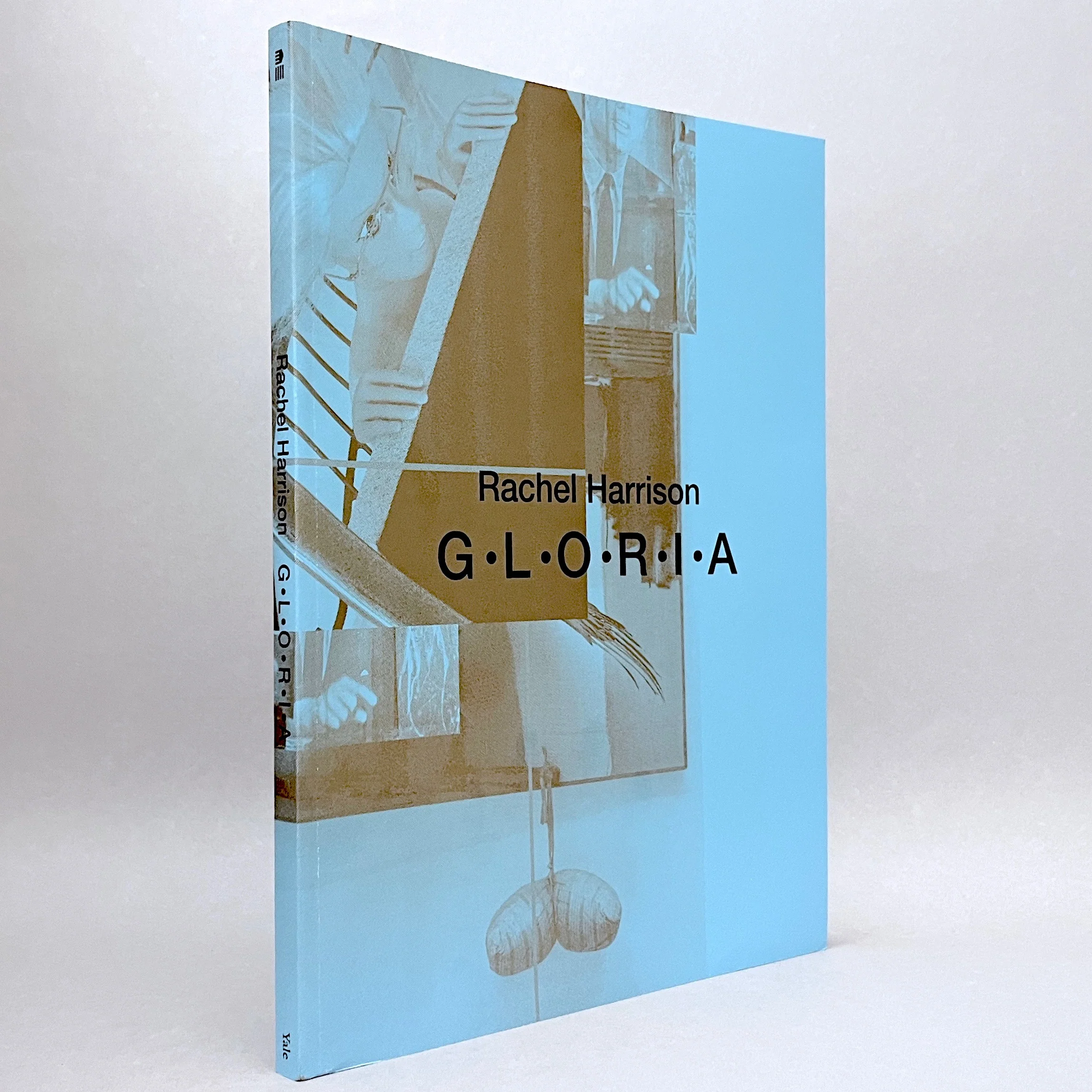


Description
Softcover | 29.72 x 22.61 x 1.02 cm | 120 pp
Yale University Press | 2015 | 9780300215960
Linking two influential figures in American art, this fascinating catalogue explores the intersection between works by modern master Robert Rauschenberg (1925–2008) and innovative contemporary artist Rachel Harrison (b. 1966). Taking its name from Gloria, an iconic Rauschenberg work in the collection of the Cleveland Museum of Art, the book covers multiple aspects of Harrison’s career thus far, and uses her work as a lens to explore the lasting influence of Rauschenberg.
Harrison herself debuts new digital collages created specifically for this publication. Two essays underline the reason for this pairing: one, by Beau Rutland, takes a thematic approach to the interplay between Rauschenberg’s and Harrison’s practices; the other, by Johanna Burton, presents a more nuanced look at Harrison’s oeuvre.