Theatre: Art Brut - The Collection
Anic Zanzi
Softcover | 20.9 x 1.37 x 25.88 cm | 144 pp
5 Continents Editions | 2020 | 9788874399055
The Collection de l'Art Brut inherited some five thousand pieces collected between 1945 and 1971 by Jean Dubuffet, founder of the concept of Art Brut. It currently boasts more than seventy-thousand works, the result of research and acquisitions carried out over more than forty years.
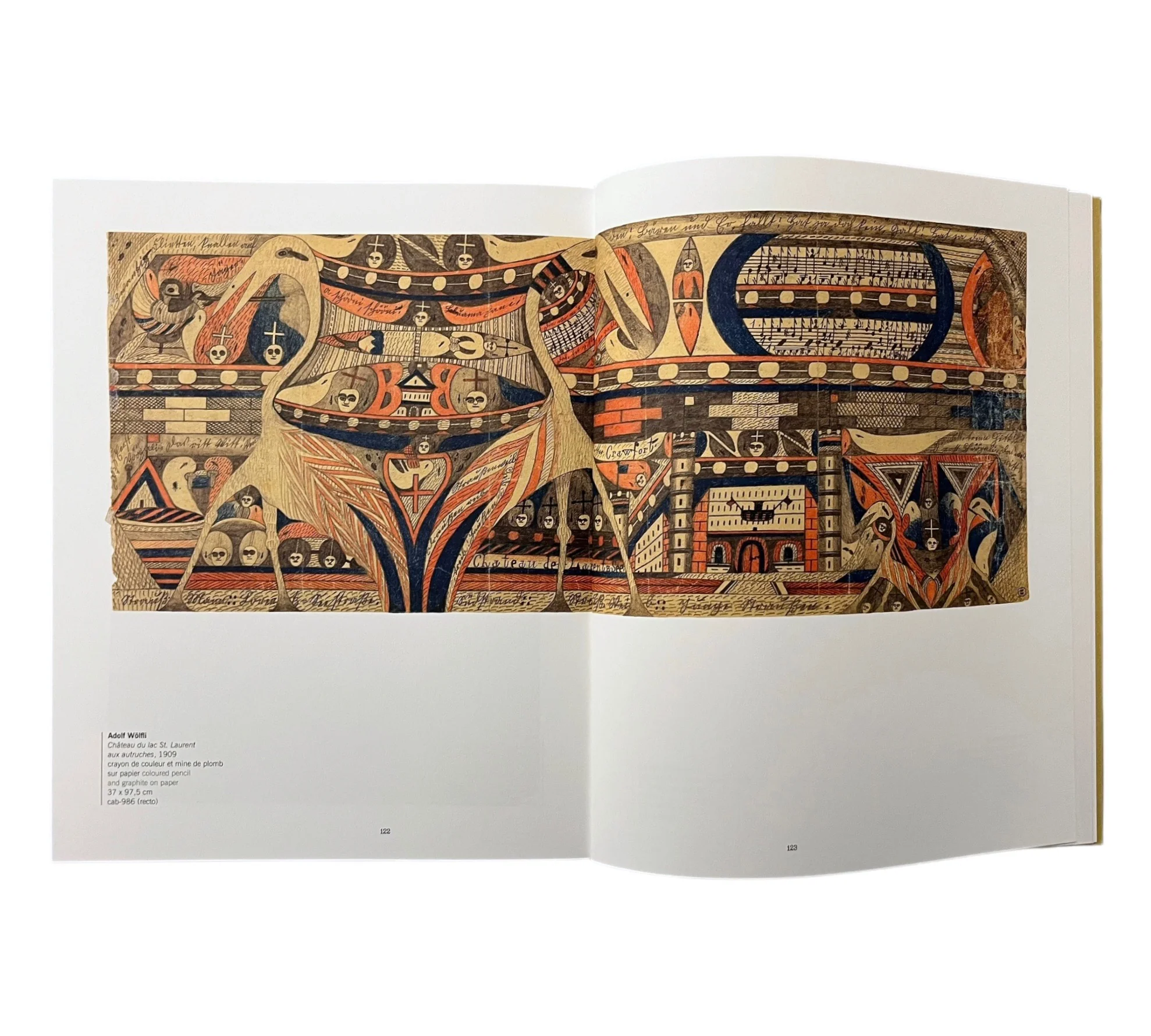
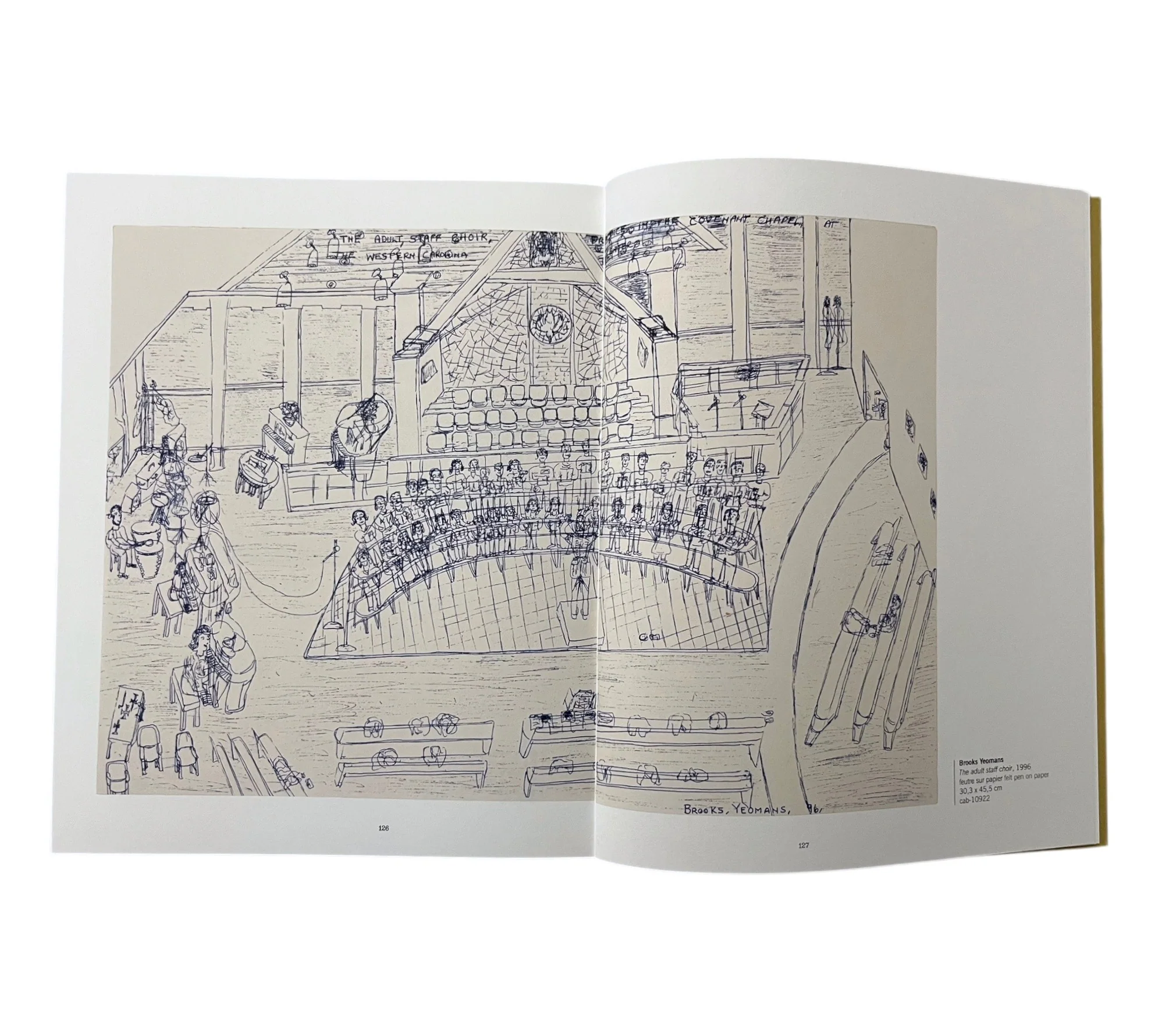
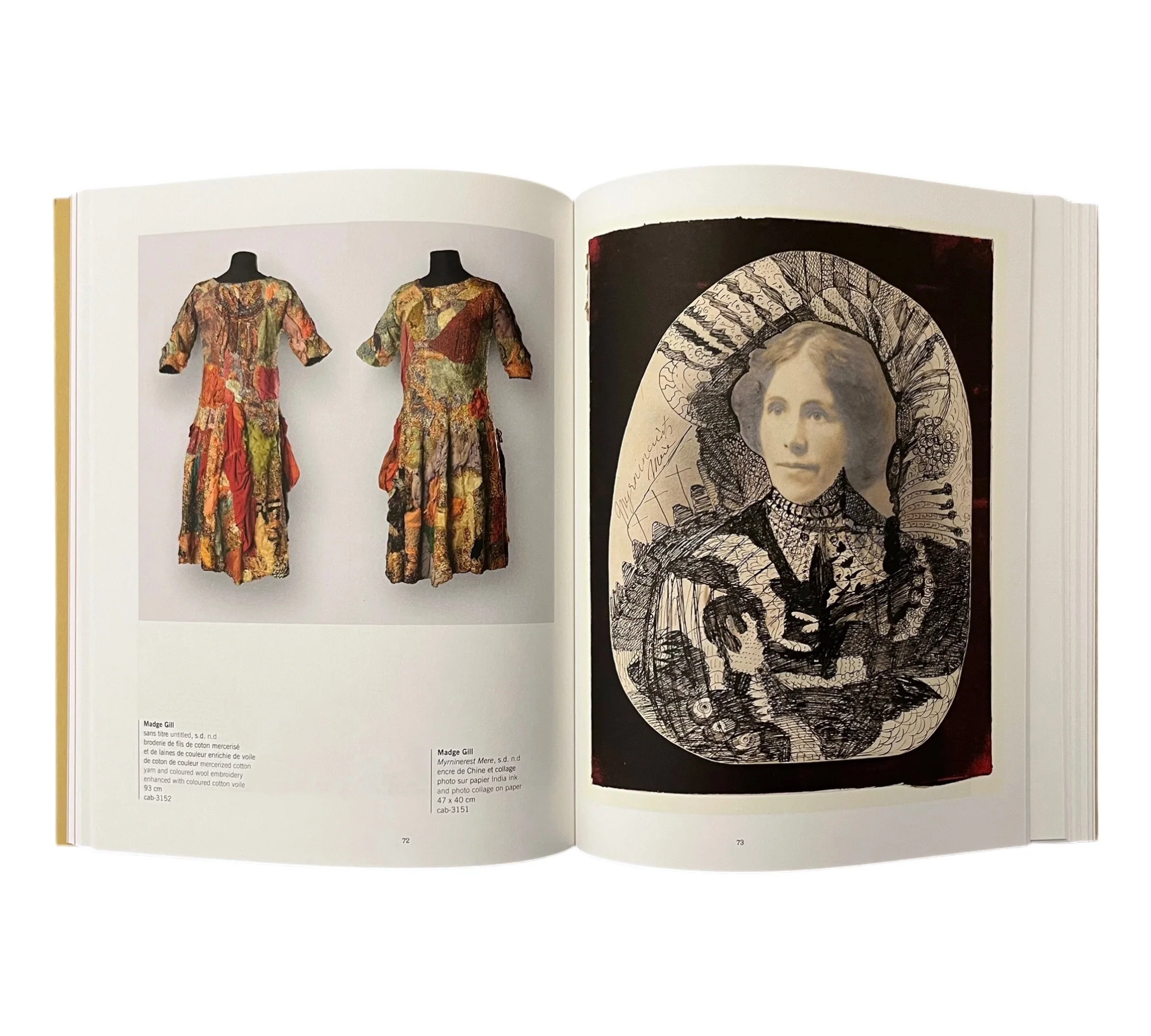
This book explores the relationship between theatre and Art Brut opening up new perspectives on these works and providing an opportunity to bring together works of a very diverse nature: drawings, paintings, photographs, sculptures, and adornments. A large number of films and documents, predominantly from the Collection de l'Art Brut archives, provide invaluable information on the creative context of the works as well as giving them an added dimension.
Some of the artists selected appropriate theatrical codes with a view to designing a
project of which they are the primary beneficiaries. Others testify to an intuitive practice of staging or 'performance'. They wear clothes and accessories made with their own hands and, by interacting with public space, their bodies become the medium for messages they share or advocate. Others define a singular universe within their works by creating a context, a backdrop, lighting, and staging.
Original: $16.92
-65%$16.92
$5.92




Description
Anic Zanzi
Softcover | 20.9 x 1.37 x 25.88 cm | 144 pp
5 Continents Editions | 2020 | 9788874399055
The Collection de l'Art Brut inherited some five thousand pieces collected between 1945 and 1971 by Jean Dubuffet, founder of the concept of Art Brut. It currently boasts more than seventy-thousand works, the result of research and acquisitions carried out over more than forty years.
This book explores the relationship between theatre and Art Brut opening up new perspectives on these works and providing an opportunity to bring together works of a very diverse nature: drawings, paintings, photographs, sculptures, and adornments. A large number of films and documents, predominantly from the Collection de l'Art Brut archives, provide invaluable information on the creative context of the works as well as giving them an added dimension.
Some of the artists selected appropriate theatrical codes with a view to designing a
project of which they are the primary beneficiaries. Others testify to an intuitive practice of staging or 'performance'. They wear clothes and accessories made with their own hands and, by interacting with public space, their bodies become the medium for messages they share or advocate. Others define a singular universe within their works by creating a context, a backdrop, lighting, and staging.