Helio Oiticica: To Organize Delirium
Hardcover | 23.01 x 3.2 x 28.73 cm | 320 pp
Prestel | 2016 | 9783791355221
The most comprehensive study to date of Helio Oiticica, one of the world's foremost practitioners of neo-concretism, who is internationally recognised for his innovative and participatory work. In his ingeniously constructed works, Oiticica revolutionised the idea of interactive art.
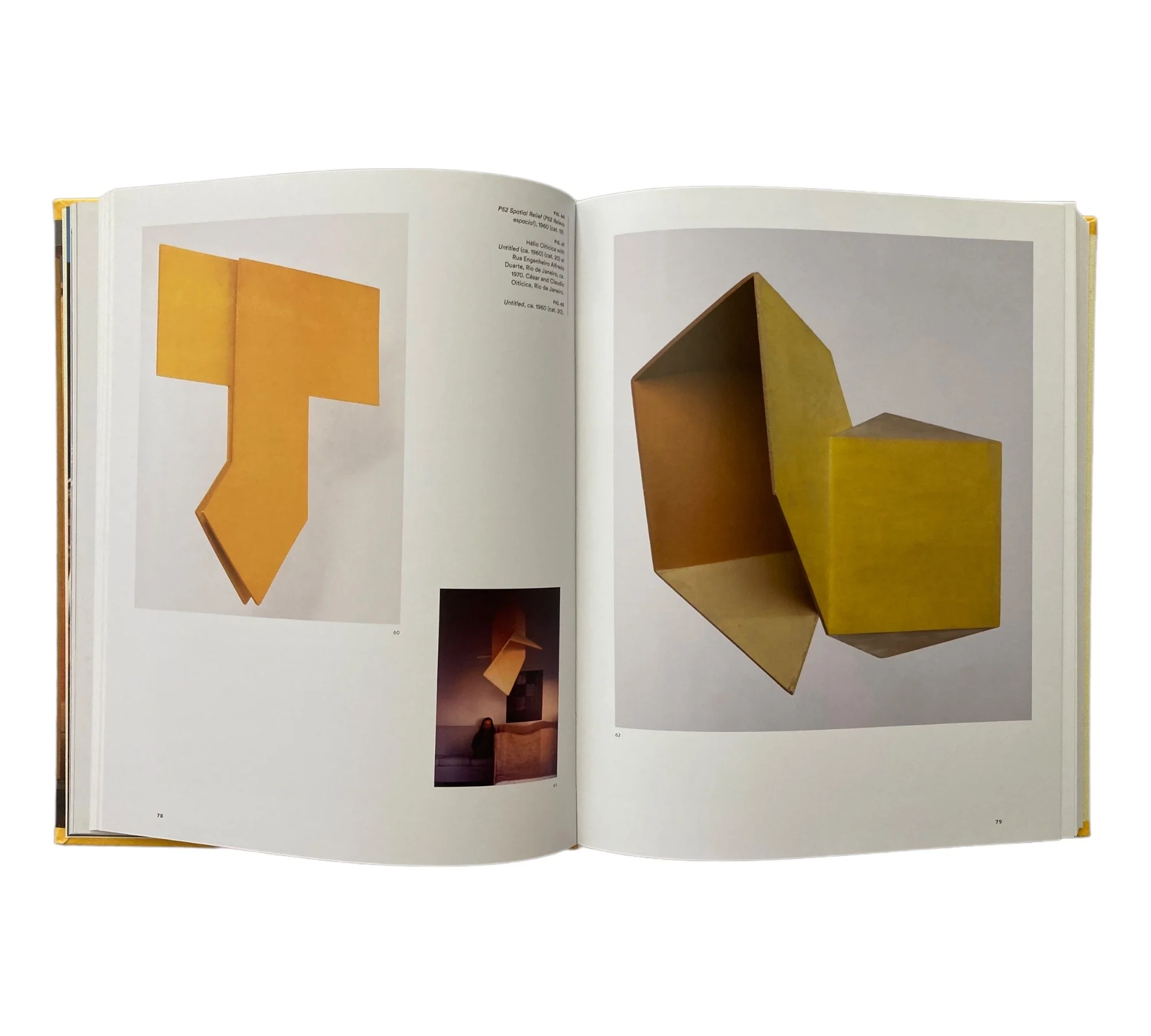
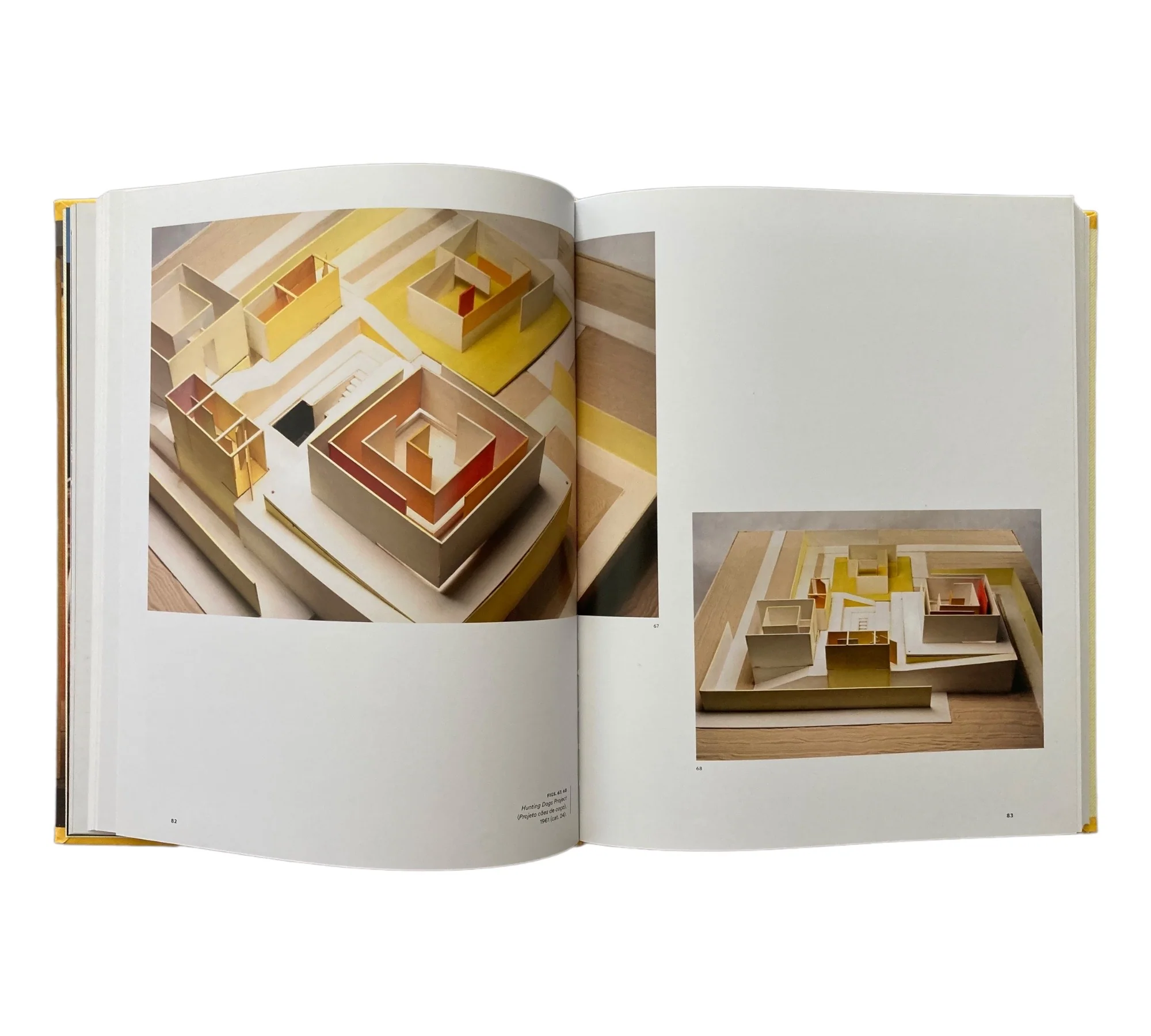
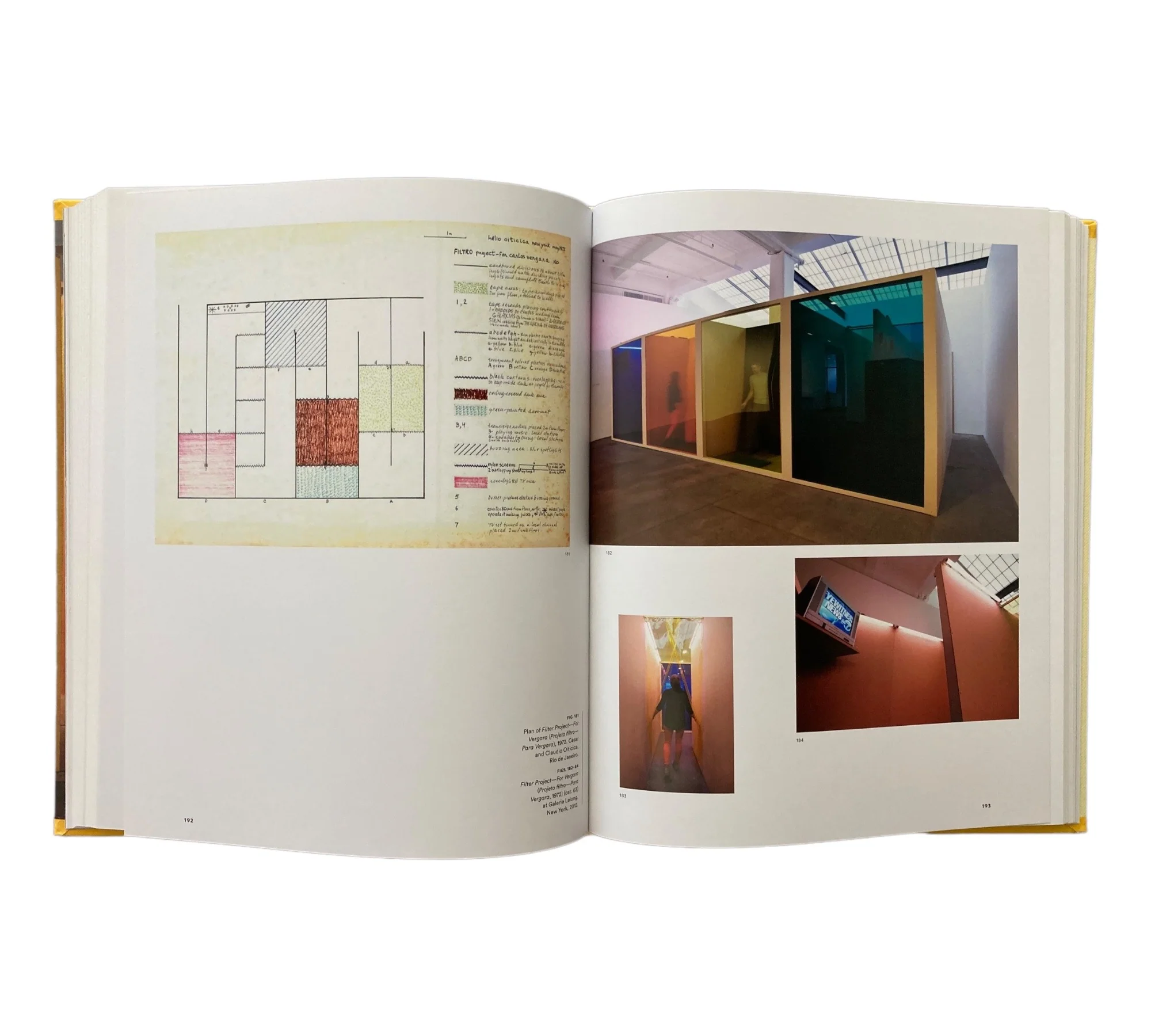
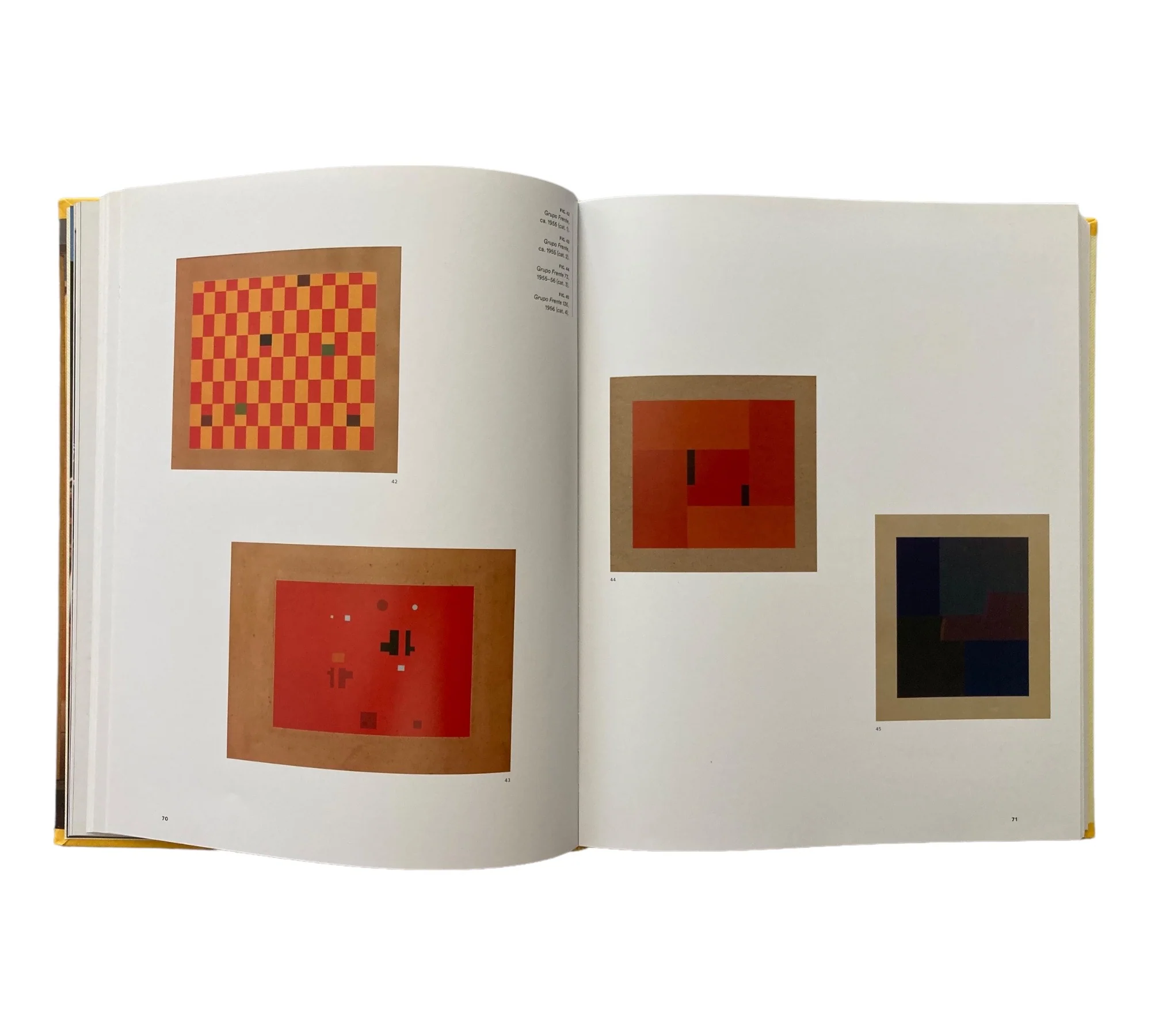
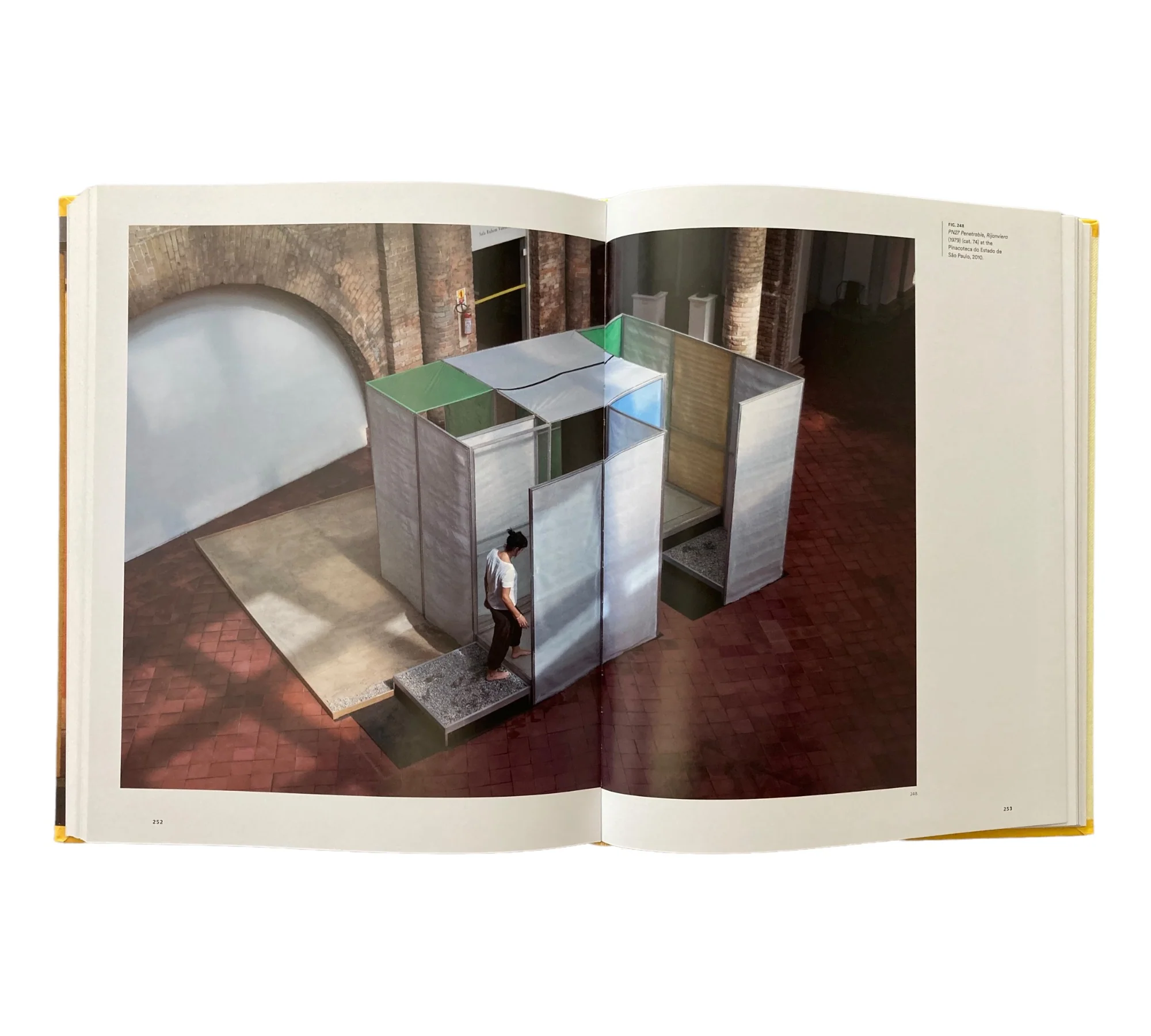
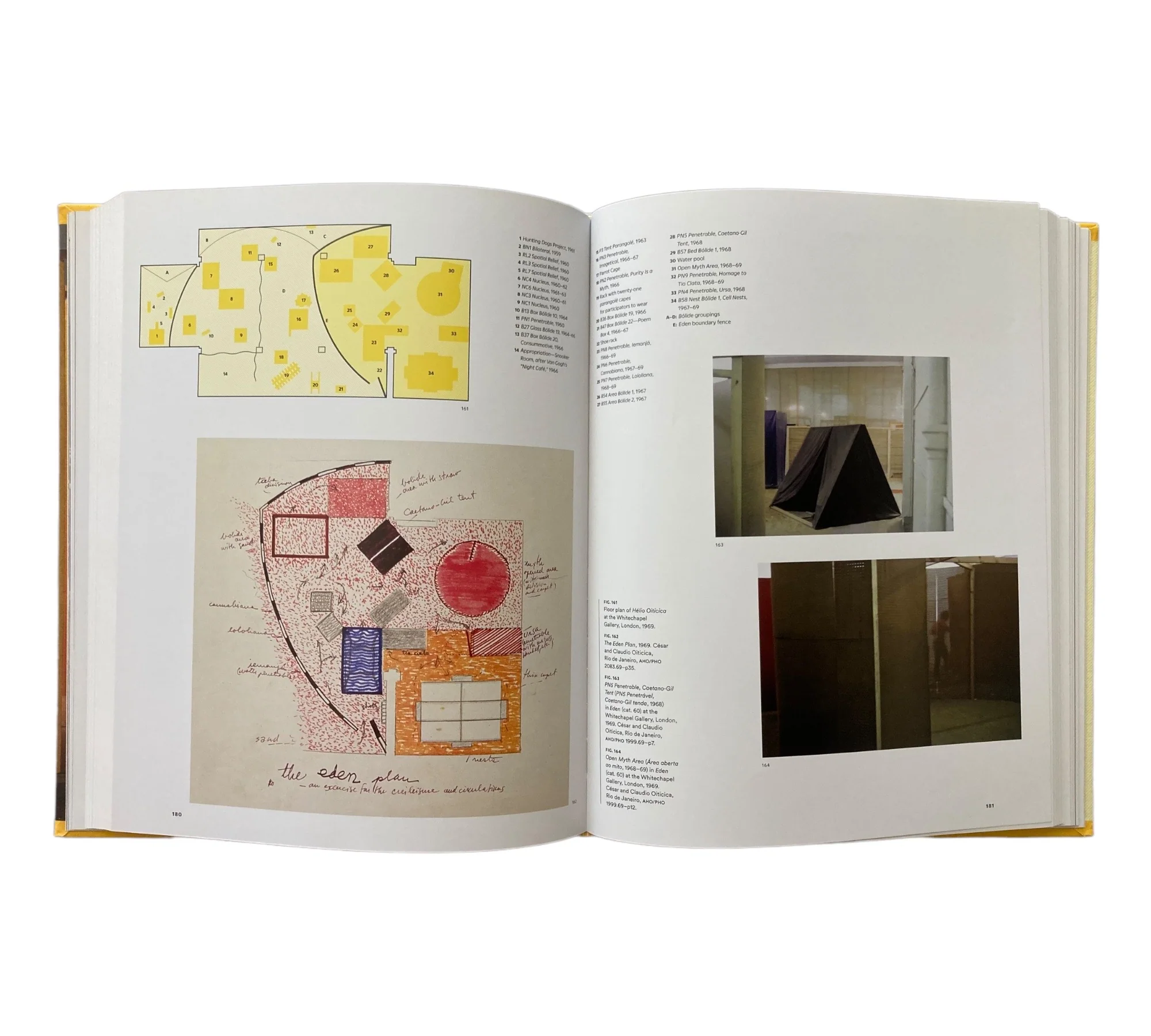
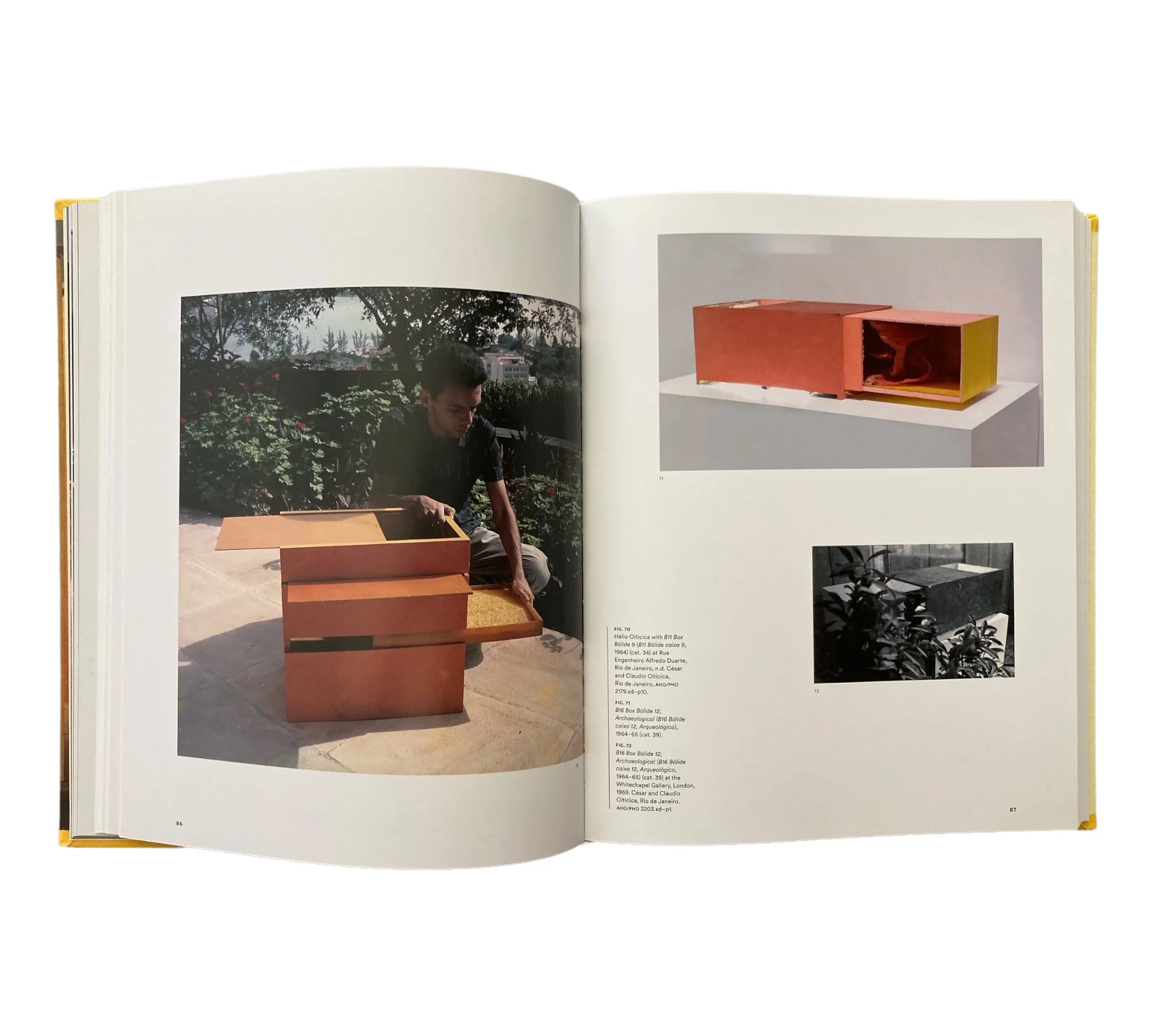
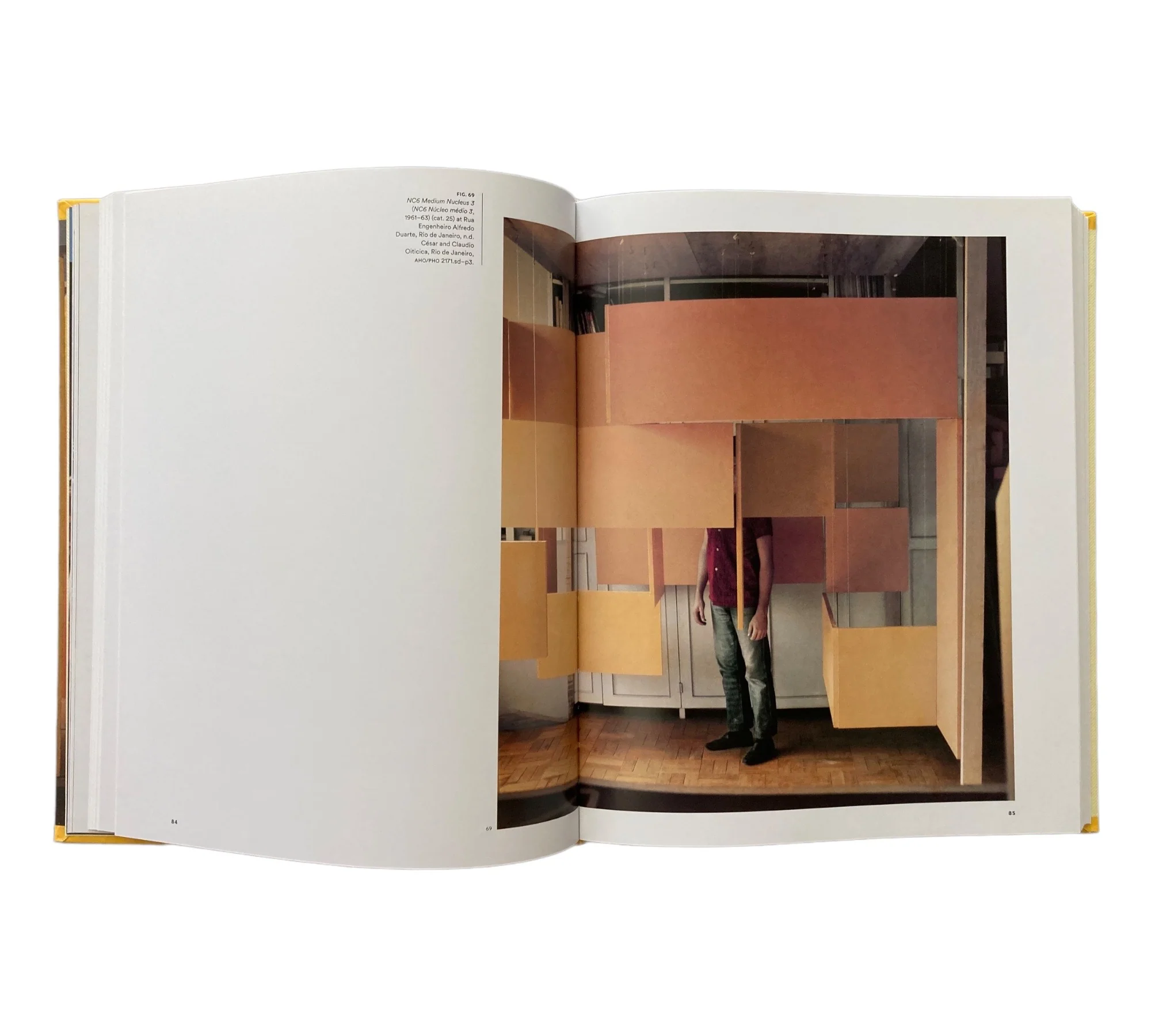
This heavily illustrated volume captures the excitement and complexity of Oiticica's paintings, sculptures, and installations. Insightful essays by US and Latin American writers cover the entirety of his career, with special emphasis on his little-known New York period between 1971 and 1978.
Thoroughly exploring Oiticica's most acclaimed works, such as the Parangoles and his groundbreaking installation Tropicalia, this book also examines his involvement with music, literature, and his response to politics and the social environment in Brazil. From his immersion in 1960s counterculture to his life and work in New York City and final return to Rio de Janeiro, this catalogue charts the development of an utterly original talent whose work is both wide-ranging and thoroughly engaging.
Original: $27.07
-65%$27.07
$9.47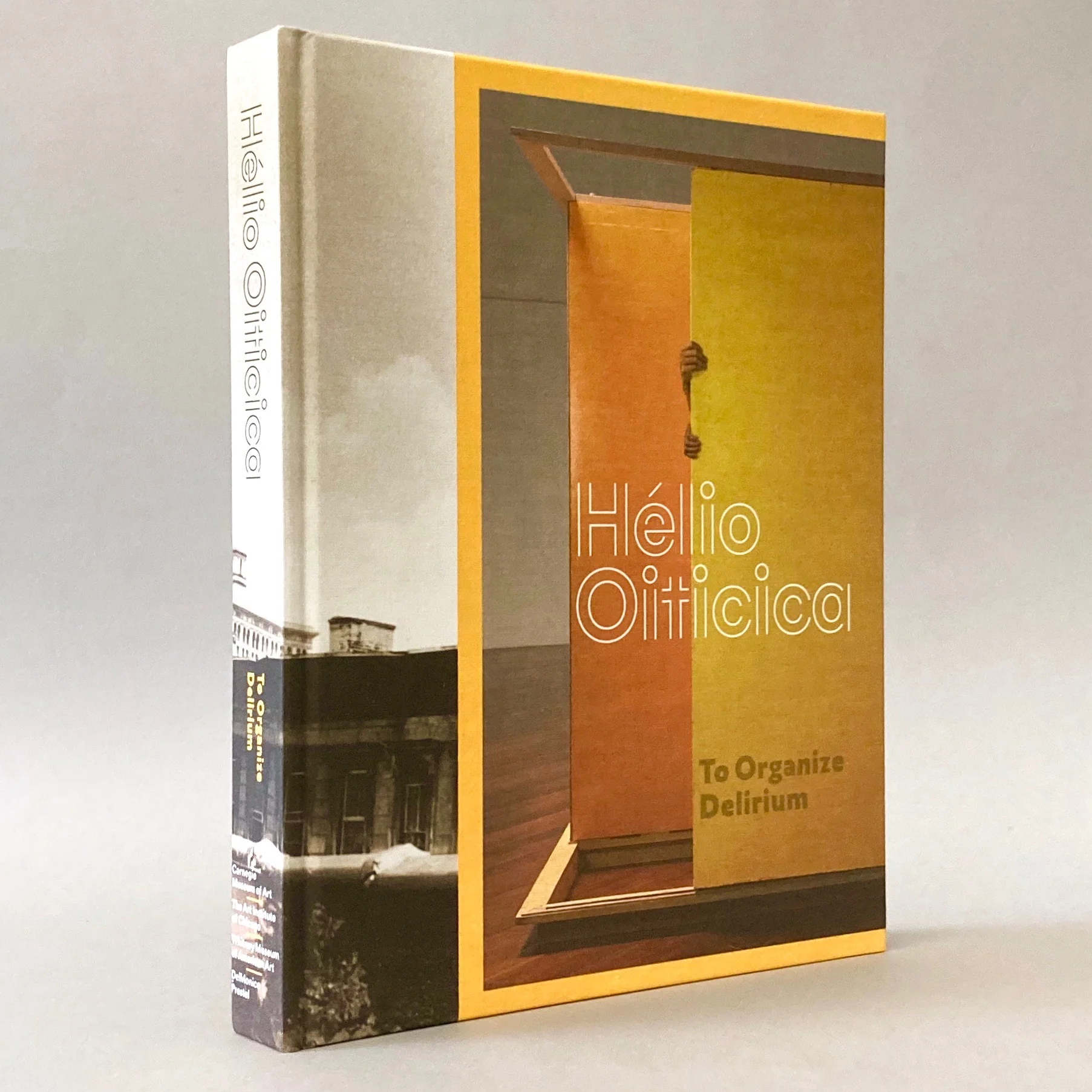



Description
Hardcover | 23.01 x 3.2 x 28.73 cm | 320 pp
Prestel | 2016 | 9783791355221
The most comprehensive study to date of Helio Oiticica, one of the world's foremost practitioners of neo-concretism, who is internationally recognised for his innovative and participatory work. In his ingeniously constructed works, Oiticica revolutionised the idea of interactive art.
This heavily illustrated volume captures the excitement and complexity of Oiticica's paintings, sculptures, and installations. Insightful essays by US and Latin American writers cover the entirety of his career, with special emphasis on his little-known New York period between 1971 and 1978.
Thoroughly exploring Oiticica's most acclaimed works, such as the Parangoles and his groundbreaking installation Tropicalia, this book also examines his involvement with music, literature, and his response to politics and the social environment in Brazil. From his immersion in 1960s counterculture to his life and work in New York City and final return to Rio de Janeiro, this catalogue charts the development of an utterly original talent whose work is both wide-ranging and thoroughly engaging.