Luca Pignatelli: Senza data
Softcover | 20.5 x 1.14 x 28 cm | 112 pp
Forma Edizioni | 2020 | 9788855210324
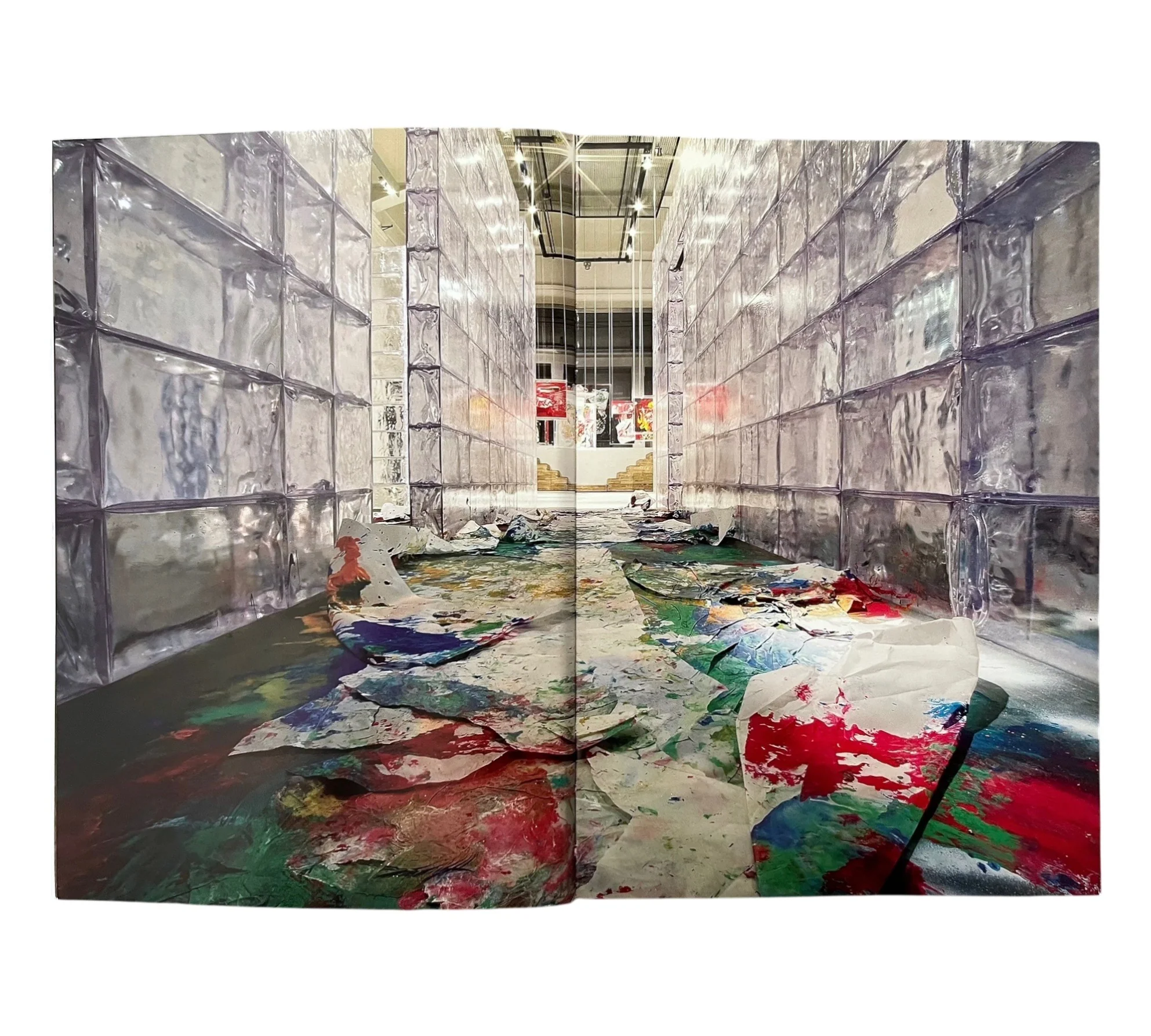
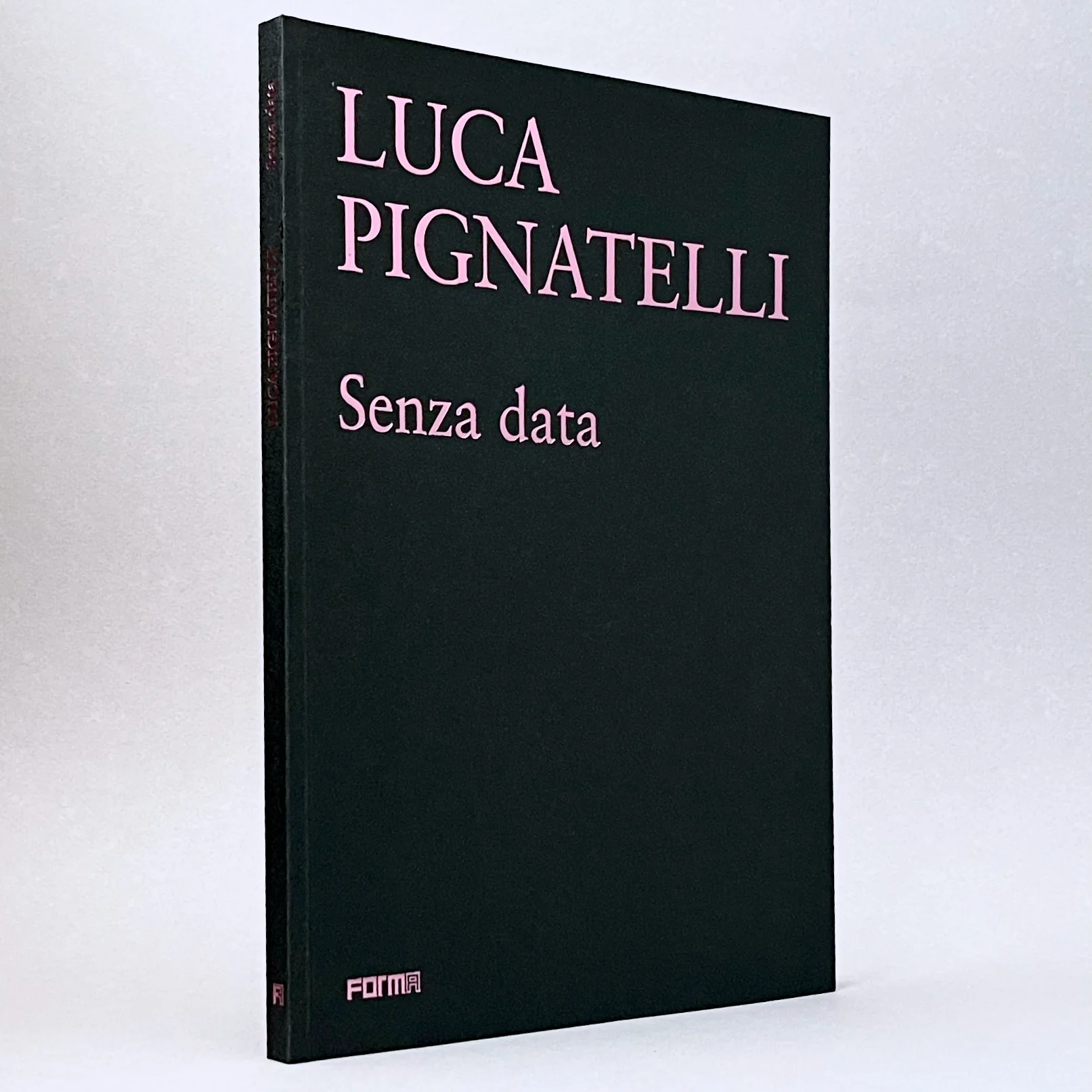
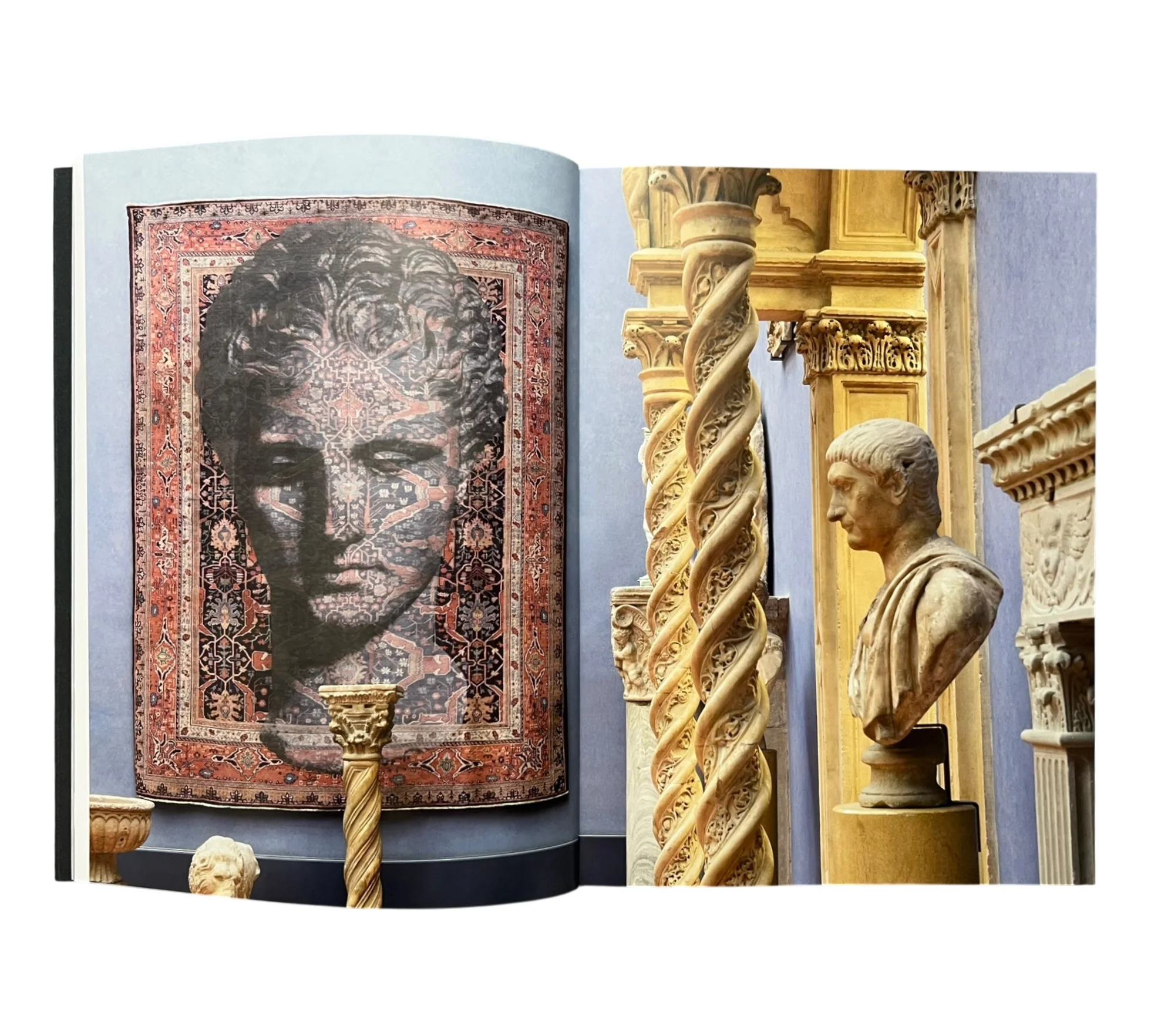
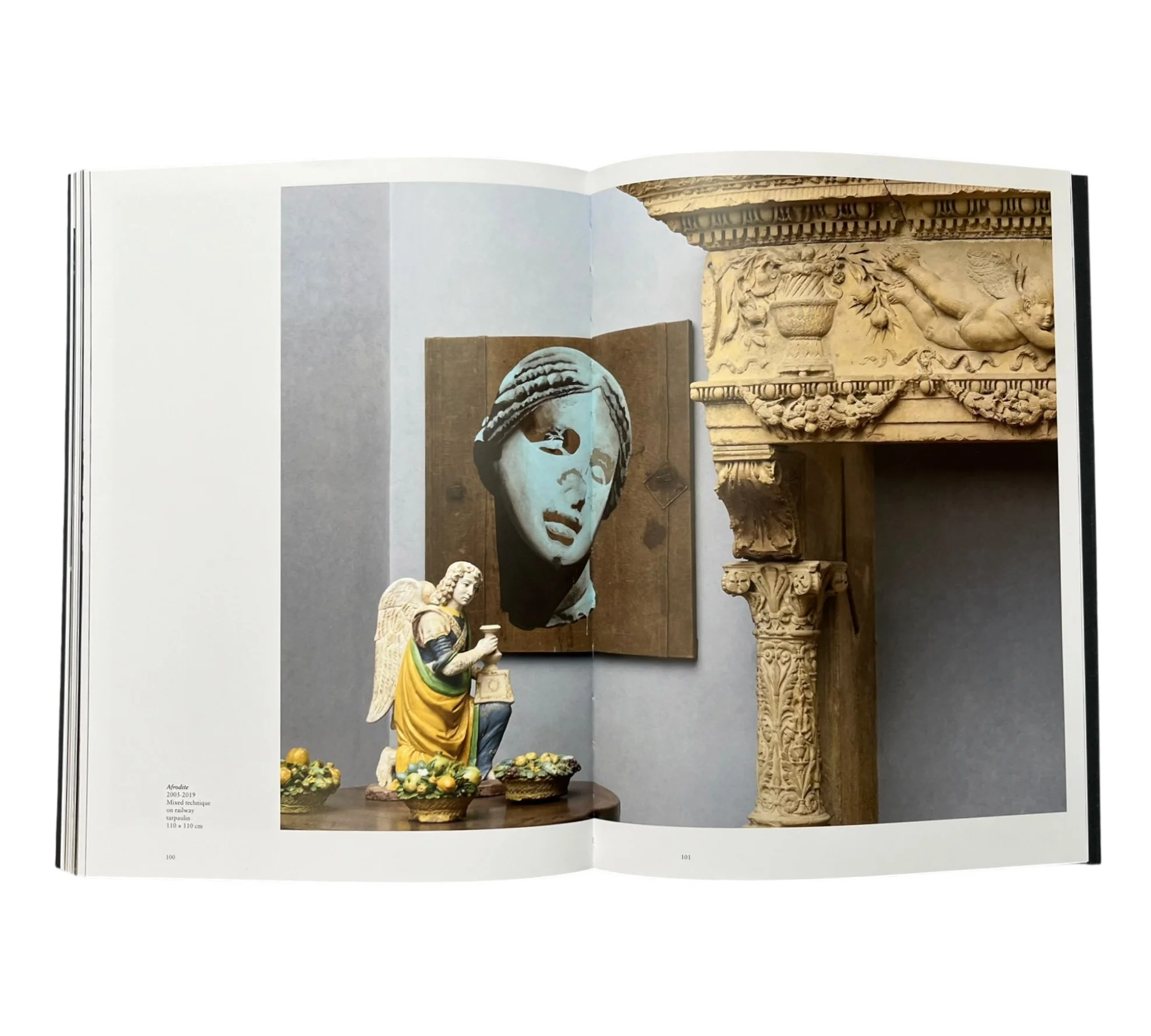
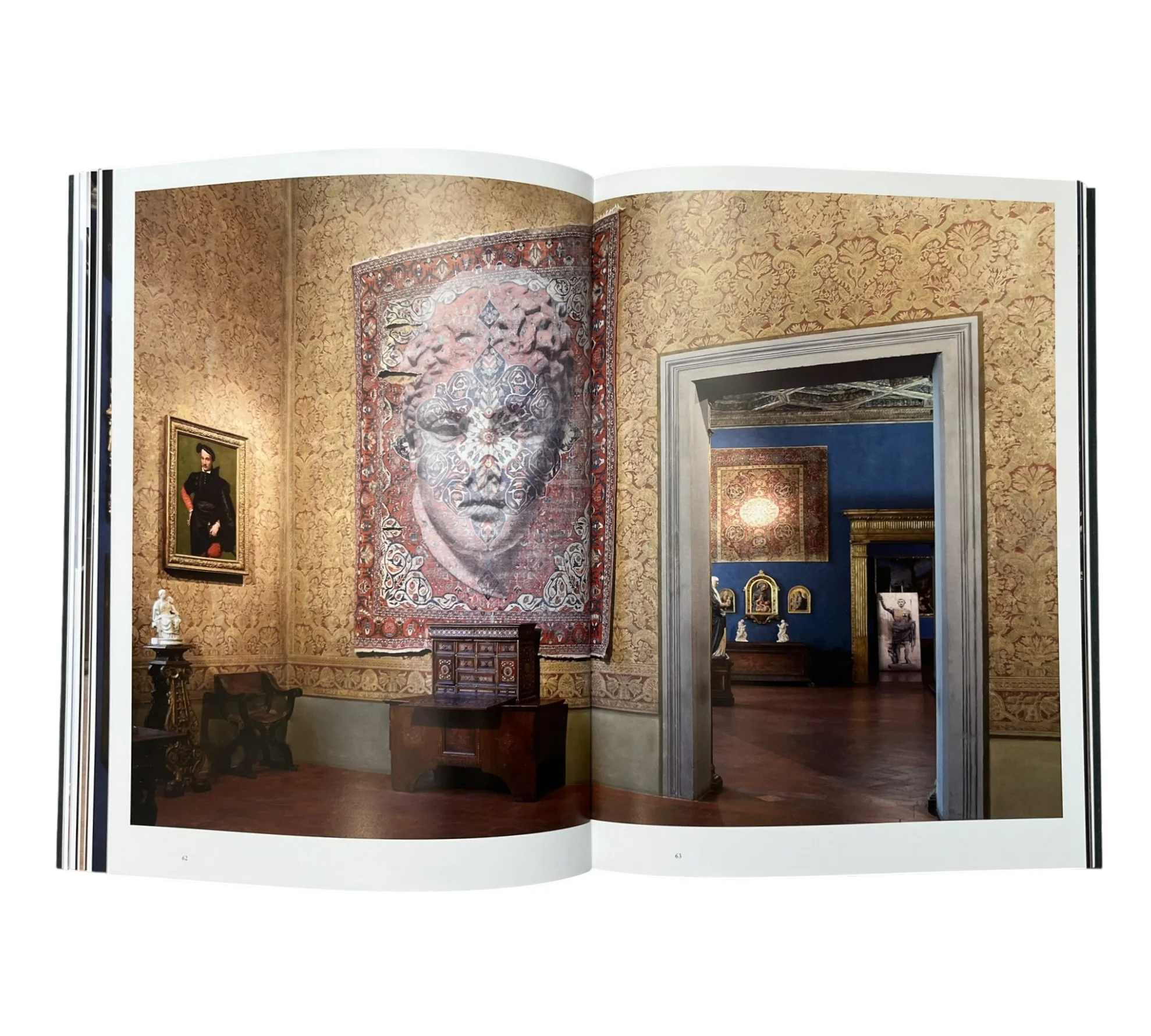
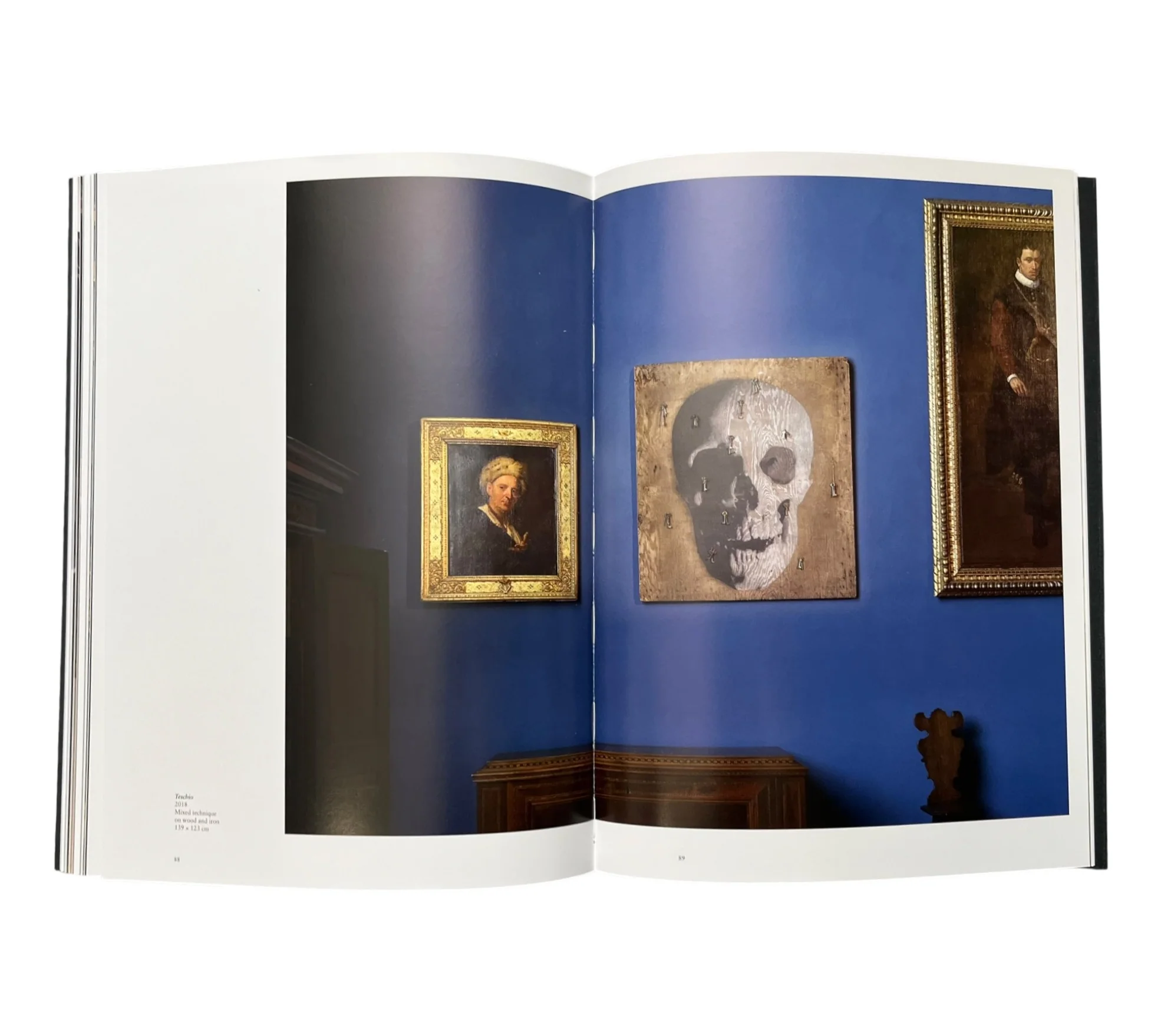
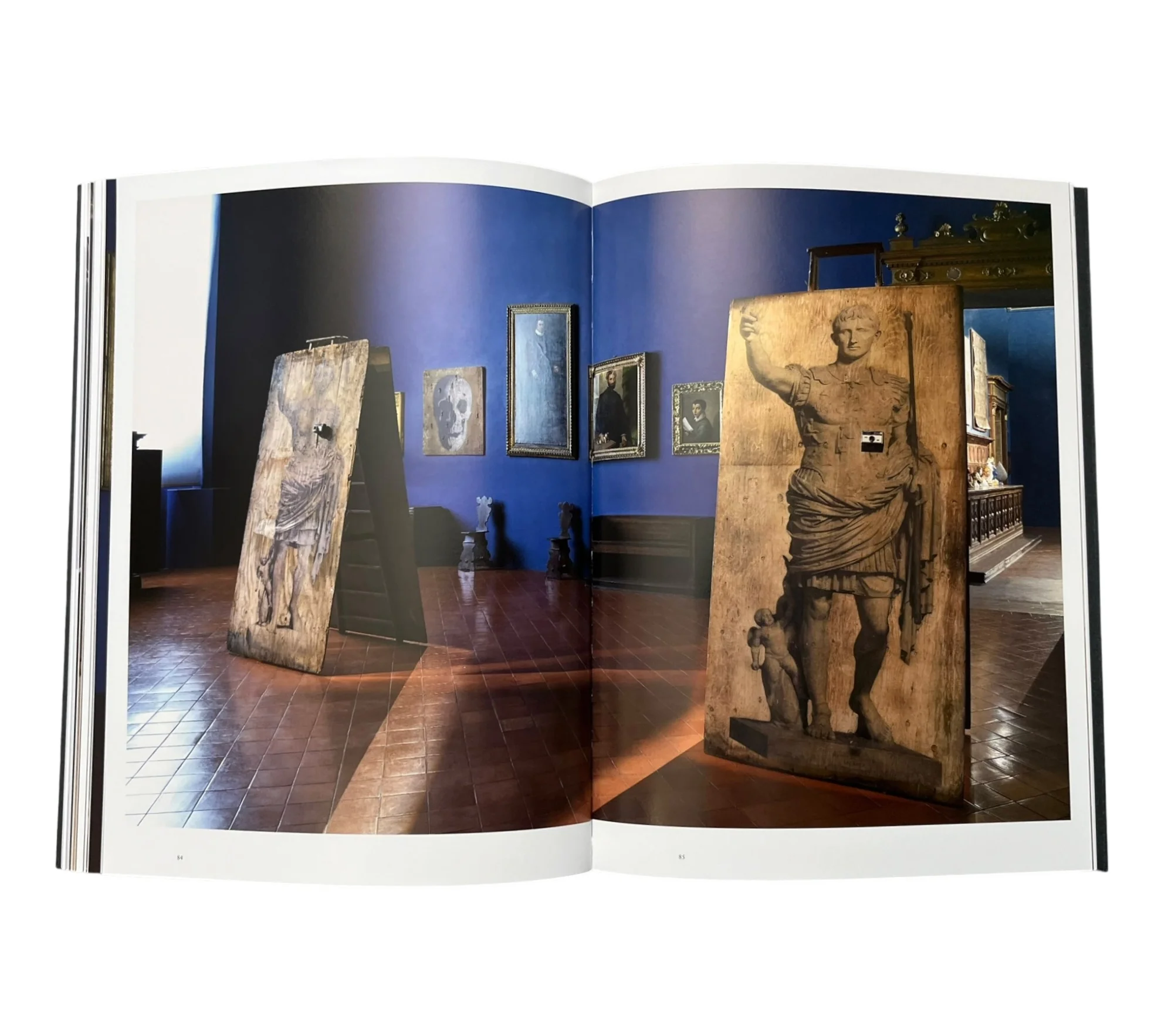
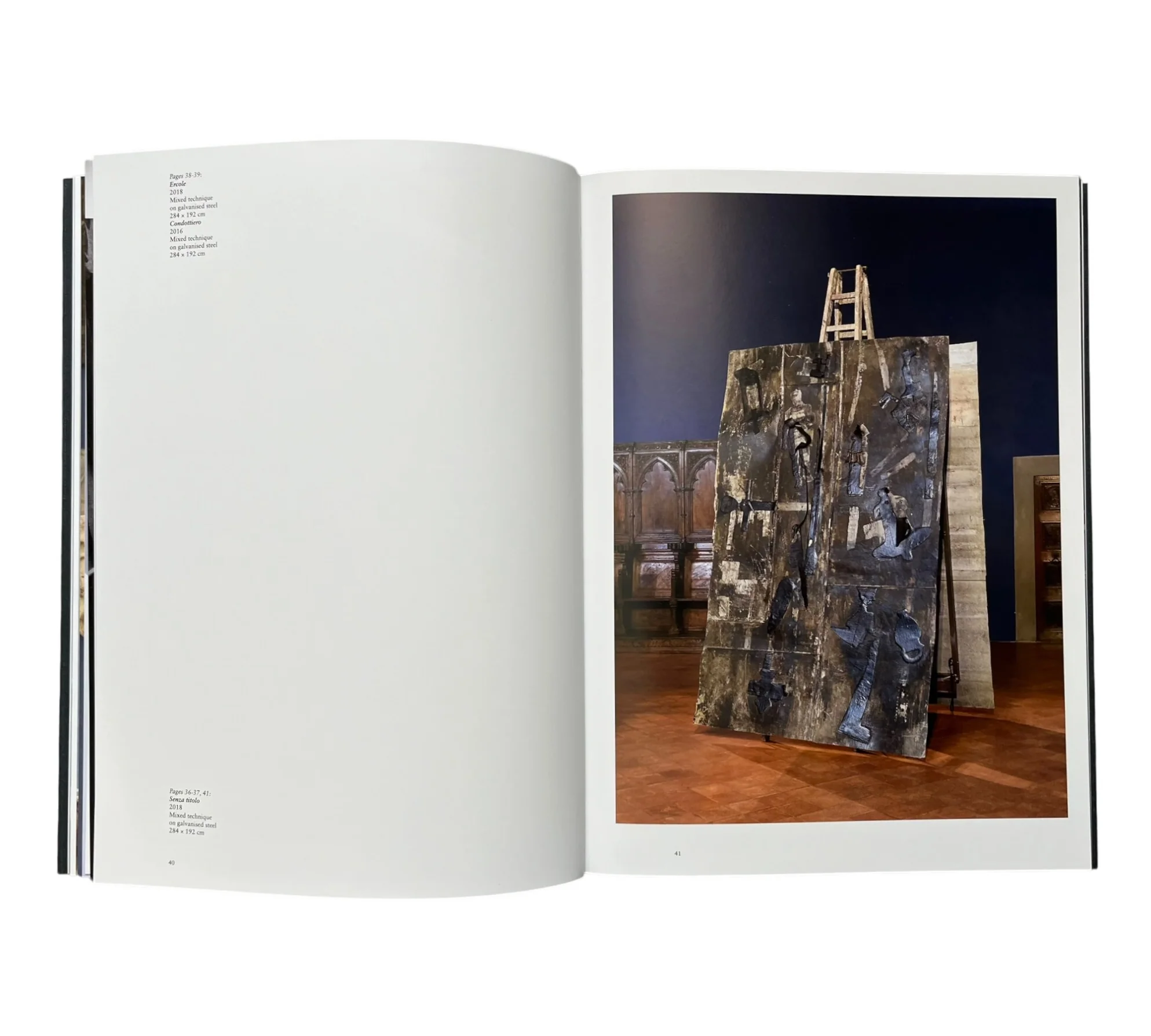
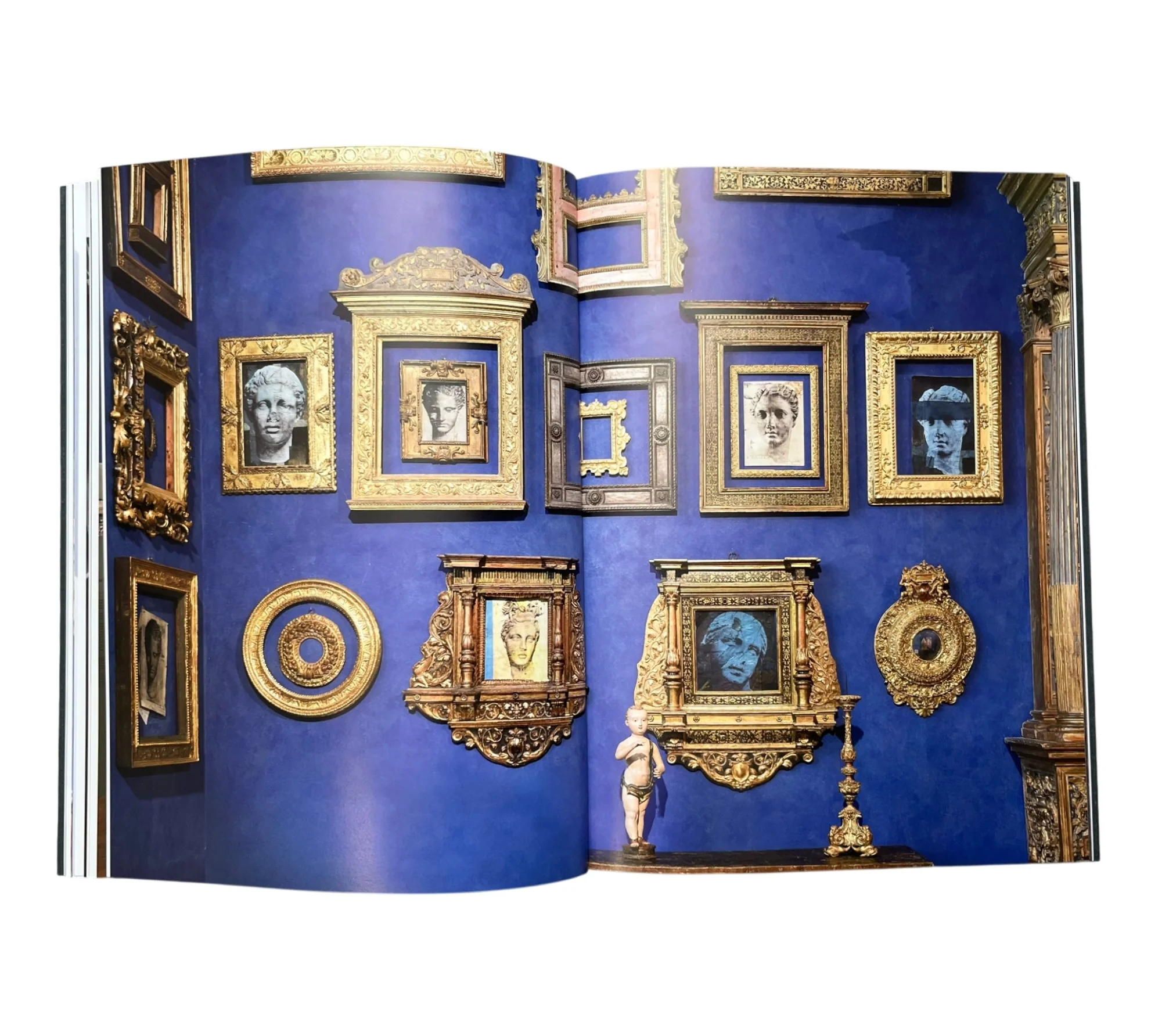
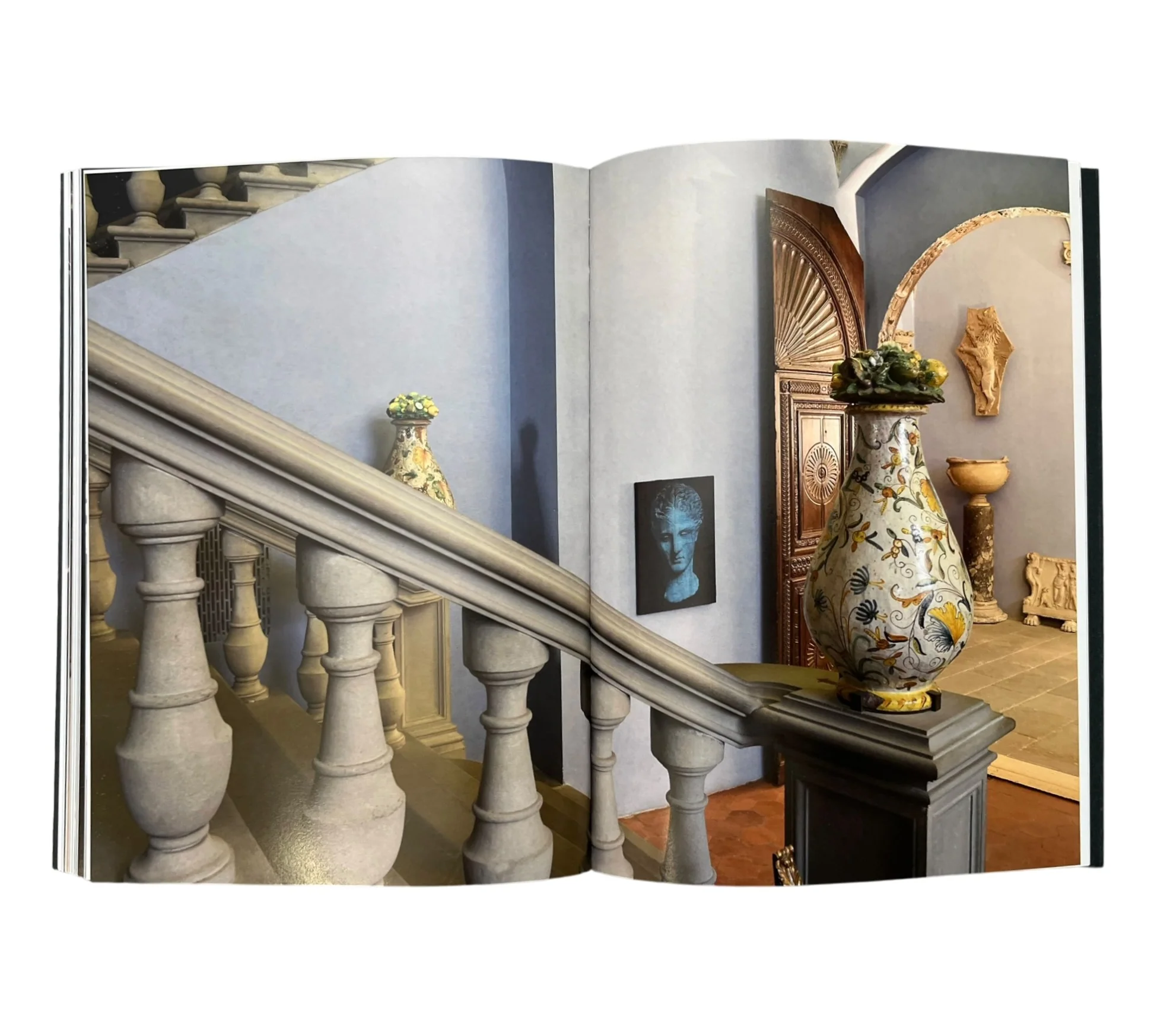
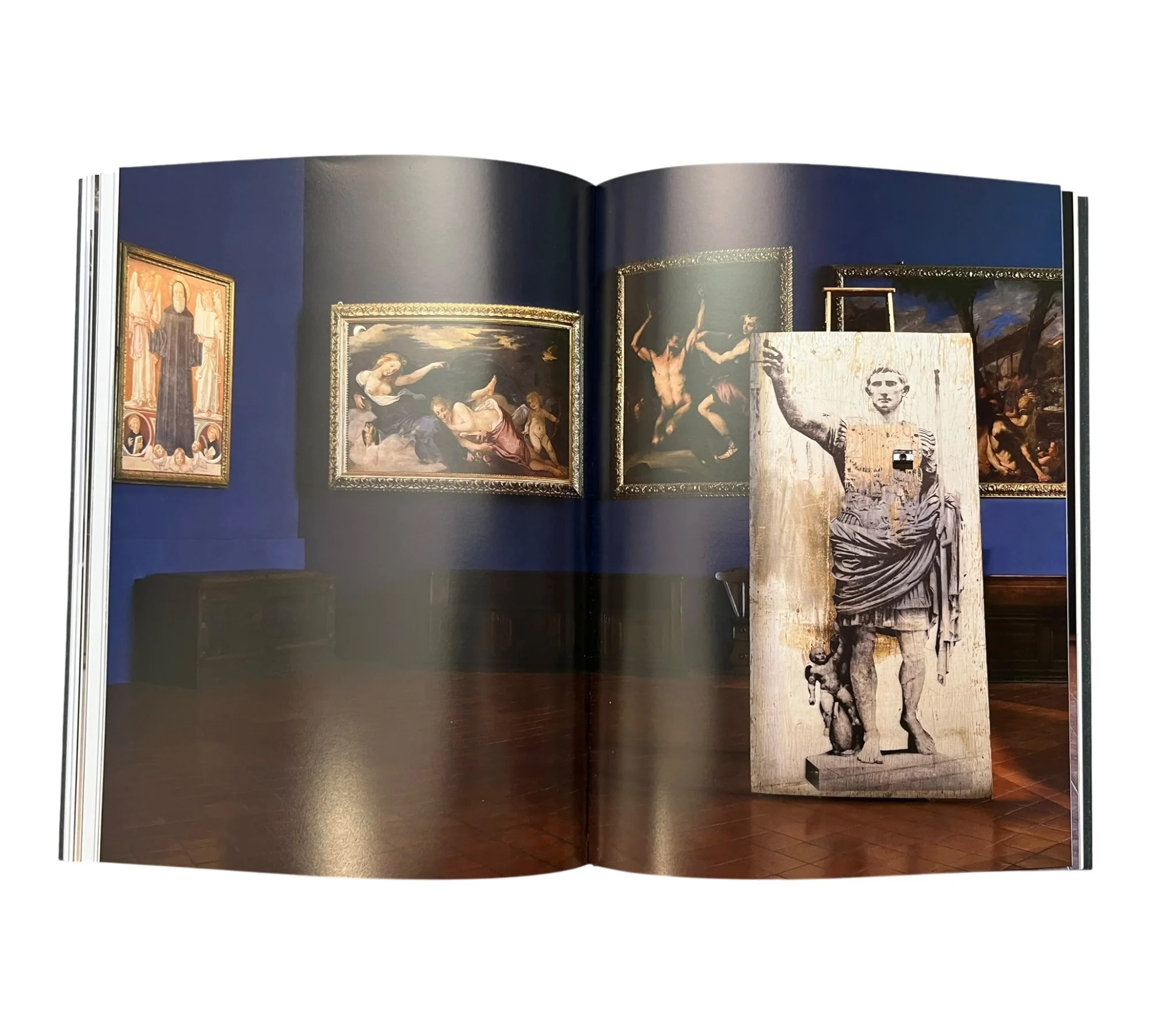
Luca Pignatelli's (b.1962) works evoke a sense of timelessness and reflect on memory, antiquity, and history Senza data (Undated) presented a series of works painted on railway tarpaulins, wood, paper, sheet metal, and Persian carpets from the early 20th century. The painted carpets stand out immediately for their size and their link with the vast collection of carpets in the museum.
Pignatelli studied architectural composition during the period influenced by the theories of Aldo Rossi and the idea of the sedimentary growth of history. He is an artist able to accept the challenge of large-scale paintings, working with unusual supports on which he overlays his own selection of images, icons of collective memory like trains, planes, machines, and relics of classical culture.
This catalogue, published to accompany the exhibition at the Stefano Bardini Museum in Florence (2019), includes an interview with the artist and an essay by director of the Museo Novecento in Florence
Description
Softcover | 20.5 x 1.14 x 28 cm | 112 pp
Forma Edizioni | 2020 | 9788855210324
Luca Pignatelli's (b.1962) works evoke a sense of timelessness and reflect on memory, antiquity, and history Senza data (Undated) presented a series of works painted on railway tarpaulins, wood, paper, sheet metal, and Persian carpets from the early 20th century. The painted carpets stand out immediately for their size and their link with the vast collection of carpets in the museum.
Pignatelli studied architectural composition during the period influenced by the theories of Aldo Rossi and the idea of the sedimentary growth of history. He is an artist able to accept the challenge of large-scale paintings, working with unusual supports on which he overlays his own selection of images, icons of collective memory like trains, planes, machines, and relics of classical culture.
This catalogue, published to accompany the exhibition at the Stefano Bardini Museum in Florence (2019), includes an interview with the artist and an essay by director of the Museo Novecento in Florence