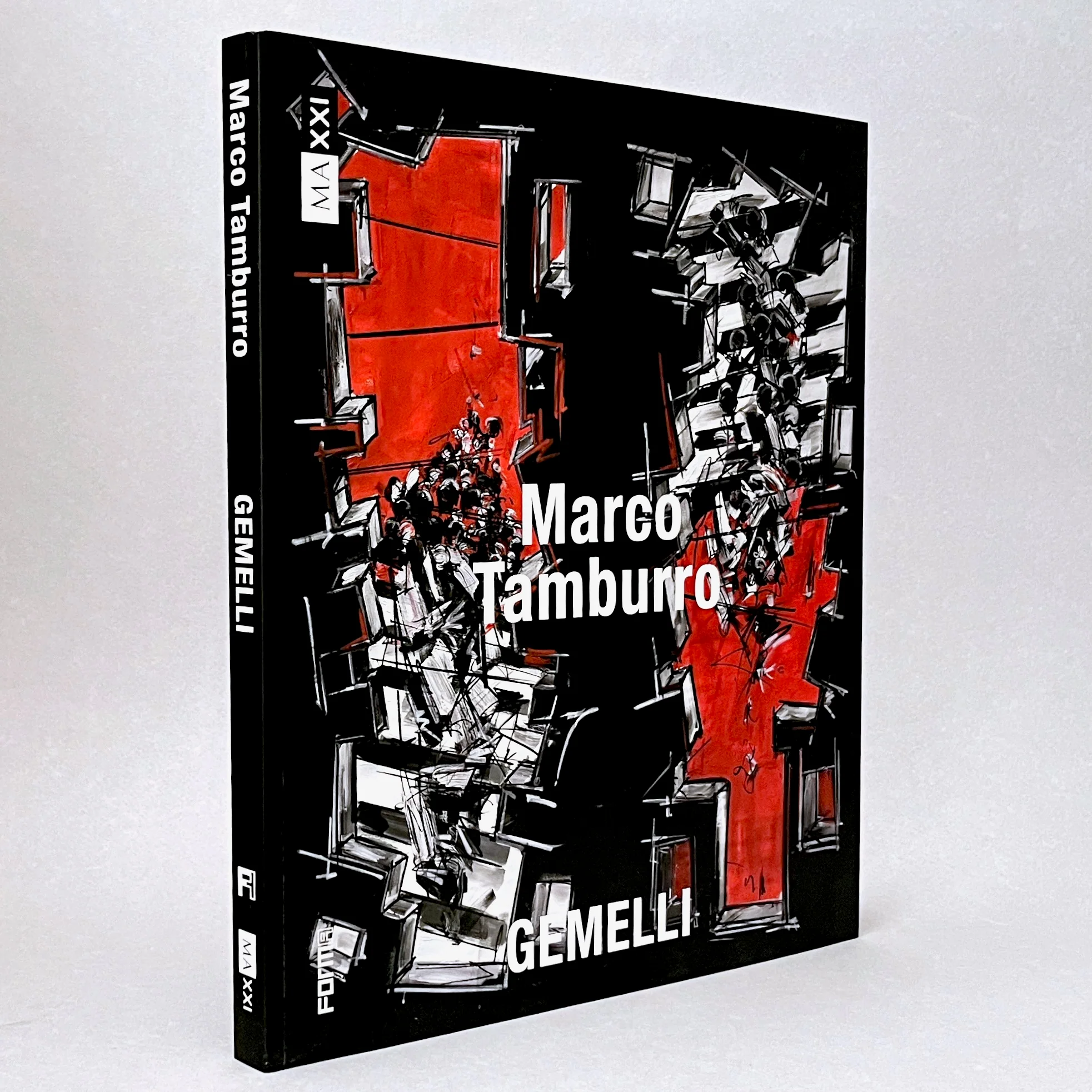
Marco Tamburro: Gemelli
Luca Beatrice
Hardcover | 24 x 2.16 x 28 cm | 160 pp
Forma Edizioni | 2024 | 9788855211666
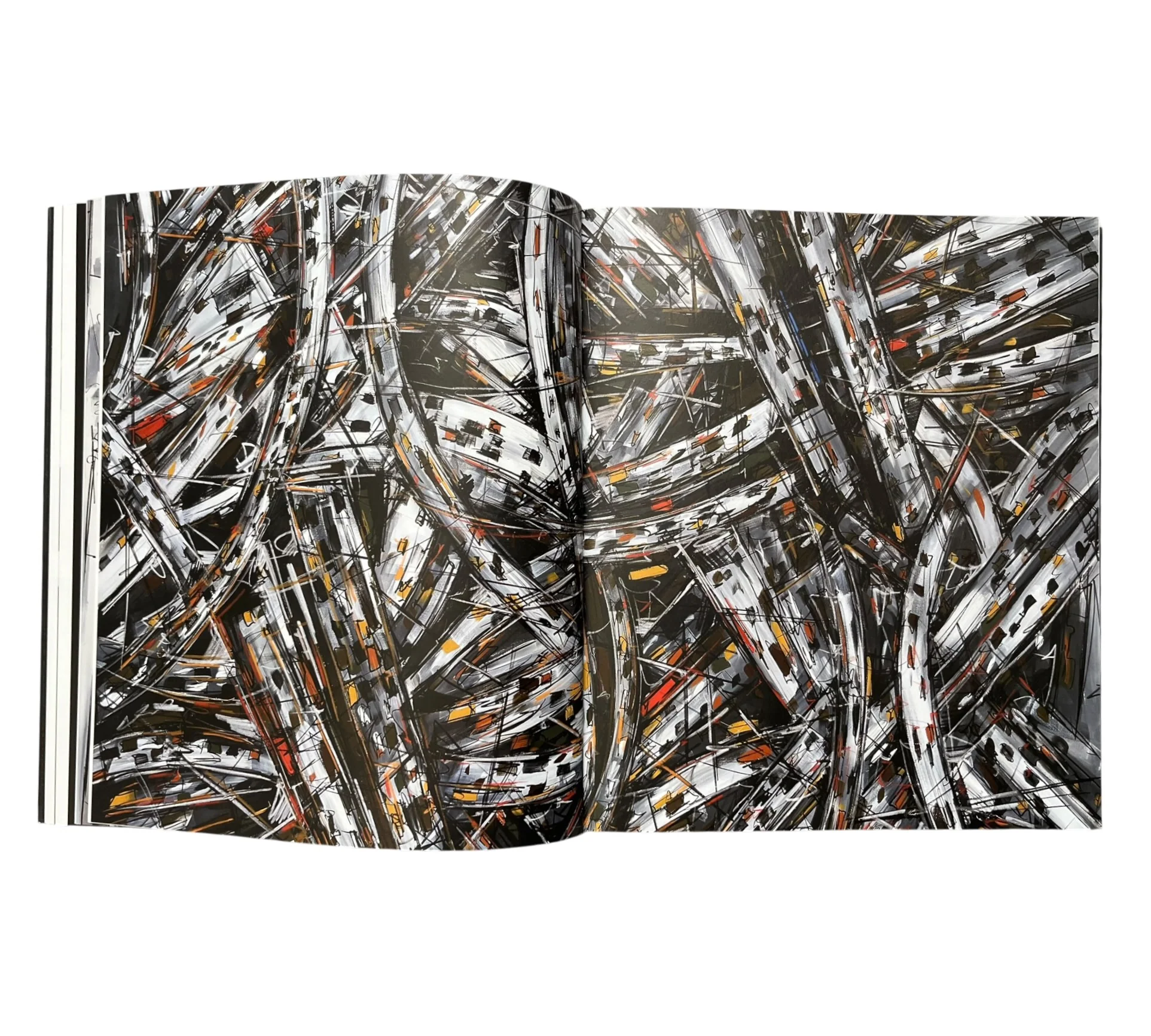
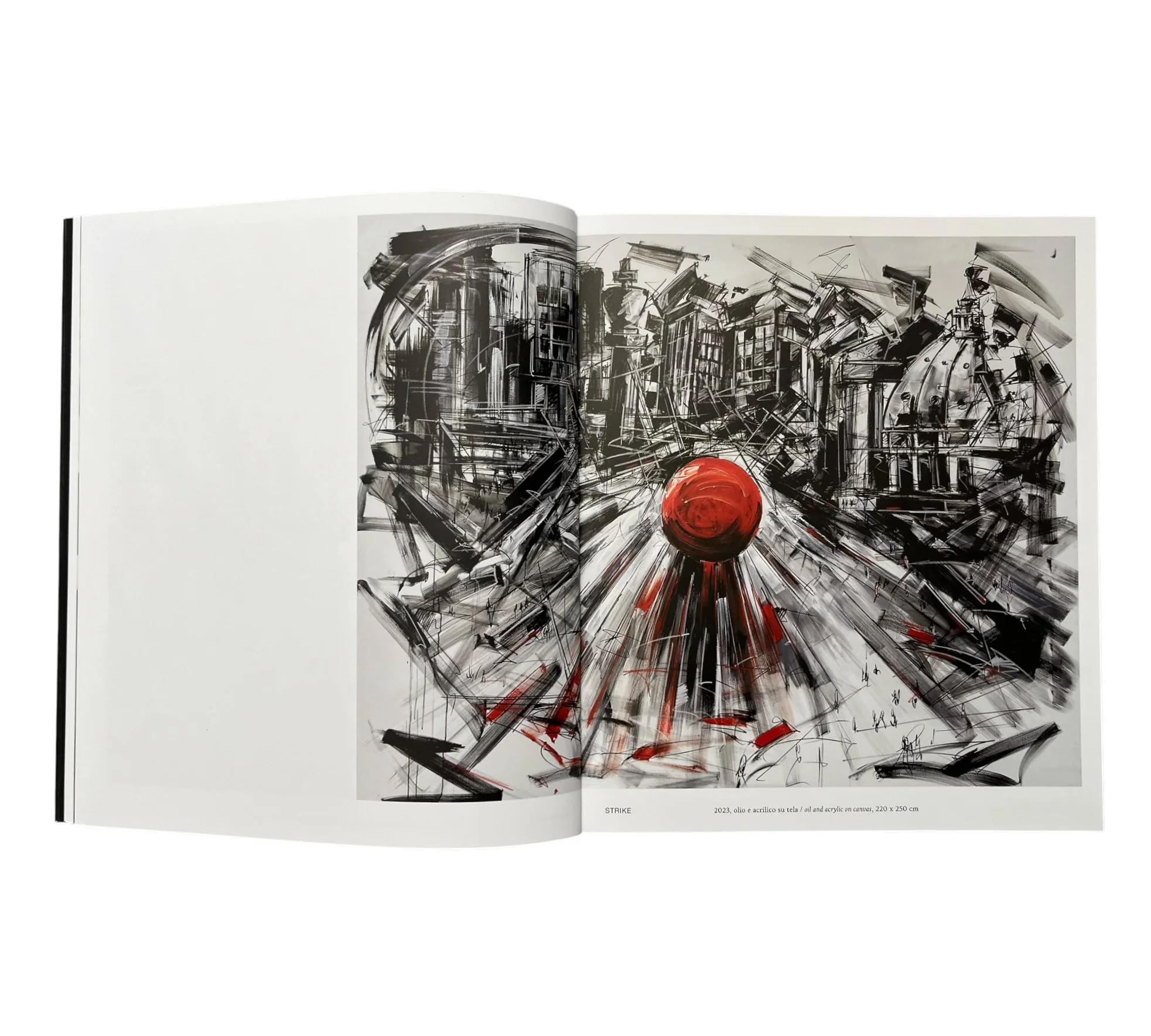
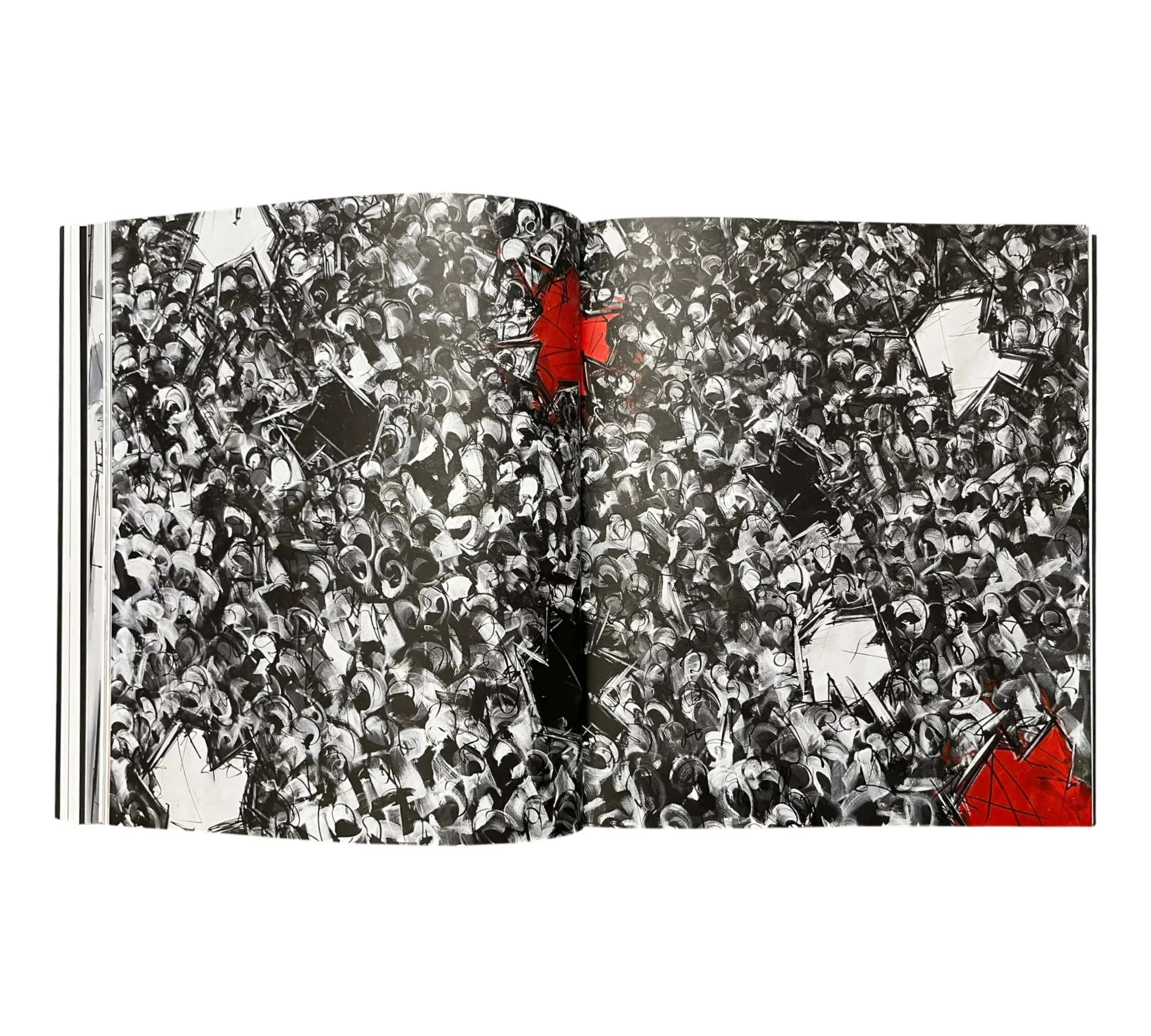
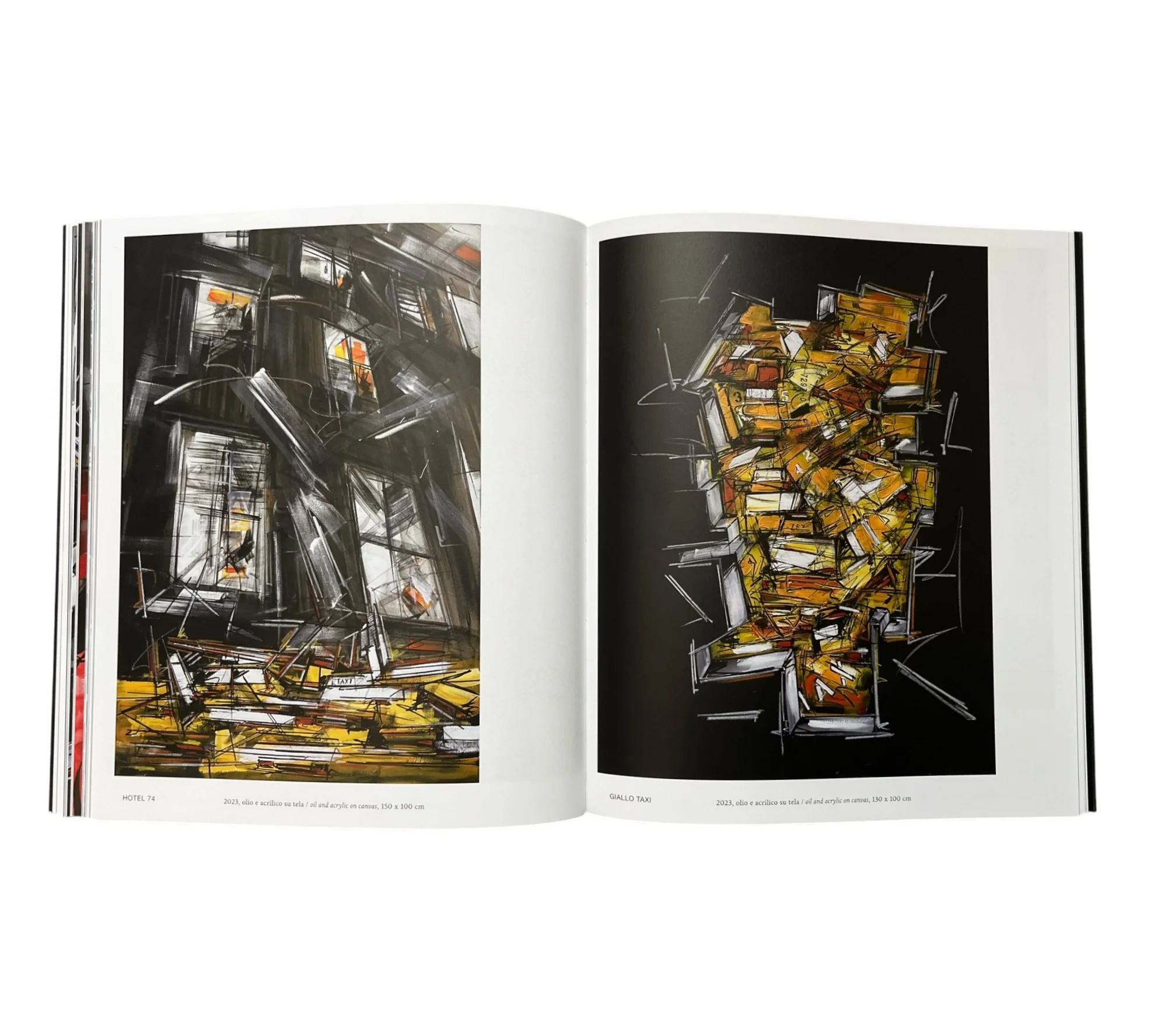
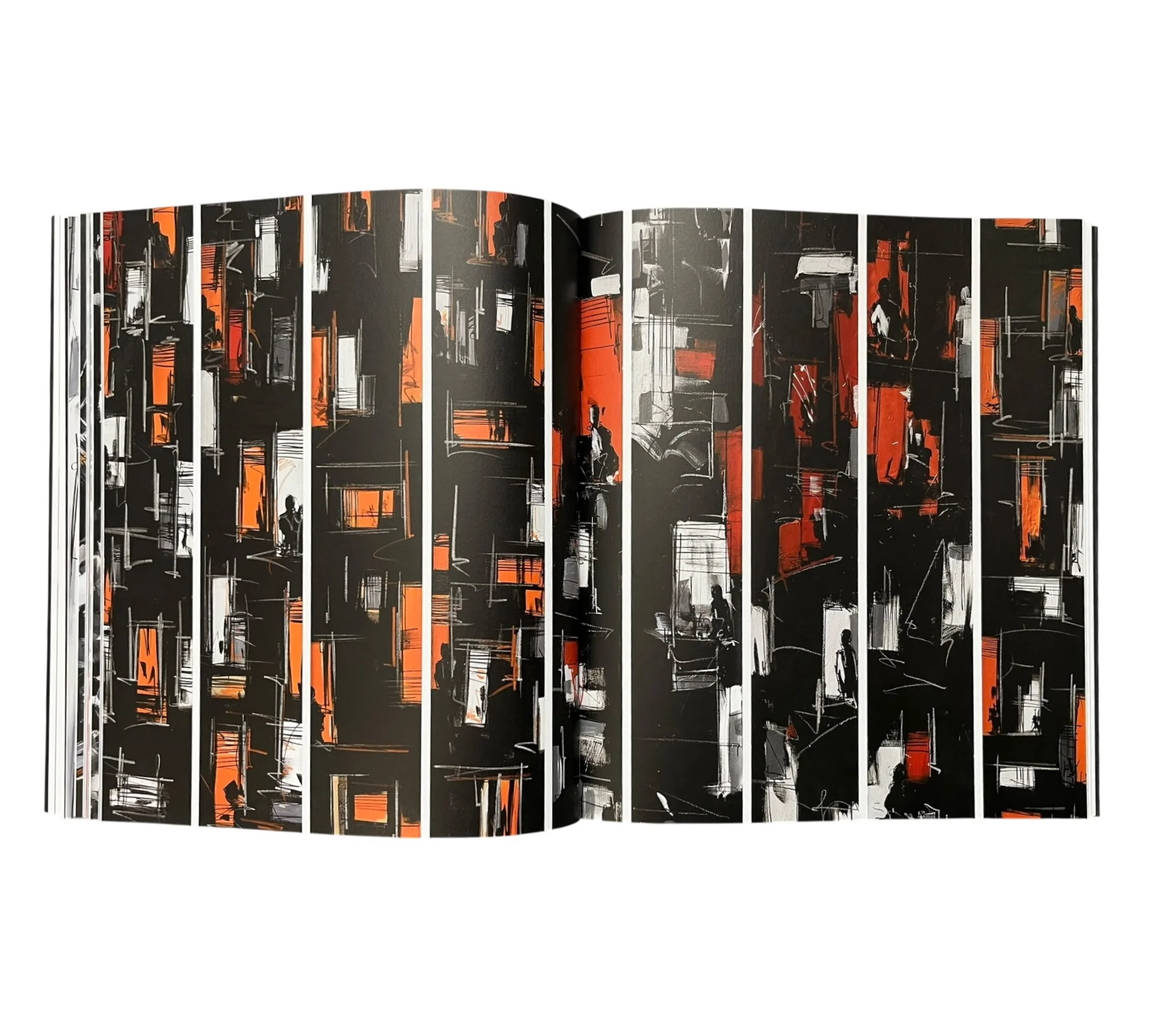
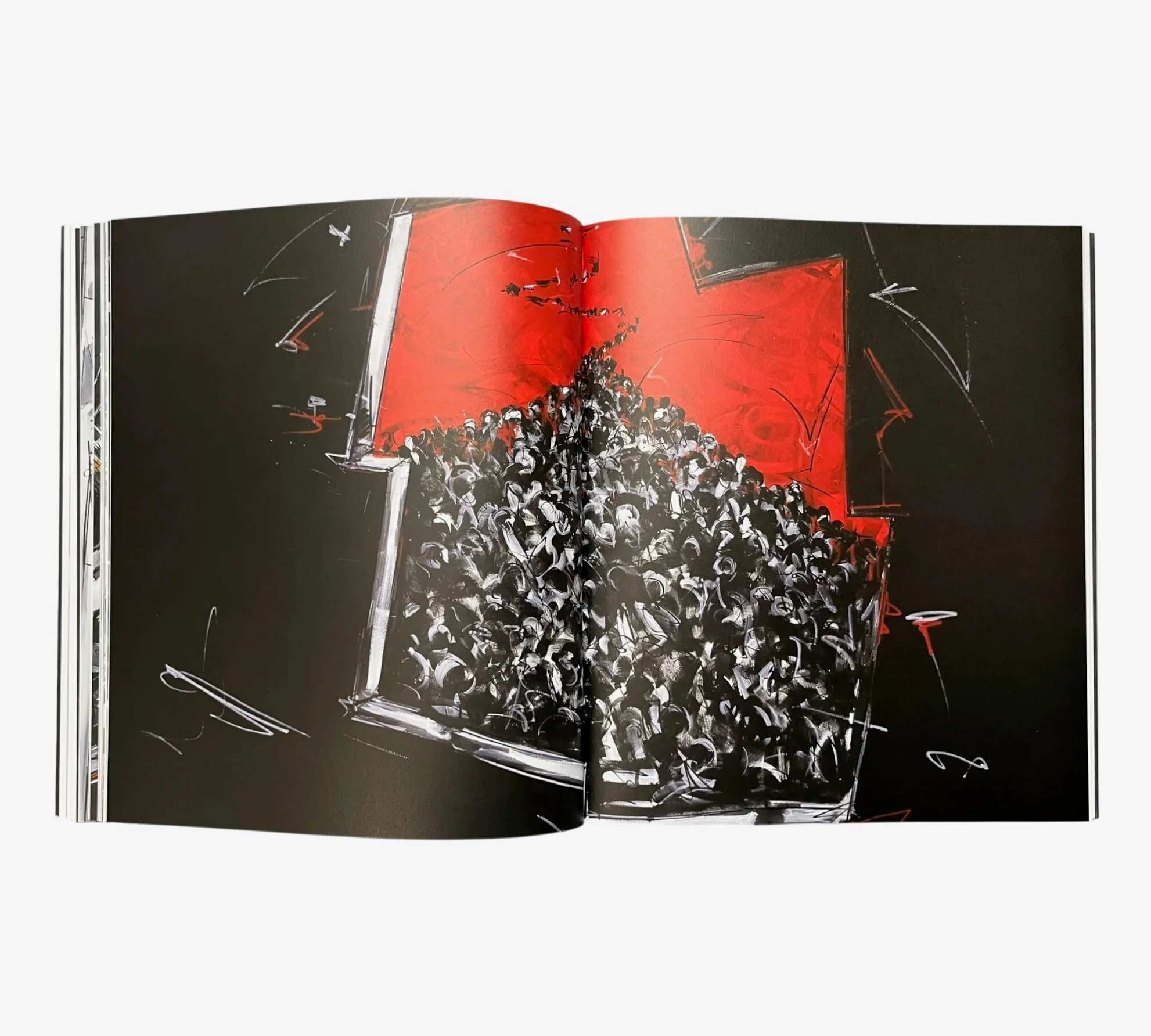
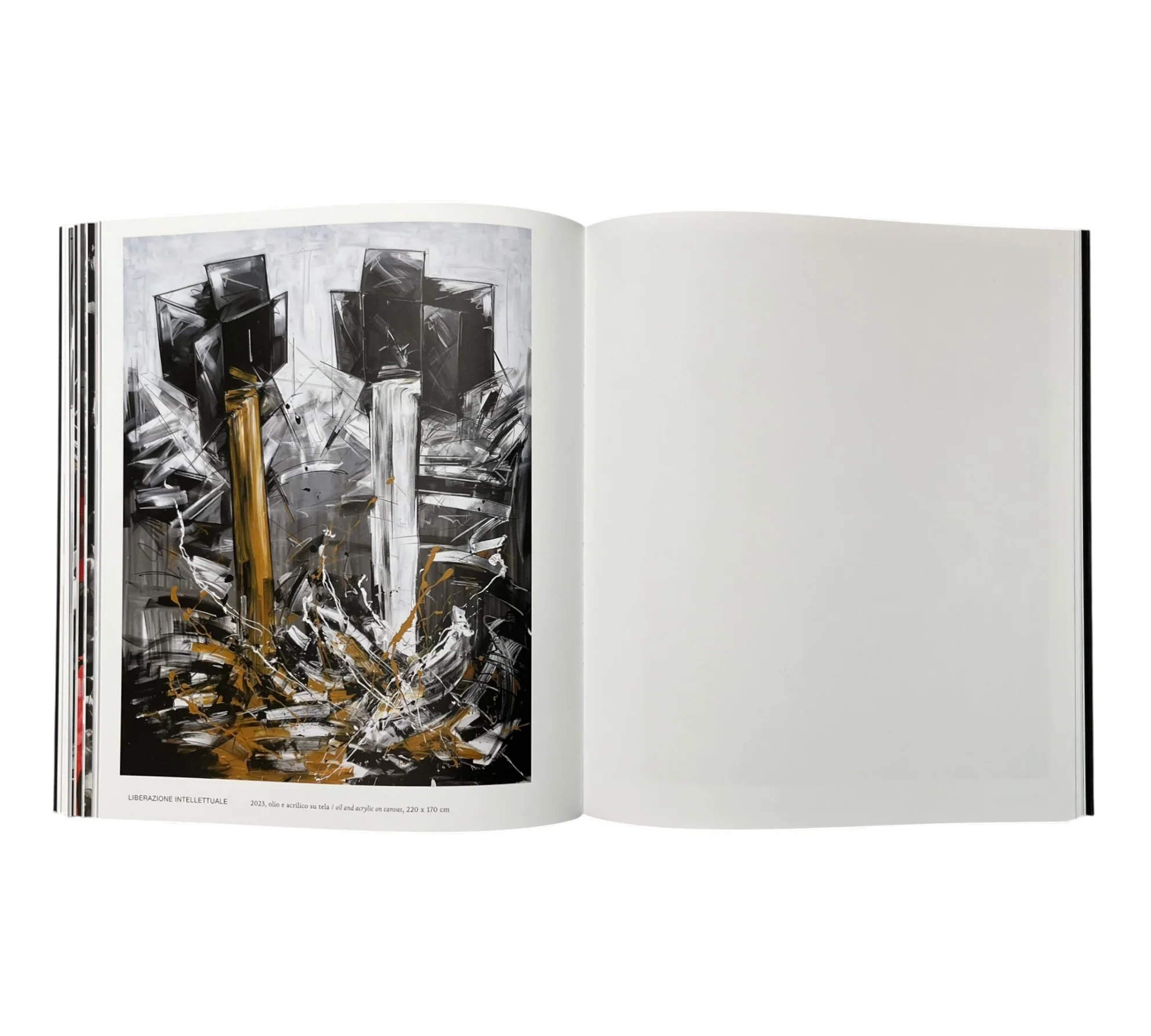
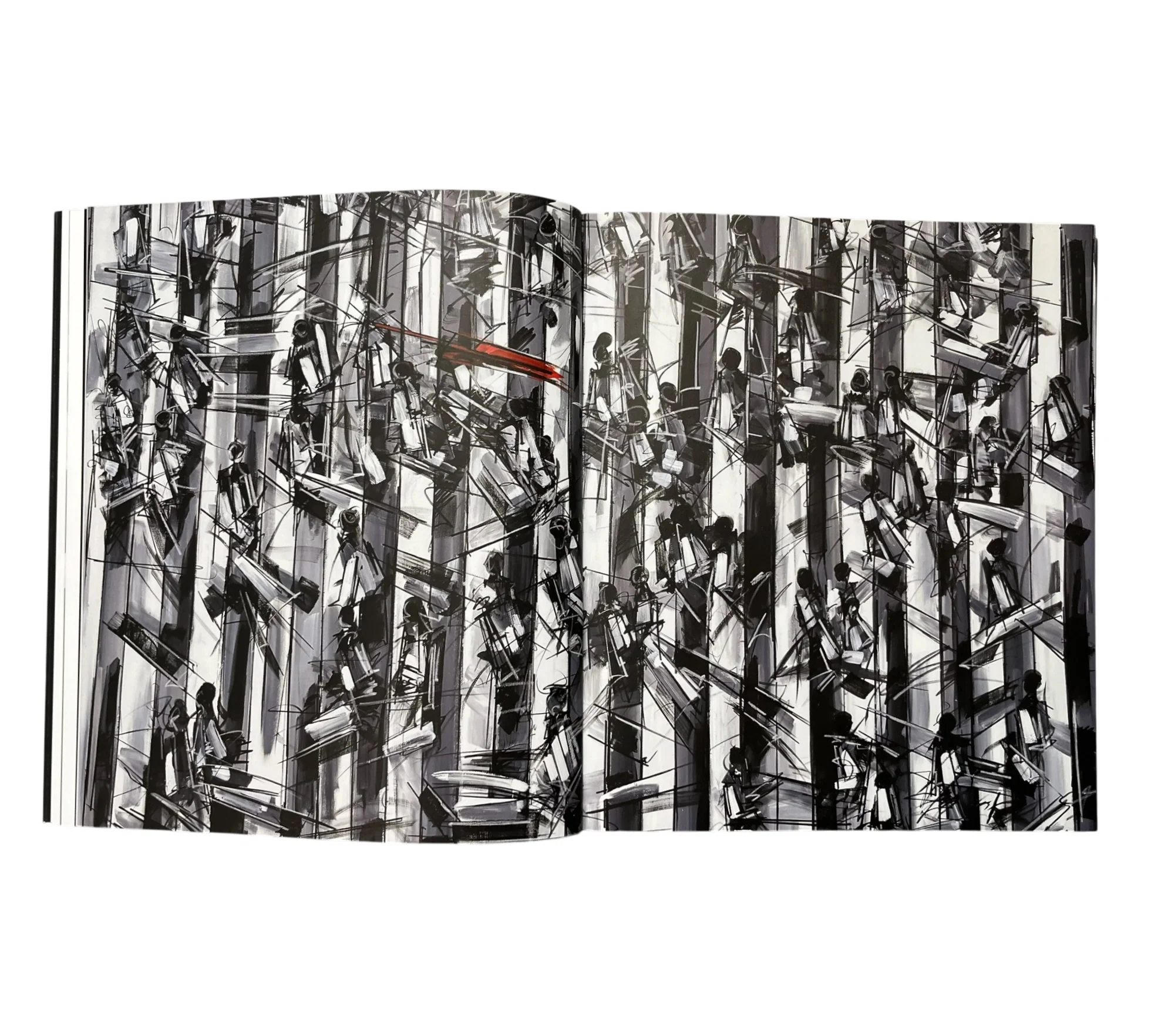
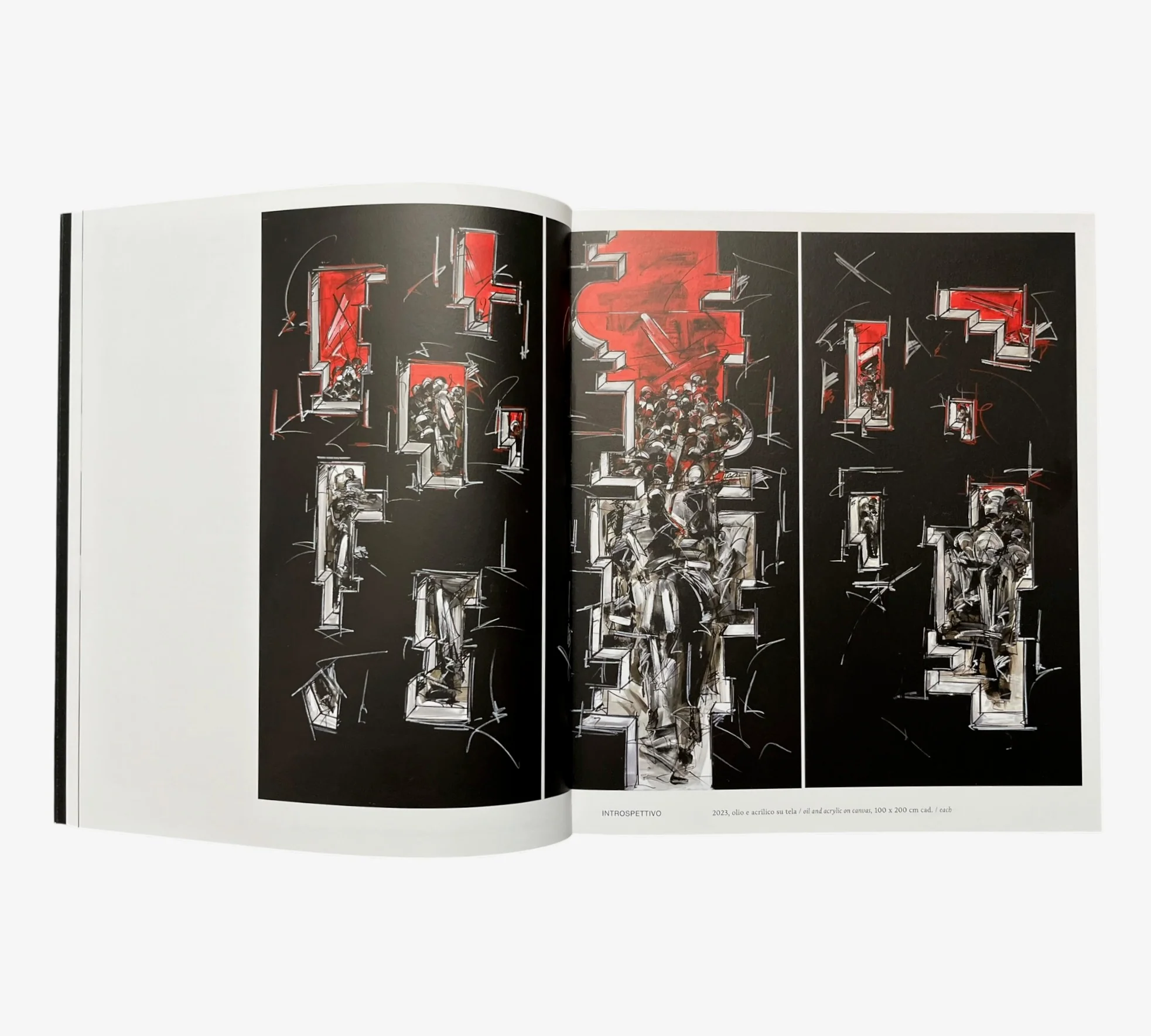
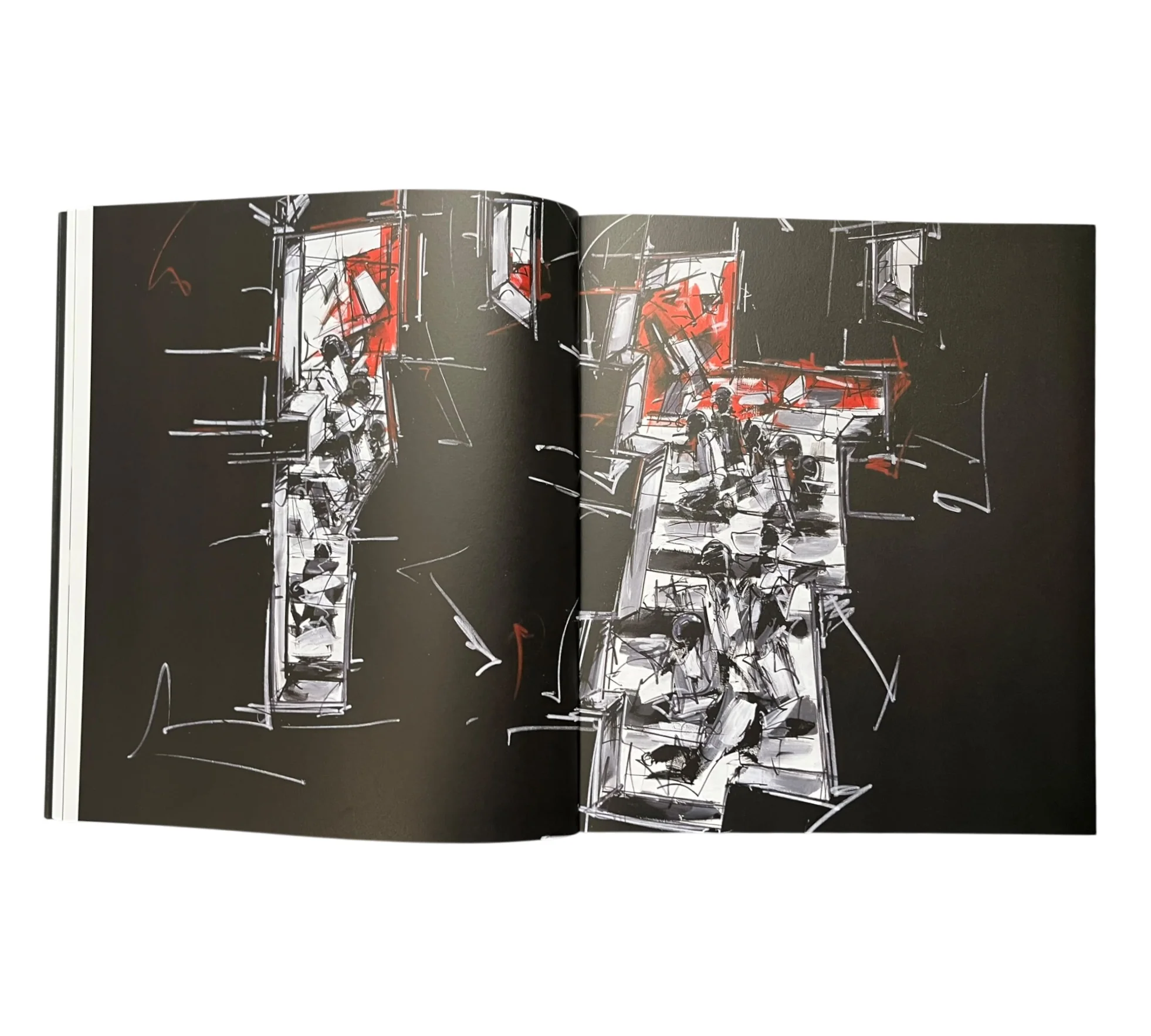
This volume provides a complete portrait of the work of Marco Tamburro (b.1974) - from the references to classical cinema, to the theatre and to contemporary photography, to his personal history and paintings, which combine aspects of his own life with imaginary events. His main source of inspiration is the city of Rome, consumed and criss-crossed by an infinity of trajectories, overlaid by buildings and skyscrapers.
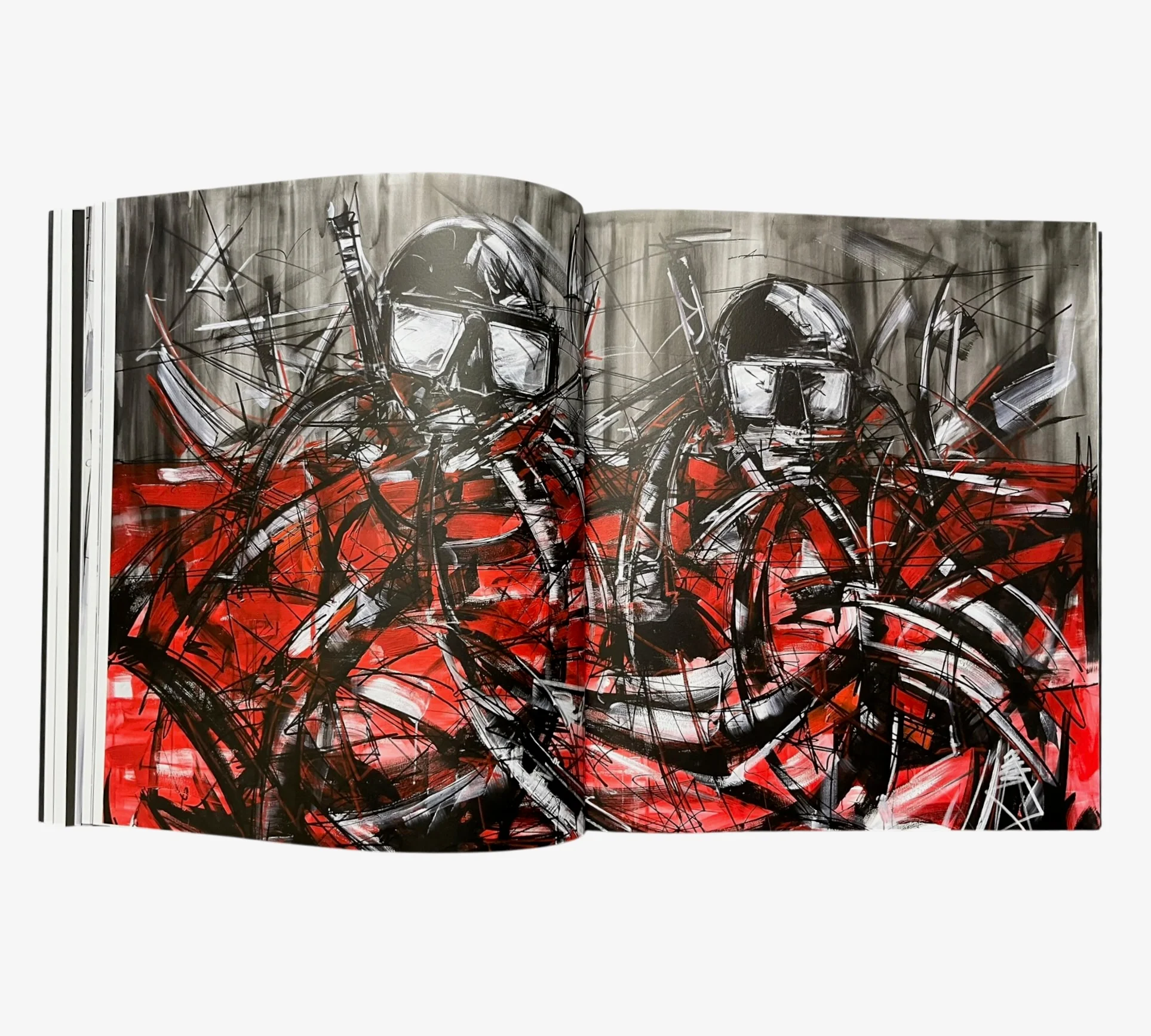
Published on the occasion of Tamburro's monographic exhibition at the MAXXI in Rome, this catalogue is illustrated with earlier paintings and never-before-seen large works created especially for the museum, a dialogue between nine sets of twins and one work in which it is possible to recognise an expressive direction filtered through the lens of abstraction.
In addition to the essay by the curator, the volume includes an interview with the artist, a critical text by Aurelio Picca, and a bio-bibliography.
Description
Luca Beatrice
Hardcover | 24 x 2.16 x 28 cm | 160 pp
Forma Edizioni | 2024 | 9788855211666
This volume provides a complete portrait of the work of Marco Tamburro (b.1974) - from the references to classical cinema, to the theatre and to contemporary photography, to his personal history and paintings, which combine aspects of his own life with imaginary events. His main source of inspiration is the city of Rome, consumed and criss-crossed by an infinity of trajectories, overlaid by buildings and skyscrapers.
Published on the occasion of Tamburro's monographic exhibition at the MAXXI in Rome, this catalogue is illustrated with earlier paintings and never-before-seen large works created especially for the museum, a dialogue between nine sets of twins and one work in which it is possible to recognise an expressive direction filtered through the lens of abstraction.
In addition to the essay by the curator, the volume includes an interview with the artist, a critical text by Aurelio Picca, and a bio-bibliography.